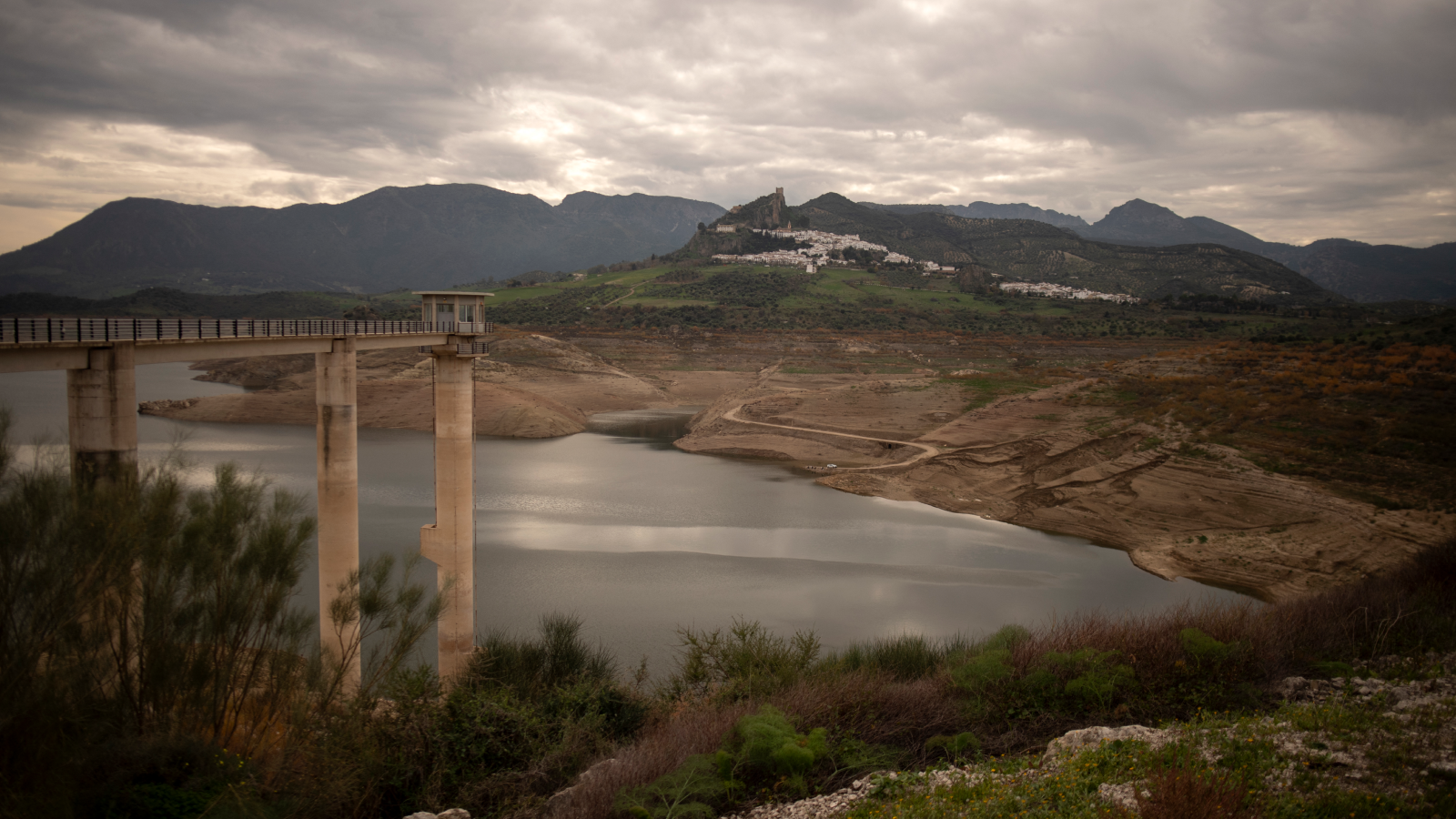
A modelling study projects that collapse of the Atlantic Meridional Overturning Circulation (AMOC) could substantially increase European drought risk for centuries: across Europe dry-season intensity rises 8% under an RCP4.5 scenario with AMOC intact but 28% if it collapses, with Sweden up 54%/72% and Spain 40%/60% in the respective cases. The authors ran eight 1,000-year simulations (pre-industrial, RCP4.5 with low/high freshwater forcing, and RCP8.5) and find AMOC collapse produces persistent drying and longer droughts, though critics note the collapse scenarios rely on large freshwater inputs that may be unrealistic. Implications are material for agriculture, water infrastructure, insurance and long-term sovereign/sectoral risk and should factor into climate-adjusted asset and policy planning.
Market structure: An AMOC-weakening scenario amplifies drought risk (study shows dry-season intensity +28% Europe-wide with collapse; Spain +60%, Sweden +72%), shifting demand from rain-fed agriculture to irrigation, desalination and drought-resistant inputs. Winners: desalination/water-infrastructure contractors, irrigation equipment, fertilizer/agritech and grain exporters; losers: Mediterranean agriculture, tourism-dependent regional economies, hydropower producers and local insurers. Cross-asset: expect commodity (wheat/olive) price upside, higher volatility in agricultural futures, widening peripheral EUR sovereign spreads and downside pressure on EUR vs USD as productivity and tax base compress in affected regions.
Risk assessment: Tail risk is low-probability but extreme – an AMOC collapse implies multi-century structural shifts and political stress that can re-price sovereign credit; probability is uncertain but non-zero given Greenland melt projections. Short-term (0–12 months) risks are transient weather shocks and droughts; medium (1–5y) risks include capex cycles for desal/irrigation and insurance repricing; long-term (>5y) includes migration, fiscal strain and persistent commodity shocks. Hidden dependencies: hydropower loss amplifies power-price spikes and increases fossil backup needs; insurance market contagion and cat-bond repricing are key second-order effects. Catalysts: fresh-water pulse events, IPCC/major climate agency alerts, consecutive poor harvest seasons and EU/UK policy responses (subsidies/mandates).
Trade implications: Tactical (0–12m): establish a modest asymmetric long in wheat via call spreads (see decisions) and buy short-dated protection on reinsurers/insurance underwriters; medium-term (12–36m): overweight water infrastructure and desalination names (listed utilities/engineering). Sector rotation: underweight Mediterranean-facing tourism/agri equities and peripheral sovereign duration; rotate into Northern European utilities with diversified generation and specialist capex contractors. Use FX and sovereign CDS as portfolio-level hedges if drought indicators or Greenland melt metrics accelerate.
Contrarian angles: The consensus risk of AMOC collapse is overstated in many press takes (models required large freshwater pulses), so large leveraged macro bets are premature; however markets are likely underpricing slowly compounding drought risk—insurers and southern EU sovereigns look asymmetrically exposed. Historical parallels (regional climate shocks like the Dust Bowl) show high regional dislocation with multi-year recovery; unlike those events, a sustained circulation change would be structural — so prefer idiosyncratic, scalable bets (commodities, infrastructure capex, targeted hedges) over broad macro leverage. Watch for policy-driven mispricings: rapid CAPEX subsidies for desal/irrigation could re-rate specific contractors faster than fundamentals justify.
AI-powered research, real-time alerts, and portfolio analytics for institutional investors.
Request DemoOverall Sentiment
moderately negative
Sentiment Score
-0.42
