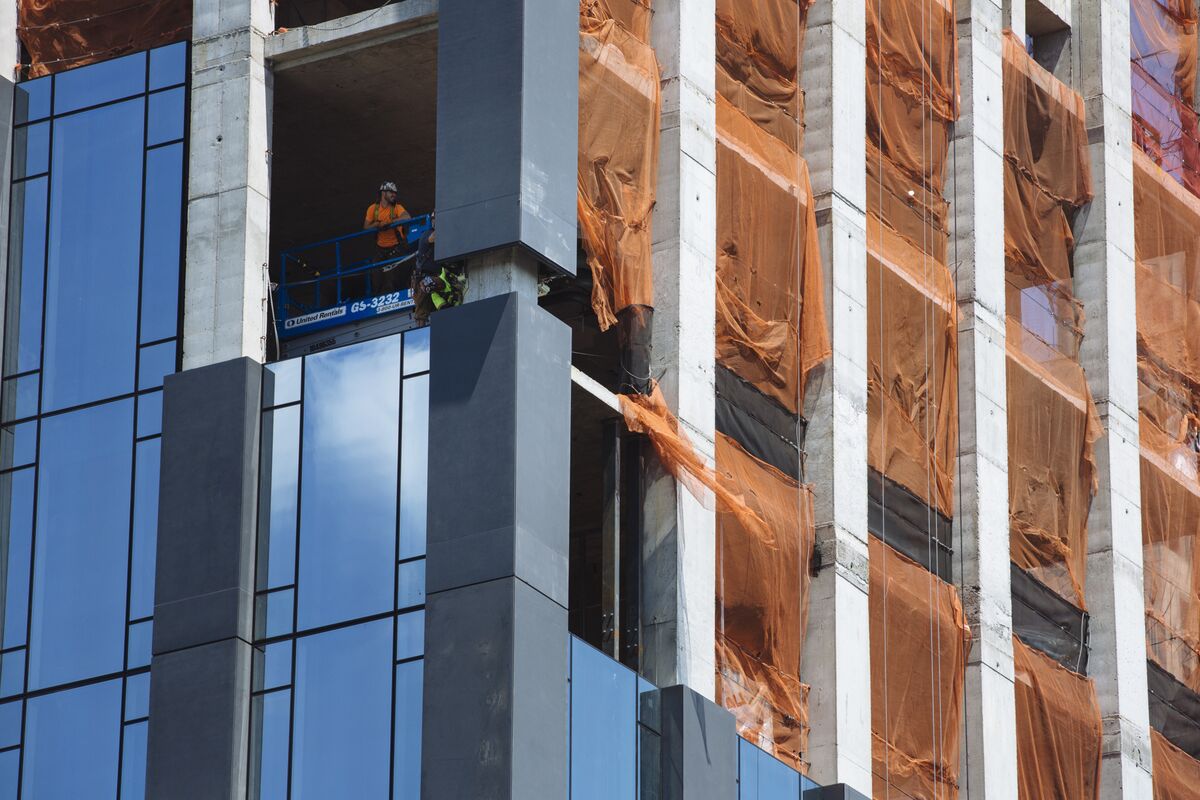
New York City real estate developers are increasingly constructing buildings with exactly 99 units, a strategic shift evidenced by 28 permits filed in the last four quarters—more than double the prior 16 years combined. This trend is driven by a new tax program, allowing developers to circumvent certain wage requirements and thereby impacting labor costs and construction strategies within the city's real estate market.
A significant trend has emerged in New York City's real estate development sector, characterized by a sharp increase in permit filings for buildings containing exactly 99 units. Data from the Real Estate Board of New York indicates 28 such permits were filed over the last four quarters, a figure more than double the cumulative total from the preceding 16 years. This strategic shift in construction planning is a direct and calculated response to a new tax program, which allows developers to circumvent specific wage requirements by staying below a 100-unit threshold. This behavior demonstrates how regulatory frameworks directly influence project economics and development feasibility, leading to an observable pattern of developers optimizing construction plans to manage labor costs.
AI-powered research, real-time alerts, and portfolio analytics for institutional investors.
Request DemoOverall Sentiment
neutral
Sentiment Score
0.00
