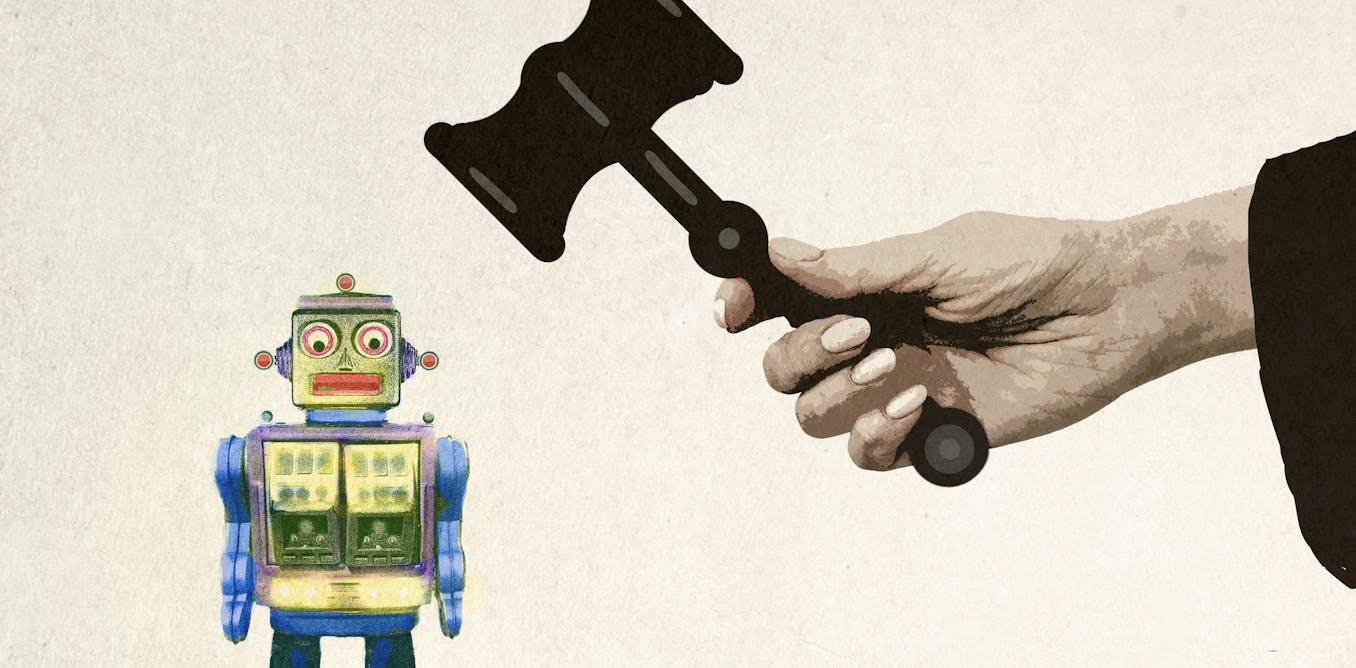
Recent legal challenges are fundamentally shifting liability for AI chatbot developers, eroding the Section 230 immunity traditionally afforded to internet platforms. Courts are increasingly treating chatbots as 'products' rather than passive content hosts, making companies like Google (Character.AI) and OpenAI (ChatGPT) potentially liable for harmful outputs, particularly in cases involving suicide advice. This development significantly raises litigation risk and defense costs for AI providers, likely prompting increased settlements and stricter content moderation, which could impact the functionality and utility of future AI products.
A significant legal paradigm shift is underway for generative AI developers, challenging the liability protections traditionally afforded by Section 230. Recent lawsuits, particularly those involving Google's Character.AI, are successfully arguing that chatbots should be treated as 'products' rather than passive conduits for third-party content. This legal reframing is gaining traction, evidenced by a Florida court's refusal to grant Google a quick dismissal in a case where a bot allegedly encouraged a user's suicide. This development moves the legal argument away from internet service immunity and toward a product liability framework, exposing companies like Alphabet (GOOGL) to substantially higher litigation risk and defense costs. While proving direct causation in suicide cases remains a high hurdle for plaintiffs, the erosion of immunity means tech platforms can no longer count on automatic case dismissals. This will likely lead to an increase in costly, out-of-court settlements and force providers to implement more restrictive content moderation, potentially making future AI products 'safer, but less dynamic and useful.'
AI-powered research, real-time alerts, and portfolio analytics for institutional investors.
Overall Sentiment
strongly negative
Sentiment Score
-0.70
Ticker Sentiment
