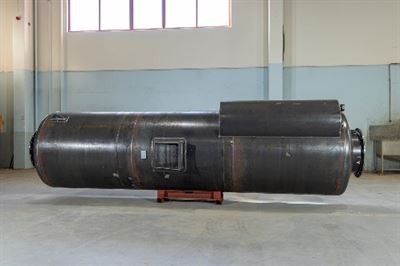
SSAB and JTK Power completed a pilot manufacturing the world’s first marine engine silencer made from approximately four tonnes of SSAB Zero™ low-emission steel, produced in an electric arc furnace from recycled feedstock and fossil-free energy. SSAB Zero™ cuts CO₂-equivalent emissions by up to 77% versus SSAB’s blast-furnace hot-rolled steel and lowered the silencer’s emissions by nearly half versus a traditional unit; the product used 4 mm weathering steel sheets and will enter service in spring 2026. SSAB plans domestic production after completing an Oxelösund electric arc furnace by end-2026, while JTK aims to halve its own emissions by 2030 and targets a ~20% reduction in scope 3 emissions—commercial upside hinges on customer willingness to pay for decarbonized steel and potential lower port charges for cleaner vessels.
Market structure: The SSAB–JTK pilot crystallizes a pay-for-decarbonization dynamic: winners are EAF-focused steel producers (SSAB once Oxelösund EAF online, Nucor, Steel Dynamics), scrap recyclers and niche marine OEMs that can charge a 10–30% ‘green premium’; losers are blast-furnace/ore-exposed suppliers and some iron-ore miners if EAF share grows materially. In the near term (to end-2026) constrained EAF capacity implies localized pricing power for decarbonized sheet, supporting narrow premiums and higher scrap demand until new EAFs ramp.
Risk assessment: Tail risks include project delays (Oxelösund slip past end-2026), slower customer uptake where premium >10% leading to stranded ‘green’ inventory, or scrap shortages driving input cost spikes; probability medium but impact high (±20–40% EBITDA swings for small steelmakers). Immediate market moves are likely muted; watch quarterly Oxelösund milestones (monthly construction updates) and IMO/port carbon pricing decisions over 6–24 months as primary catalysts.
Trade implications: Tactical plays favor EAF exposure: small tactical longs in SSAB B (SSABB.ST) or US proxy NUE (2–3% portfolio each) into 12–24 month catalysts, funded by trimming ore-heavy miners (RIO/BHP) by 1–2%. Implement a relative pair: long NUE vs short CLF (1:1) to capture EAF secular upside vs integrated BF risk. Use 12–18 month call spreads if premium-sensitive and set profit target +30% or re-evaluate at Oxelösund commissioning.
Contrarian angles: Consensus understates scrap tightness and cascade effects—rising scrap prices could negate margin advantage for EAFs, compressing the green premium; conversely regulatory procurement mandates (if implemented) would be underpriced by markets today. Historical parallels: transition premiums (e.g., low-carbon aluminum) initially stuck at niche pricing for ~3–5 years before scale; expect uneven adoption and idiosyncratic winners.
AI-powered research, real-time alerts, and portfolio analytics for institutional investors.
Request DemoOverall Sentiment
mildly positive
Sentiment Score
0.35
