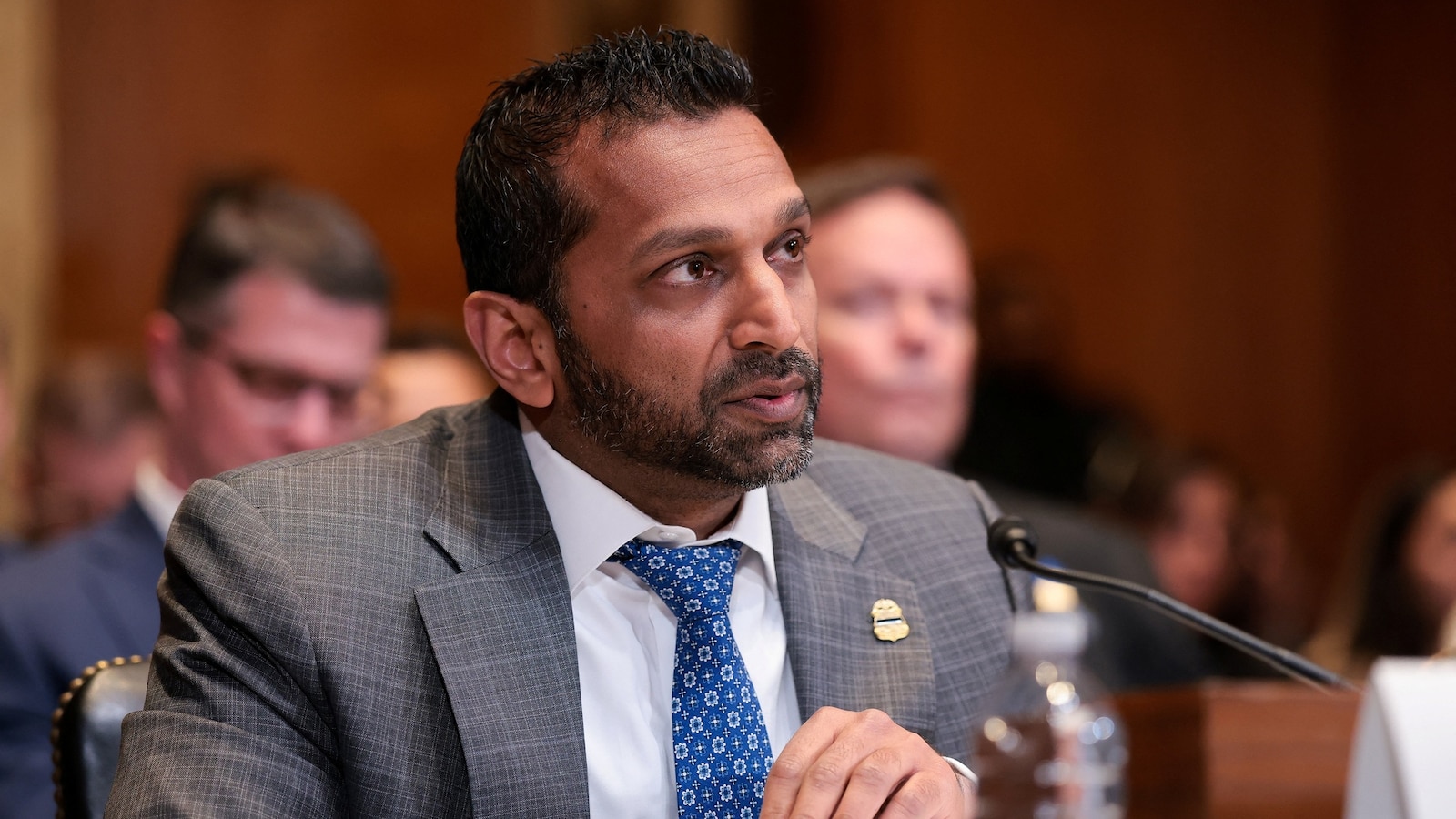
FBI Director Kash Patel faced sharp questioning at a Senate budget hearing over allegations of misconduct, misuse of resources, and an Atlantic report alleging excessive drinking; Patel denied being intoxicated on the job and called the story a "total farce." The hearing also touched on disputed FBI activity tied to election probes in Michigan, Arizona, and Georgia, along with Patel's travel to Italy and other high-profile cases. The article is mainly political and oversight-focused, with limited direct market impact beyond the DOJ/FBI 2027 budget request context.
This is less about one official’s behavior and more about the market price of institutional drift at DOJ/FBI. The immediate equity read-through is small, but the second-order effect is a higher probability of operational inefficiency: budget friction, staff attrition, and slower execution on cyber, white-collar, and domestic security cases. That matters most for contractors and vendors whose backlog growth depends on a functioning federal pipeline rather than headline appropriations.
The bigger catalyst is political, not legal. If oversight hearings keep shifting from policy to personal conduct, agencies spend time defending management credibility instead of advancing budget requests, which raises the odds of delayed appropriations or more restrictive language in funding bills over the next 1-2 quarters. That creates a subtle headwind for defense-adjacent services and data/compliance providers tied to federal procurement, while benefiting firms positioned for state-level or private-sector compliance demand if federal enforcement becomes less predictable.
The contrarian view is that this noise may actually reduce near-term policy risk: a director under fire often becomes more cautious on discretionary actions, which could lower the probability of surprise enforcement escalation in election, telecom, or platform cases. If that happens, the market may be overpricing a broad-based regulatory clampdown. The cleanest trade is not to fade broad indices, but to selectively lean into beneficiaries of reduced federal aggression and short names with the highest DOJ sensitivity.
Watch the timeline: the next 30-60 days matter for reputational damage, while the budget process and any personnel review would matter over 3-6 months. A single clean rebuttal or politically successful hearing could reverse the negative sentiment quickly; absent that, the drag is incremental, not explosive.
AI-powered research, real-time alerts, and portfolio analytics for institutional investors.
Request DemoOverall Sentiment
neutral
Sentiment Score
-0.05
