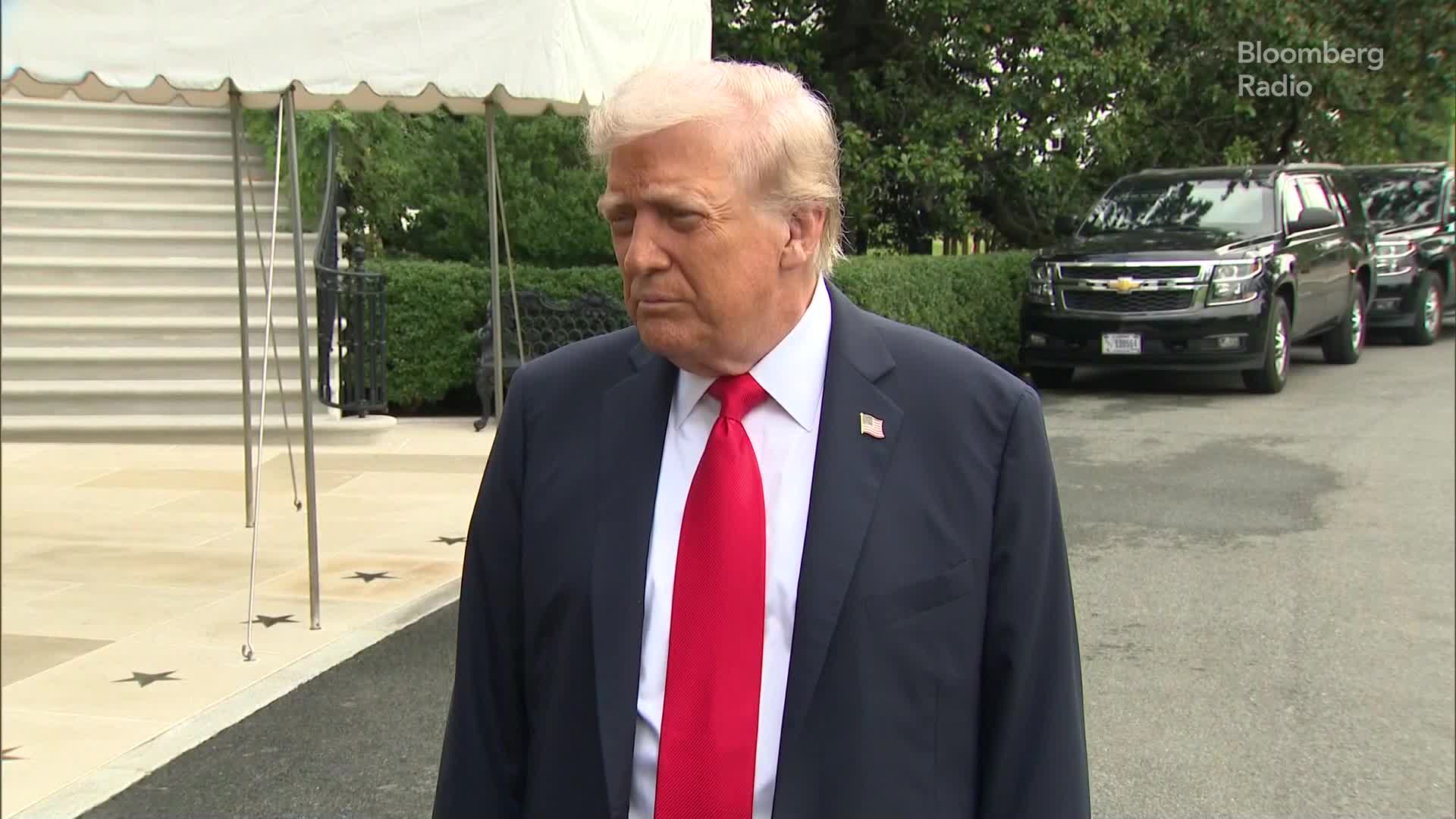
US President Donald Trump signaled openness to trade concessions with the UK, aiming to refine their existing trade deal and ease its implementation, particularly regarding additional relief like steel tariffs. This indicates a potential flexibility in US trade policy towards Britain, seeking to address key sticking points and strengthen the bilateral economic relationship.
U.S. President Donald Trump has signaled a willingness to grant further trade concessions to the United Kingdom, indicating potential flexibility in refining an existing bilateral trade agreement. While an initial deal provided the UK with exemptions from some broad-based U.S. tariffs, it lacked specifics and left key issues, notably steel tariffs, as a significant point of contention. The President's comments about being open to refining the deal and 'helping them' suggest a constructive path to resolving these outstanding details. This development, assessed with a mildly positive sentiment, points toward a potential de-escalation of trade friction between the two nations. However, the moderate market impact score suggests that investors view this as an incremental step, with the ultimate outcome dependent on the final, negotiated terms of the refined agreement, particularly concerning the economically sensitive steel sector.
AI-powered research, real-time alerts, and portfolio analytics for institutional investors.
Request DemoOverall Sentiment
mildly positive
Sentiment Score
0.30
