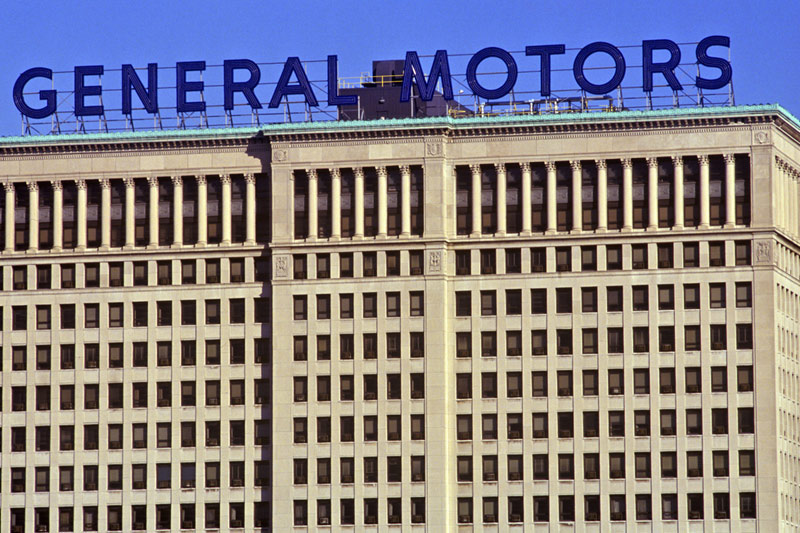
Five analyst actions this week: Northland downgraded Super Micro Computer to Market Perform with a $22 PT citing governance risks; BofA initiated Nebius Group at Buy with a $150 PT, citing a $419B AI infra TAM by 2028; Wolfe upgraded General Motors to Outperform with a $96 PT (Wolfe models EPS rising from $12.37 to $16.03); Needham upgraded Arm to Buy with a $200 PT on AI-driven royalty/margin upside; Evercore downgraded Upstream Bio to Il-line with a $15 PT due to near-term clinical and financing uncertainty. Overall signal is mixed—positive conviction on AI/semiconductor and GM catalysts, offset by governance and biotech trial risks; likely to move individual stocks modestly rather than shift markets.
Nebius (NBIS) is the highest-conviction structural beneficiary of the AI compute re-architecture, but the real second-order winner is whoever owns the constrained inputs—high-voltage transformers, substation upgrades and colo real estate adjacent to low-cost power. If NBIS can scale customers that move GPU-hours off hyperscaler balance sheets, it will convert capex cycles into sticky opex and widen gross margins; the constraint to watch is local power availability and utility interconnection lead times (6–24 months) that can bottleneck growth despite signed demand.
SMCI’s governance noise is not just headline risk; it mechanically raises customer negotiation leverage and increases contract friction for OEMs and channel partners, which historically drives booking deferrals and step-downs in backlog conversion rates by 20–30% quarter-over-quarter during remediation periods. UPB’s profile creates a classic biotech financing cliff: absent a clear 6–12 month catalyst, dilution risk and trial re-dosing contingencies make near-term upside highly binary and likely muted until data clarity or committed financing appears.
GM and ARM are multi-year structural stories layered on near-term timing risks. GM benefits if commodity pass-throughs and warranty normalization materialize by 2027, but raw-material shocks in 2025–26 could erase realized gains; ARM’s architecture repositioning increases long-term TAM capture, yet faces RISC-V and OEM licensing pushback that can compress adopted royalty curves if adoption accelerates without meaningful contractual leverage. Trade framing should therefore be asymmetric: long durable optionality where power/grid or regulatory barriers create moat, hedge concentrated governance/financing binaries with time-limited protection.
AI-powered research, real-time alerts, and portfolio analytics for institutional investors.
Request DemoOverall Sentiment
mixed
Sentiment Score
0.05
Ticker Sentiment
