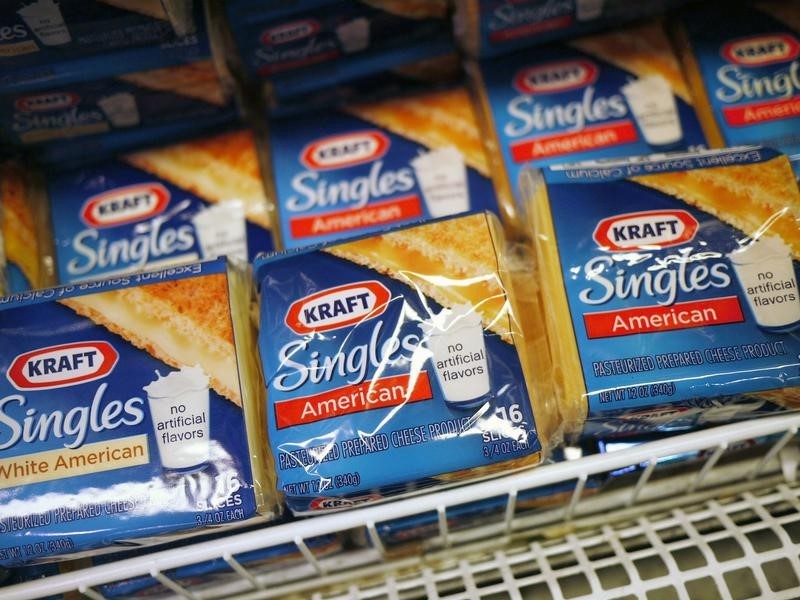
Piper Sandler cut Kraft Heinz's price target to $24 from $26 while keeping a Neutral rating; the stock trades at $21.37, near its 52-week low of $21.51 and has fallen ~22% over the past year. Piper maintained 2026 EPS of $2.09 and priced the new target at ~11x 2027 EPS (down from ~12x), citing a multi-quarter turnaround as the reason for the lower target; JPMorgan downgraded the stock to Underweight. Q4 2025 adjusted EPS beat at $0.67 vs $0.61 consensus, but revenue missed $6.35B vs $6.38B expected; management is increasing brand investment, planning price cuts from Q2 2026, and the stock yields 7.4%.
Kraft Heinz’s pivot to heavier brand investment and simultaneous price cuts creates a classic margin-versus-share trade that will play out over 6–18 months. Execution risk is front-loaded: marketing needs to prove elasticities within a single fiscal year or the company will face margin pressure and multiple compression as investors recalibrate growth assumptions.
A policy-driven demand shock at the lower end of the consumer pyramid (work requirements) acts as a structural headwind to volumes in certain categories and will amplify any weakness from promotional activity — expect SKU-level share shifts toward private label and dollar/bulk formats, not an across-the-board recovery. Retail customers will push for trade funding or slotting concessions to normalize margins, so working-capital and promotional flows (trade spend timing) are a near-term lever to watch.
The aborted strategic transactions and senior hires increase optionality but reduce near-term corporate-catalyst visibility; this keeps the valuation tethered to visible free cash and income yield rather than a re-rating story until there is consistent top-line evidence. For credit-sensitive investors, the dividend and buyback posture limits balance sheet flexibility for an aggressive turnaround, so governance/activist scenarios remain a plausible upside but low-probability catalyst within 12–24 months.
Market consensus is pricing high execution failure risk; that may be appropriate, but it also opens a tactical pair opportunity where execution missteps can be exploited while avoiding sector beta by pairing with a higher-quality CPG name that benefits from trade flow reallocation over the same horizon.
AI-powered research, real-time alerts, and portfolio analytics for institutional investors.
Request DemoOverall Sentiment
mildly negative
Sentiment Score
-0.15
Ticker Sentiment
