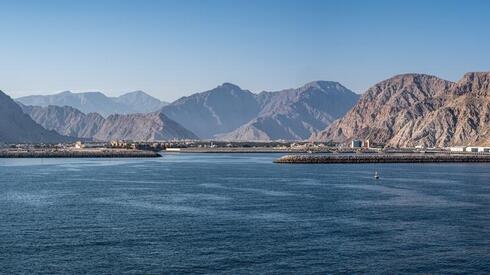
About 20% of the world’s daily oil and ~20% of global LNG pass through the Strait of Hormuz; since late February Iran has effectively imposed a blockade that has sharply curtailed flows, reduced shipping volumes and lifted insurance costs. The disruption is already contributing to higher energy prices and poses knock-on risks to fertilizer shipments (critical for global agriculture), supply chains and industrial production, creating material downside risk to growth and inflation dynamics if prolonged.
Markets are already pricing a near-term risk premium into maritime energy and bulk-commodities logistics; the immediate transmission mechanism is higher voyage costs (longer sailings + war-risk premiums) that lift delivered fuel and fertilizer costs by a discrete band rather than a steady grind. Expect acute oil and LNG price spikes measured in days–weeks when incidents occur, but the larger economic effect comes from sustained insurance and rerouting premiums that persist for months and compress throughput capacity.
Fertilizer is the overlooked vector: constrained shipments raise input costs for the next planting window, creating a 3–9 month lag between port disruptions and observable crop yield/price impacts; food processors and commodity hedgers will face margin shocks even if crude settles back. This amplifies inflationary pressure in food staples and creates non-linear demand for storage and backwardation trades in agrichemicals and grains.
Winners will be owners of modern, fuel-efficient tanker fleets and specialist insurers able to price and underwrite high-risk voyages; losers include container carriers, short-cycle refiners dependent on tight feedstock access, and airlines/road haulage with fixed fuel contracts. A prolonged control of the corridor (months) materially favors state-backed alternatives (pipelines, strategic stock draws) and defense contractors as governments fund naval escorts and insurance guarantees.
Key catalysts to watch: escalation events that close the corridor (days), coordinated international naval escorts or diplomatic corridor deals (weeks), and SPR/strategic release or alternative pipeline commissioning (months). Reversals can be fast—naval intervention or an Iran-de-escalation deal can remove the premium within 30–90 days—so trades should size for volatility and a binary outcome.
AI-powered research, real-time alerts, and portfolio analytics for institutional investors.
Request DemoOverall Sentiment
moderately negative
Sentiment Score
-0.60
