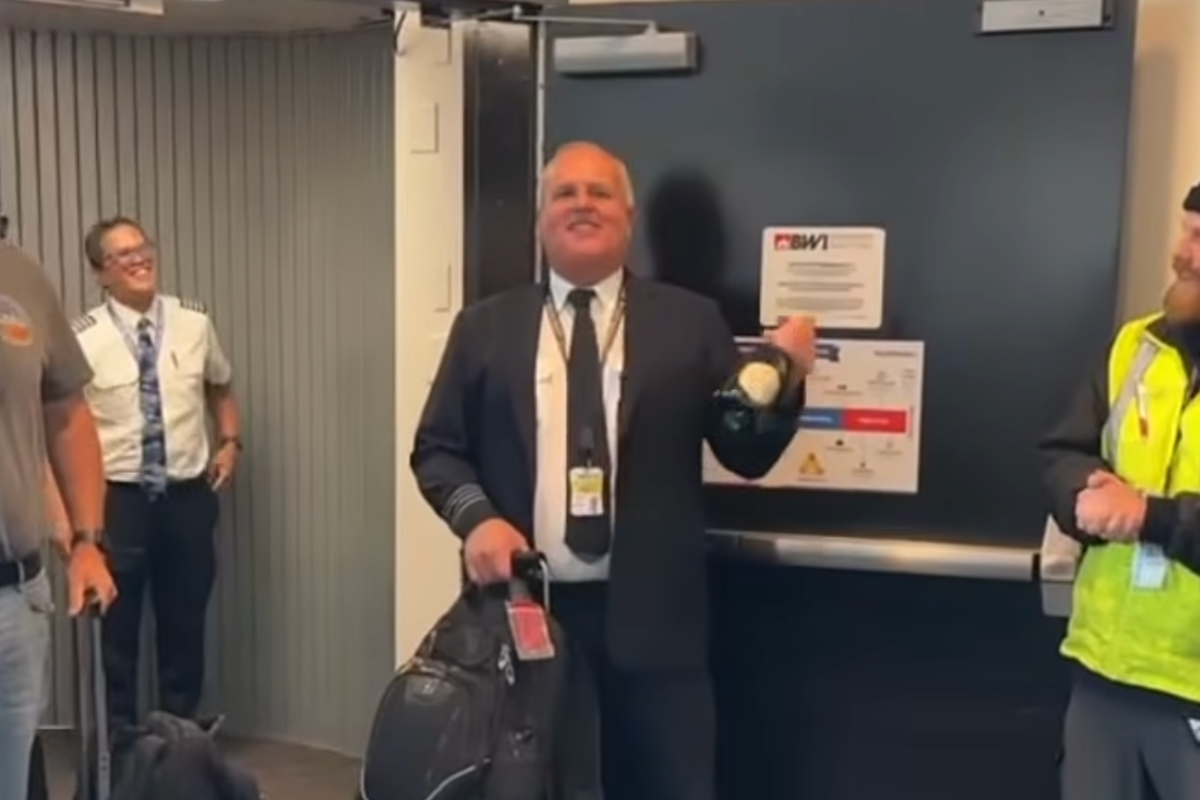
Spirit Airlines ceased operations immediately after rescue talks with the Trump administration failed, ending a 34-year run and triggering canceled flights, refunds only, and no alternative booking support. The airline said it had about 17,000 employees and was still burdened by $8.1 billion in debt against $8.6 billion in assets in August 2025, following a second bankruptcy filing and more than $2.5 billion in losses since early 2020. Southwest’s gesture for retiring Spirit captain Jon Jackson provided a human-interest moment, but the core news is a full shutdown with meaningful implications for passengers, employees, and creditors.
Spirit’s shutdown is less about one airline and more about an abrupt capacity vacuum in the most price-sensitive slice of U.S. domestic travel. The first-order winner is Southwest, but the bigger second-order effect is on fare discipline: when an ultra-low-cost carrier exits, legacy carriers can quietly lift base fares and reduce promotional inventory without looking coordinated. That tends to show up first on short-haul leisure routes and family travel itineraries, where Spirit had been the marginal price setter. For LUV, the near-term setup is constructive because it can harvest both displaced passengers and improved pricing power, but the market will eventually ask whether it can absorb the volume without diluting unit revenues. If Southwest uses the vacuum to backfill with capacity rather than simply raising fares, the benefit leaks into higher fuel and labor costs with less margin expansion than the headline suggests. The best read-through is not a straight earnings pop; it is a step-function improvement in competitive rationality across the industry over the next 1-3 quarters. The political angle matters because this is a visible failure of a rescue effort and increases the odds of more ad hoc consumer-friendly interventions in future airline distress cases. That lowers the probability of a clean bailout premium for distressed carriers and raises restructuring risk for other high-leverage travel names. The contrarian view: the market may overestimate how much benefit LUV captures, because airline capacity is fungible and aggressive fare discounting from peers could quickly neutralize yield gains. From a timing perspective, the immediate catalyst is booking displacement over the next few weeks; the medium-term catalyst is Q1/Q2 revenue per available seat mile trends. If fuel stays elevated, the upside to Southwest is capped by cost pressure, but the exit still improves industry supply-demand by removing a chronic undercutting competitor.
AI-powered research, real-time alerts, and portfolio analytics for institutional investors.
Request a DemoOverall Sentiment
strongly negative
Sentiment Score
-0.80
Ticker Sentiment
