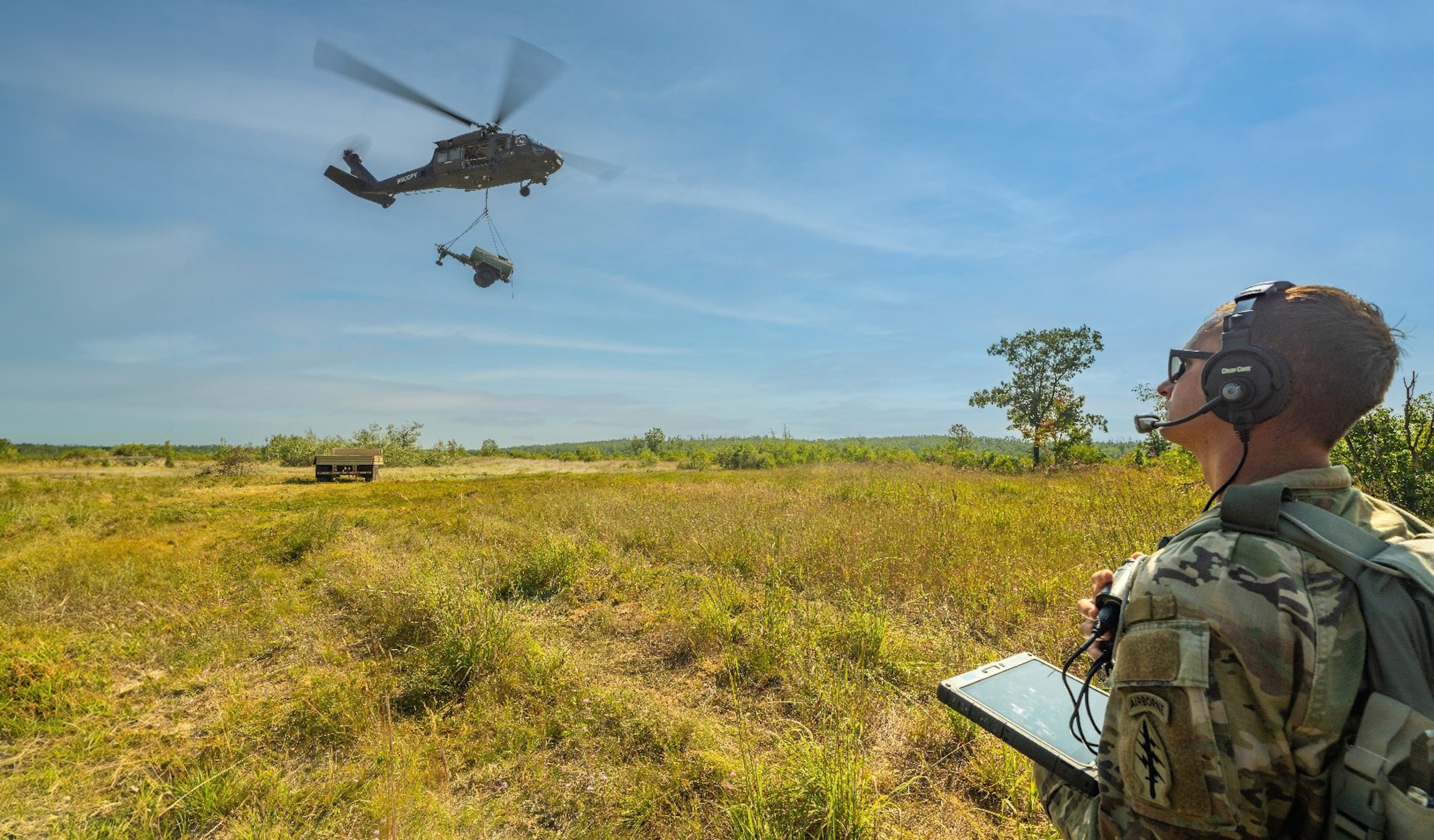
Russia launched its largest nuclear exercises in years, mobilizing nearly 65,000 troops, 200+ missile launchers, 140 aircraft, 73 surface vessels, and 13 submarines, including eight strategic nuclear submarines. The drills, coordinated with Belarus and timed alongside Putin's trip to Beijing, are framed by Western analysts as pressure on NATO and Ukraine rather than purely operational readiness. The escalation raises geopolitical risk and could influence defense sentiment and European risk assets, though direct market impact is likely concentrated in defense and regional assets.
The market-relevant signal is not the exercise itself but the sequencing: Moscow is trying to create a credible near-term escalation envelope precisely when NATO is debating force posture, air defense replenishment, and long-range strike permissions. That typically widens the risk premium on European defense procurement, especially for missile defense, ISR, EW, and munitions suppliers, because the first budget response to nuclear signaling is usually not strategic deterrence spending but faster procurement of consumables and air-defense depth.
Second-order, Belarus is the more material operational variable. Any perception that the northern axis is being activated can force Ukraine to keep reserves pinned away from the main summer front, which improves Russian odds of a localized breakthrough without requiring a major battlefield innovation. If that happens, the tradable impact may show up first in European natural-gas and power volatility, Baltic/Nordic security spending, and in longer-dated defense names with exposure to short-cycle orders rather than platform primes with already-full books.
The contrarian read is that repeated nuclear signaling is losing marginal deterrent value. If Western officials discount the drill as theater, the Kremlin may have burned a piece of signaling credibility while still not improving battlefield leverage. That creates a two-sided setup: near term, headline risk can still force defense multiples higher; over 1-3 months, if no concrete escalation follows, the premium can bleed out quickly as investors stop paying up for “tail-risk” defense optionality.
The higher-probability catalyst chain is not direct NATO-Russia conflict but a tighter policy response on air defense, sanctions enforcement, and military aid sequencing over the next 2-8 weeks. That favors companies with exposure to interceptors, drones, satellite comms, and logistics enablement more than traditional heavy land systems. The key tail risk is a misread by either side; if a tactical incident occurs near the Belarus-Ukraine axis, the market would gap into a full risk-off tape within hours rather than days.
AI-powered research, real-time alerts, and portfolio analytics for institutional investors.
Request DemoOverall Sentiment
moderately negative
Sentiment Score
-0.35
