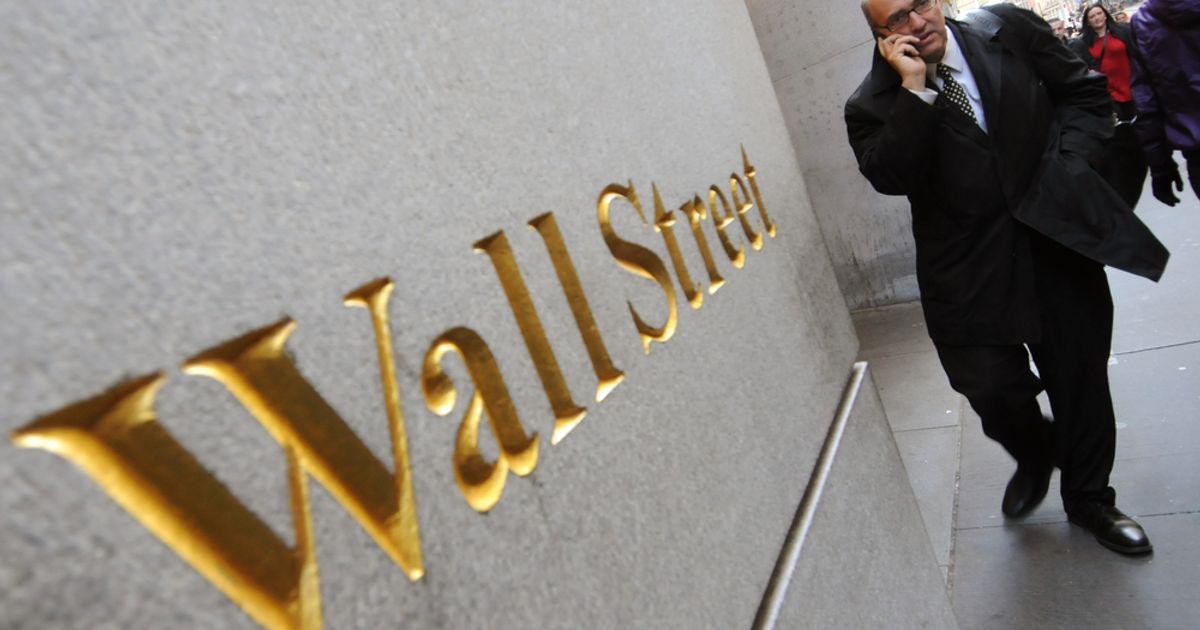
US equities rallied into the Thanksgiving-shortened week as dovish Fed signals and strong tech news drove a risk-on move: the Nasdaq was up roughly 2.6% midday (S&P +1.6%, Dow +0.6%) while markets priced about a 75% chance of a 25bp December cut. Alphabet jumped ~8.5% toward a 52-week high after securing a multi‑million NATO cloud/AI contract and renewed investor enthusiasm around its Gemini model; Alibaba’s new Qwen chatbot exceeded 10 million downloads in a week. Macro-wise, delayed government economic releases (inflation, retail sales, GDP) leave the outlook uncertain, and stock-specific shocks included Novo Nordisk sliding ~9% after its semaglutide failed the primary endpoint in Alzheimer’s trials and Teck Resources gaining amid M&A developments clearing the path for a planned $70bn merger.
Market structure: AI/cloud tailwinds concentrate upside in large-cap cloud/AI incumbents (GOOG/GOOGL) and select infra suppliers (DELL, HPQ, ADI) as demand for enterprise AI and NATO-grade cloud capacity raises pricing power for vetted vendors; expect 6–12 month revenue re-acceleration for top cloud players and 5–10% multiple expansion if Fed easing materializes. Commodity/metal names tied to M&A (TECK) gain idiosyncratic upside while late-stage biotech (NVO) faces binary downside and renewed risk-premium; equity flows will likely rotate away from cyclical defensives into tech on any dovish surprise.
Risk assessment: tail risks include regulatory scrutiny of defense/AI contracts and antitrust probes that can truncate revenue visibility, a sticky inflation print that kills the market's ~75% cut odds, and further biotech clinical failures cascading through sector sentiment. Near-term (days–weeks) volatility will cluster around delayed macro releases; short-term (1–3 months) re-rating depends on December Fed clarity; long-term (12–36 months) thesis hinges on structural capex for data centers and semiconductor supply constraints.
Trade implications: prioritize concentrated, hedged exposure to GOOG/GOOGL (6–12 month horizon) and event-driven longs in TECK around M&A milestones, while avoiding unhedged long biotech and using puts to express downside in NVO. Use defined-risk options to express conviction—call spreads on GOOG to limit premium bleed and put spreads on NVO to cap cost—while keeping total tech overweight vs. cyclical underweight by 200–400 bps.
Contrarian angles: consensus underprices the probability that a failure to cut in December triggers a 7–10% tech drawdown; GOOG’s pop could be momentum-fueled and vulnerable to mean-reversion of 5–12% if guidance misses. Conversely, NVO’s drop may overshoot fundamentals if non-primary endpoints remain viable; look for dispersion opportunities across biotech names and short crowded AI momentum after any 10%+ vertical momo spikes.
AI-powered research, real-time alerts, and portfolio analytics for institutional investors.
Request DemoOverall Sentiment
moderately positive
Sentiment Score
0.55
Ticker Sentiment
