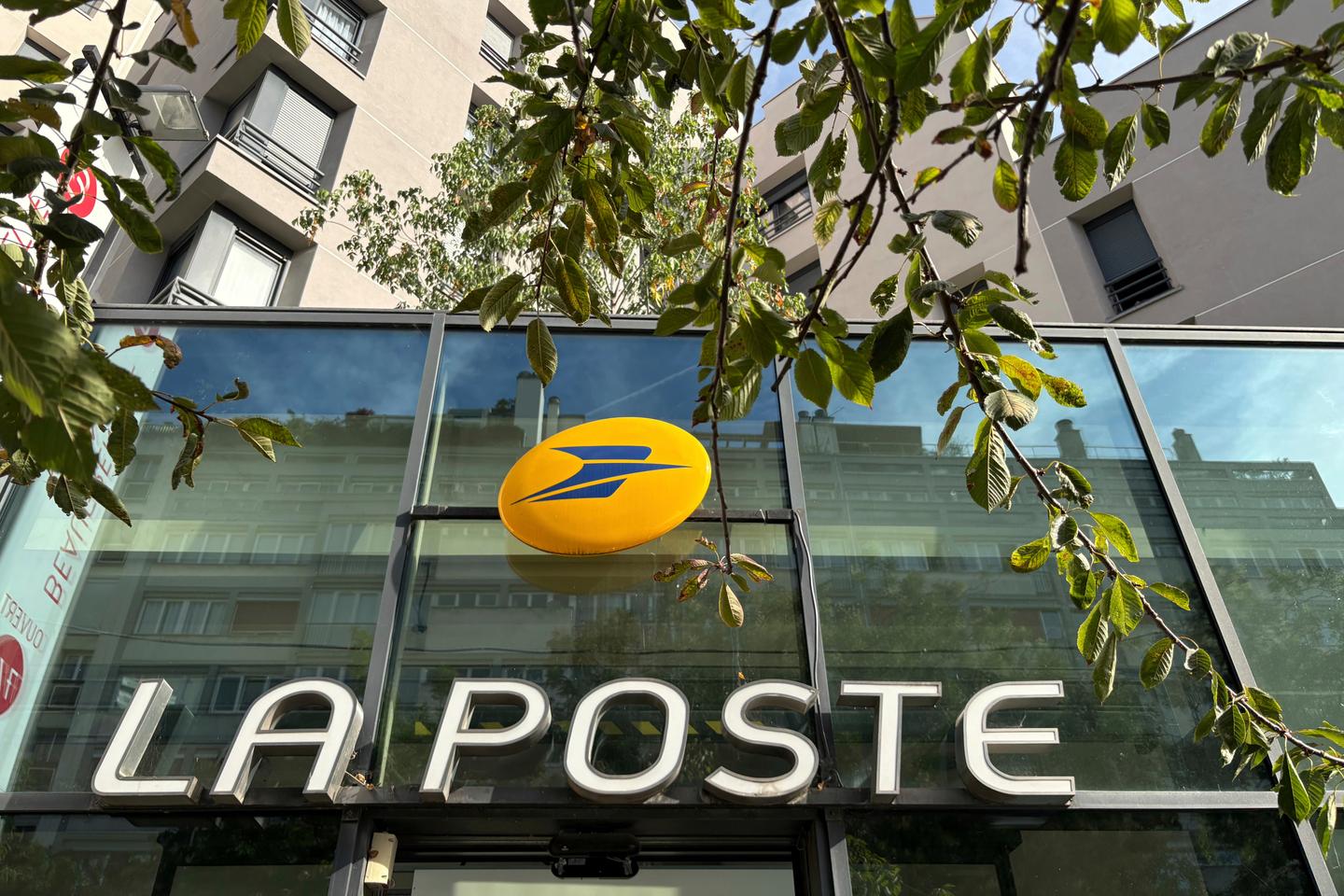
A suspected DDoS cyberattack on Dec. 22 knocked France's La Poste and its banking arm La Banque Postale offline for more than eight hours, disrupting package deliveries during the holiday peak and preventing app-based payment approvals (the bank rerouted approvals via SMS). La Poste, which handles roughly 2.6 billion packages annually and employs over 200,000 people, said customer data were unaffected but operations were impeded; the incident follows other recent French government cyber intrusions and allegations of state-linked hybrid attacks. The event raises short-term operational and reputational risk for the postal group and its bank, potential regulatory scrutiny, and highlights contagion risk across logistics and payments infrastructure in Europe.
Market structure: Acute operational hits to incumbents (national posts, regional carriers) create a short-term winner: cybersecurity vendors and MSSPs. Expect near-term procurement cycles to prioritize cloud-native EDR, SIEM/SOAR and DDoS mitigation — vendors with demonstrated EU presence and SOC services (eg. CRWD, PANW, ZS) should see order flow increase 10–30% over 3–12 months, pressuring smaller legacy players. Logistics peers (DPW.DE, PNL.AS) take immediate reputational/service risk and could see 3–8% revenue timing variance during Q4 peaks.
Risk assessment: Tail risks include a coordinated payments outage that triggers regional deposit flight (>1% outflows within 7 days would force emergency liquidity actions) or a state-attribution that brings sanctions and procurement bans for implicated vendors. Short-term (days) operational disruption; medium (weeks–months) reputational/regulatory impact with potential fines under NIS2/GDPR frameworks (up to 2–4% revenue equivalent); long-term (quarters–years) structural uplift to cyber capex and insurance premiums. Hidden dependency: legacy authentication flows (SMS approvals) are single-point failures; change induces fraud/cost transfer to banks.
Trade implications: Tactical: establish small, sized exposures to cybersecurity while hedging valuation risk. Use 3–6 month call spreads on PANW and CRWD to capture order upside while limiting premium; opportunistic short or protective put buys on European postal operators (DPW.DE) for 1–6 week windows around holiday/earnings risk. Pair trade: long PANW (or HACK ETF) vs short DPW.DE to express cyber spend reallocation. Allocate 1–3% AUM per theme, tighten sizing if implied vol exceeds realized by 25%.
Contrarian: Consensus underestimates second-order losses to banks and insurers from SMS fallback and fraud — beneficiaries of cyber spend may be MSSPs and insurers adjusting pricing, not just software vendors. Market may overpay pure cloud-native names already up >20% YTD; prefer diversified ETF exposure (HACK) plus disciplined options entry. Historical parallel: NotPetya/Maersk showed a sharp capex surge for security but also intense vendor consolidation — expect M&A opportunities in 12–24 months.
AI-powered research, real-time alerts, and portfolio analytics for institutional investors.
Request DemoOverall Sentiment
moderately negative
Sentiment Score
-0.45
