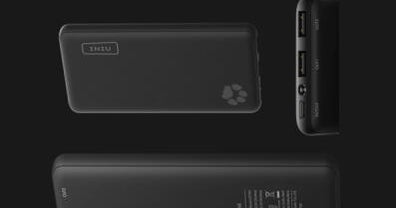
The Consumer Product Safety Commission and INIU recalled about 210,000 INIU 100,000mAh BI-B41 power banks sold on Amazon between August 2021 and April 2022 due to overheating and ignition risks; the recall is limited to units with serial numbers 000G21, 000H21, 000I21 and 000L21. INIU reported at least 15 overheating incidents, including 11 fires that caused minor burn injuries and property damage; consumers are instructed to stop use, register for full refunds on the company's recall page, and follow municipal HHW guidance for safe disposal, creating reputational and remediation exposure for the seller but limited broader market implications.
Market structure: This recall is a localized shock to third‑party, low‑cost lithium‑ion consumer products sold on Amazon (AMZN) that benefits established branded accessory makers (e.g., ZAGG) and retailers with stricter QA. Near term pricing power shifts away from unvetted private‑label sellers as marketplaces and insurers tighten onboarding — expect a 1–3% reduction in small third‑party listings over 3–6 months and margin pressure for those sellers. Cross‑asset: expect transient rise in AMZN equity implied volatility (IV) and a <5bp move in AMZN IG bond spreads; commodities/FX unaffected.
Risk assessment: Tail risks include a cascading recall or a concentrated class‑action that forces platform liability reforms; worst‑case regulatory uplift could raise marketplace compliance costs by 50–150 bps of gross margin over 12–24 months. Timeline: immediate (days) — PR hit and headline volatility; short (weeks–months) — seller delisting, insurer repricing, modest legal accruals; long (quarters–years) — structural vetting, tech spend on safety and potential shift to safer chemistries. Hidden dependencies: Amazon’s reliance on third‑party verification and fulfillment creates contagion if Fulfillment‑by‑Amazon throughput is constrained.
Trade implications: Tactical hedges on AMZN via 30–45 day put spreads given low probability but headline sensitivity; selective longs in branded accessory makers (ZAGG) and insurance carriers with product liability exposure (small sized) as mean reversion plays. Pair trade: long ZAGG vs short AMZN marketplace exposure for 1–3 months to capture re‑rating of branded sellers; size conservatively (0.5–2% portfolio). Entry: execute within 7–30 days; exit on 3–10% realized move or material regulatory news within 60 days.
Contrarian angles: Consensus underweights the structural benefit to large, vetted sellers and to Amazon’s first‑party/FBA revenue — tighter rules raise barriers to entry and could increase AMZN take‑rate medium term. The recall is limited (≈210k units, specific serials), so market overreaction would create a buying opportunity: consider buying AMZN on a >3% sustained drop within 3 trading days. Historical parallel: 2015 hoverboard recalls tightened safety standards but consolidated share to larger brands and platforms over 12–36 months.
AI-powered research, real-time alerts, and portfolio analytics for institutional investors.
Request DemoOverall Sentiment
mildly negative
Sentiment Score
-0.25
Ticker Sentiment
