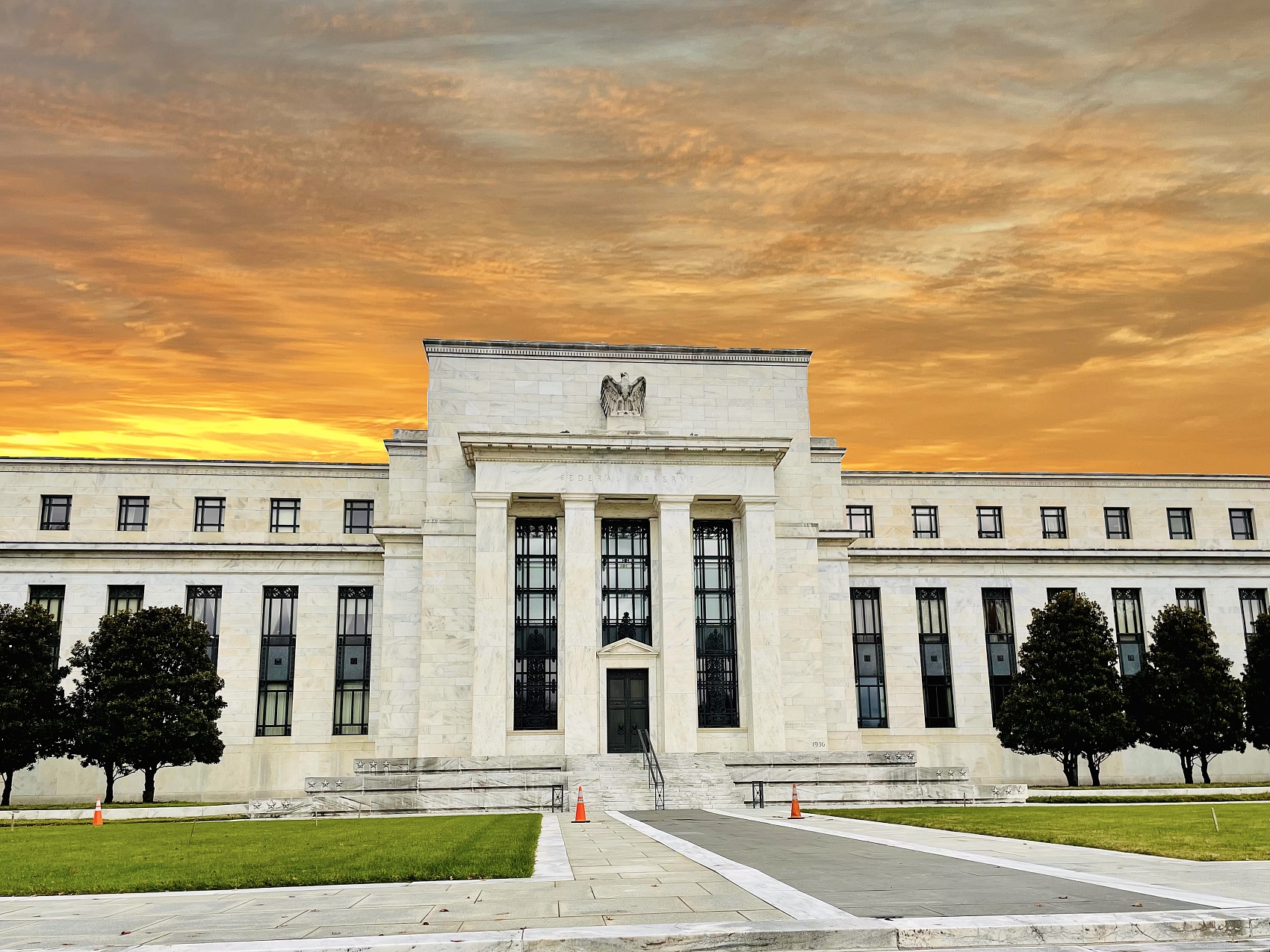
The New York Fed's Standing Repo Facility saw record usage of $74.6 billion on the last trading day of 2025 (collateral: $31.5bn Treasuries, $43.1bn MBS), while the overnight reverse repo absorbed $106bn, reflecting year-end balance-sheet management rather than systemic stress. Short-term rates moved higher recently (SOFR hit ~3.77% then 3.71%), and a general collateral repo rate near 3.9% made borrowing from the SRF (3.75%) cheaper for banks; the Fed has paused balance-sheet runoff, raised the SRF cap and signaled support for large-scale SRF use. Market participants expect the spike to ease as trading normalizes; risk assets including Bitcoin have shown muted reaction, and FOMC minutes pushed median expectations for the next rate cut to at least March 2026.
Market structure: The SRF spike ($74.6bn) and $106bn reverse repo show acute, predictable year-end demand rather than insolvency — winners are cash-rich, short-duration safe assets (T-bills, SOFR-linked products) and banks with Fed access; losers are institutions reliant on wholesale tri-party funding where GC repo (~3.9%) > SRF (3.75%). The Fed’s resumption of short-term Treasury purchases and higher SRF cap shifts pricing power toward central-bank-backed liquidity and compresses repo-risk premia versus private lenders; tri-party volume (> $1.3tn/day) means this is large in nominal terms but small structurally.
Risk assessment: Immediate tail risks include a sustained spike in SRF usage >$100bn for multiple days or GC repo >4.25%, which would signal broader funding stress and force emergency liquidity operations. Over weeks–months, bets hinge on inflation trajectory and the pushed-out path for rate cuts (markets now price cuts not before Mar 2026); hidden dependencies include broker-dealer balance sheets, collateral mismatches (MBS vs Treasuries), and regulatory quarter-end behavior that can reoccur each quarter.
Trade implications: Expect continued demand for ultra-short Treasuries and SOFR-linked floaters; long-duration Treasuries remain vulnerable if the Fed holds rates and balance-sheet expansion is modest. Cross-asset, subdued risk appetite keeps crypto range-bound until clear Fed easing; equity winners are banks with stable deposits (JPM, BAC) and money-market product providers; volatility products (short-dated rate options) should reflect occasional quarter-end spikes.
Contrarian angles: Consensus treats this as seasonal — but a repeated pattern of increasing SRF reliance (trend north of $50bn quarterly) would normalize Fed as a persistent market-maker and compress private repo margins long-term, eroding broker-dealer ROE. That would be underpriced in bank valuations and in floating-rate credit spreads; also, muted crypto response despite liquidity suggests position-supply constraints and regulatory overhang, so a macro-driven risk-on (clear 25–50bp cut signal) could produce outsized crypto upside.
AI-powered research, real-time alerts, and portfolio analytics for institutional investors.
Request DemoOverall Sentiment
mildly positive
Sentiment Score
0.25
