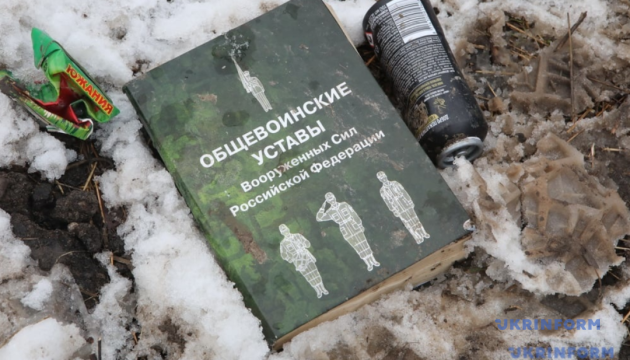
The General Staff of the Armed Forces of Ukraine reported Russia lost another 880 personnel and one air-defense system, updating cumulative Russian equipment losses to 11,619 tanks (+5), 23,977 armored combat vehicles (+8), 36,768 artillery systems (+20), 1,632 MLRS (+1), 1,290 air-defense systems (+1), 435 aircraft, 347 helicopters, 119,928 tactical UAVs (+694), 4,205 cruise missiles, 28 ships/boats, 2 submarines, 76,377 vehicles/tankers (+58) and 4,054 special pieces of equipment. As of Jan. 30 at 22:00 there were 157 combat clashes on the front and 38 Russian attacks in the Pokrovsk direction; the data are being clarified.
Market structure: Persistent high attrition (hundreds of platforms daily; UAVs +694 in one update) implies sustained replacement demand for missiles, air-defence, artillery rounds and ISR/drones. Direct winners are large defense primes with missile/air-defence franchises (RTX, NOC, LMT, GD) and commodity exporters (oil/gas, wheat); losers include travel/leisure (airlines), Russian assets and any firms with Russian supply exposure. Pricing power will favour firms with long lead-times, certified supply chains and existing government contracts; expect 10–25% incremental backlog growth across top primes over 3–12 months if aid packages continue.
Risk assessment: Tail risks include NATO escalation (low probability, very high impact), major cyber strikes on energy/financial infrastructure, or a negotiated ceasefire that collapses defense demand. Immediate (days) reaction is risk-off volatility in equities and commodity spikes; short-term (weeks–months) is order revelations and margin expansion for defense suppliers; long-term (quarters–years) depends on defense budgets and production capacity constraints. Hidden dependencies: US/EU congressional appropriations, factory bottlenecks for munitions, and specialized semiconductor supply for guided munitions.
Trade implications: Favor overweight defense and selective energy/commodity exposure while underweight airlines and Russian EM. Specific instruments: ITA or NOC/RTX/LMT for equity exposure; GLD for geopolitical shock hedge; short JETS or individual carriers (UAL/SAVE) for travel sensitivity; short RSX or buy USD/RUB forward as political-risk hedge. Use 6–9 month call spreads on NOC/RTX to express upside while limiting premium; initiate positions within 2–6 weeks and scale 1–3% increments.
Contrarian angles: Consensus may already price a permanent defense uplift; smaller ammo/drone suppliers (AVAV) show asymmetric risk — high upside if contract wins but binary operational risk. Risks of a sudden ceasefire or rapid cease of Western funding would compress multiples quickly (20–40% downside for small-caps). Historical precedent (post‑2014) shows a 6–18 month re-rating followed by mean reversion, so size positions with strict stops and profit targets.
AI-powered research, real-time alerts, and portfolio analytics for institutional investors.
Request DemoOverall Sentiment
moderately negative
Sentiment Score
-0.60
