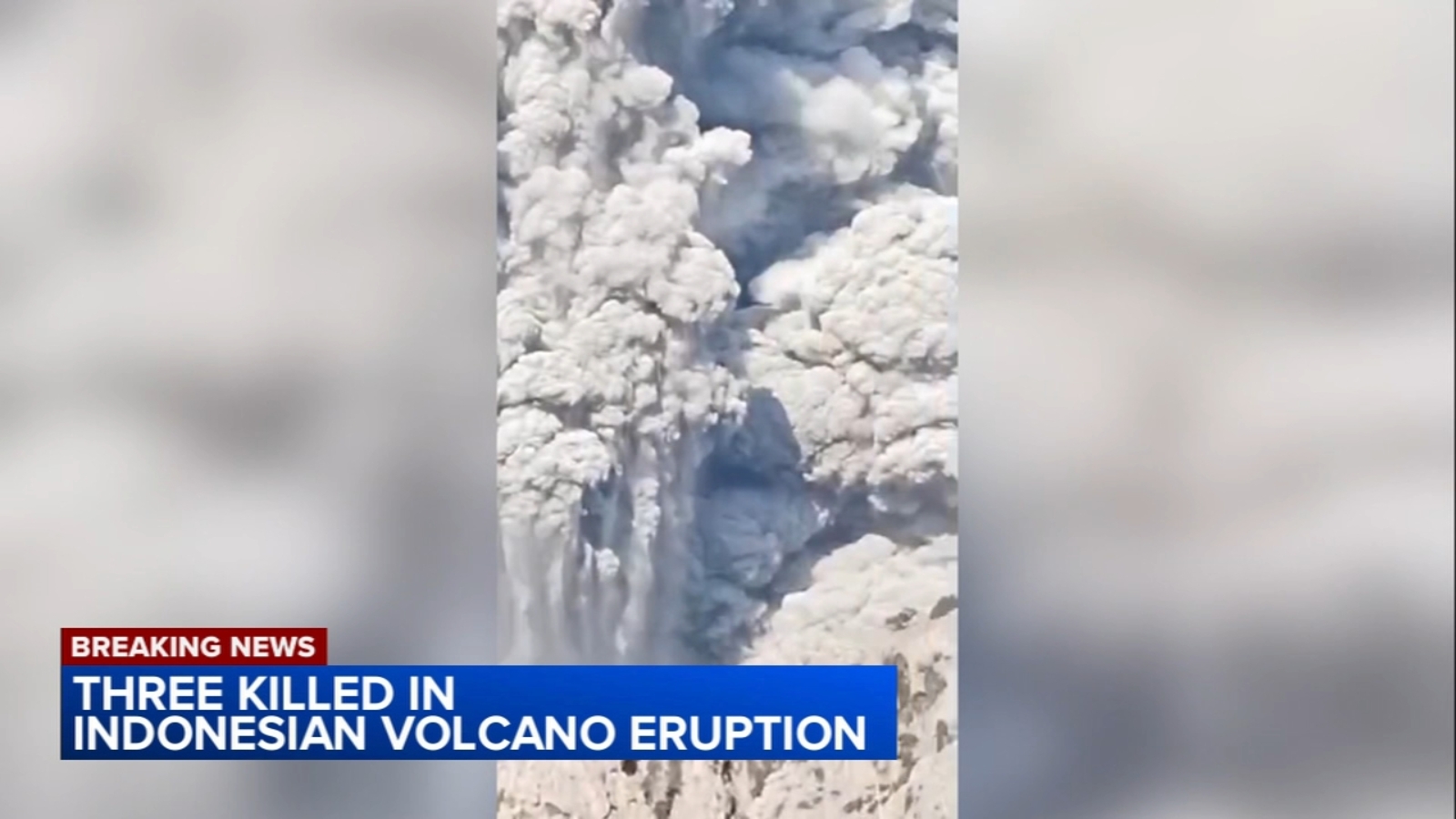
An erupting Mount Dukono killed 3 hikers, including 2 Singaporeans and 1 Indonesian, after about 20 climbers ignored a restricted-zone ban and were caught by the 7:41 a.m. eruption. Authorities said 14 climbers had been evacuated by Friday afternoon, with 5 injured, while rescue efforts remained hampered by continued eruptions and dangerous conditions. The volcano remains at the second-highest alert level, with ashfall and mudflow risks threatening nearby settlements including Tobelo.
The immediate market impact is not the tragedy itself, but the signal that a known tourism risk is now becoming a recurring operational risk for Indonesia’s leisure economy. Expect a short-lived hit to adventure-tourism operators, local transport, and any SME exposure tied to Halmahera/Maluku travel flows; the bigger second-order effect is tighter permit enforcement across Indonesia’s volcano circuit, which can suppress high-margin domestic and inbound excursion spending for weeks to months. This is a classic reputational shock: even if the geographic footprint is small, online amplification can push prospective travelers to substitute into lower-risk Asian destinations.
The more investable angle is not commodities, but logistics and regional risk premia. Persistent ashfall and mudflow risk can intermittently disrupt road access, ferry schedules, and short-haul aviation in North Maluku, creating localized friction for freight and consumer replenishment rather than a broad macro effect. That matters for Indonesian small-cap retailers, consumer staples distribution, and airlines with domestic island exposure, where even brief route instability can pressure load factors and raise irregular-ops costs.
Consensus may underprice the duration of the tourism drag because the volcano is in a state of elevated activity, not a one-off event. If eruption frequency stays high into the next 2-6 weeks, the government will likely tighten access further, and that can turn a headline shock into a broader booking slowdown for nearby adventure/travel packages. The contrarian view is that the selloff in any exposed names should be shallow unless there is evidence of sustained route disruption or casualty-related regulatory tightening beyond the immediate zone.
AI-powered research, real-time alerts, and portfolio analytics for institutional investors.
Request DemoOverall Sentiment
strongly negative
Sentiment Score
-0.75
