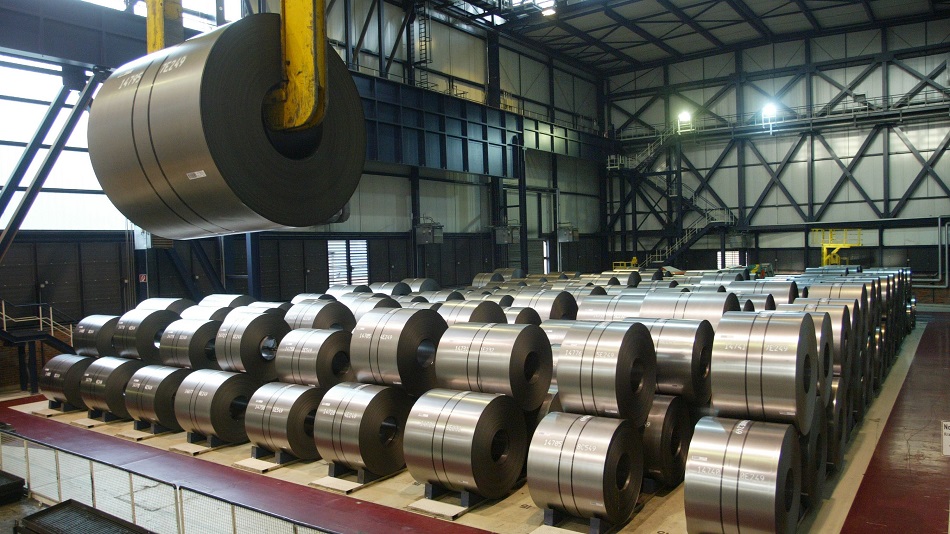
Former President Trump has proposed tariffs exceeding 50% on all imports, a move that Bloomberg analysis suggests would significantly reshape the steel industry by potentially increasing domestic steel prices and production. While boosting American steelmakers' profits, the tariffs could also raise costs for steel-consuming industries, leading to inflationary pressures and potentially impacting overall economic growth. The proposal's feasibility and broader economic consequences remain uncertain, pending further details and potential implementation.
Former President Trump's proposal for tariffs exceeding 50% on all imports, as analyzed by Bloomberg, signals a potential significant restructuring of the U.S. steel industry. Such a policy could lead to elevated domestic steel prices and an increase in domestic production, thereby potentially boosting the profitability of American steel manufacturers. However, these tariffs would concurrently impose higher input costs on steel-consuming industries, which could translate into broader inflationary pressures and negatively affect overall economic growth. The market impact score of 0.7, coupled with a mixed sentiment and uncertain tone, underscores the substantial but unpredictable consequences of this trade policy. The feasibility of implementing such extensive tariffs and their ultimate economic repercussions remain undefined, pending further policy articulation and potential enactment.
AI-powered research, real-time alerts, and portfolio analytics for institutional investors.
Request DemoOverall Sentiment
mixed
Sentiment Score
0.00
