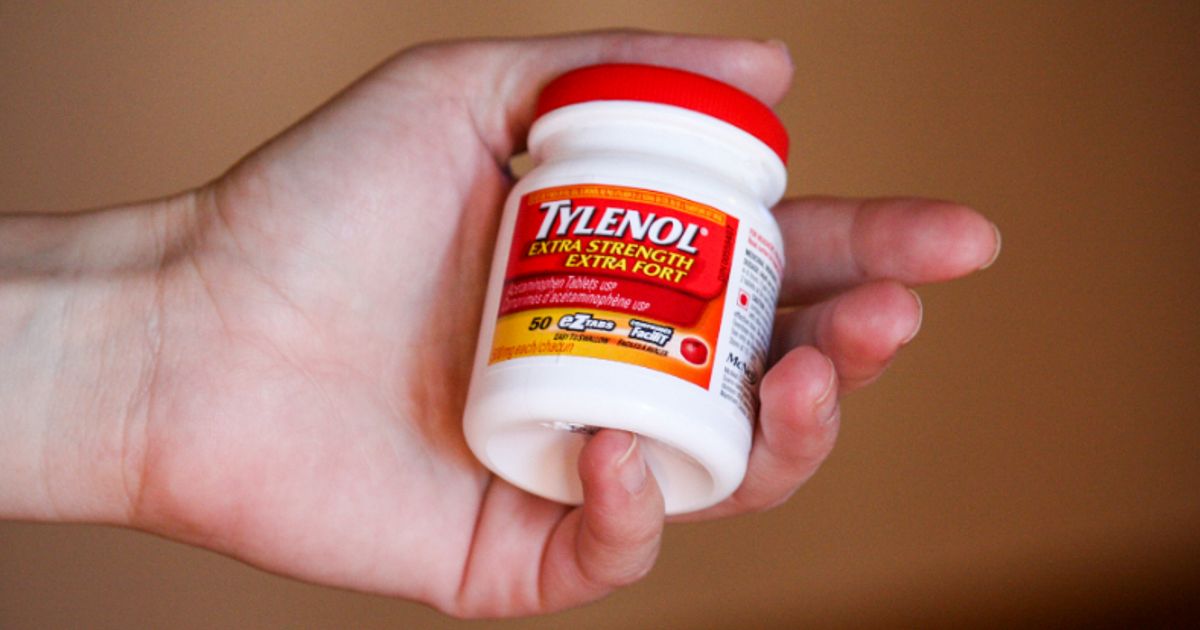
Kenvue beat Q4 expectations with adjusted EPS of $0.27 versus $0.22 estimated and revenue of $3.78 billion versus $3.68 billion consensus; net sales rose 3.2% year-over-year (organic +1.2%, FX +2.1%) while volumes declined 1.1%. Margins improved modestly (adjusted gross margin 58.8% vs 58.7% a year earlier; adjusted operating margin 19.9% vs 19.2%), but full-year net sales fell 2.1% and adjusted diluted EPS was $1.08. The company said its $48.7 billion acquisition by Kimberly-Clark has shareholder approval and cleared US antitrust waiting requirements, is expected to close in H2 2026 pending foreign approvals, and therefore it will not provide guidance; Kenvue also announced ~3.5% workforce cuts with roughly $250 million of restructuring charges. Shares were little changed around $18 pre-market.
Market structure: The approved Kenvue–Kimberly‑Clark deal (≈$48.7bn, expected H2 2026) clearly benefits Kimberly‑Clark shareholders if synergies >$250m restructuring annualize into EBIT within 12–24 months; Kenvue equity is now largely a deal/arb instrument. Winners: acquirer (KMB) if financing and integration succeed, suppliers with scale; losers: smaller consumer‑health peers (private label) if pricing discipline tightens and volume pressure persists (KVUE volumes -1.1% Q4, organic -2.2% FY). Cross‑asset: expect modest widening of KMB credit spreads (higher leverage), increased KMB equity volatility into closing, and potential USD funding demand tightening short‑dated corporate curves.
Risk assessment: Key tail risks are foreign antitrust rejections or onerous remedies (probability low–medium over next 3–6 months) and integration execution that erodes expected cost synergies, which could trigger a multi‑notch rating downgrade for KMB and >200bp CDS move. Time horizons: immediate (days) – muted reaction; short‑term (weeks/months) – arb spread moves and credit repricing as foreign approvals roll in; long‑term (quarters) – structural volume declines could cap revenue growth. Hidden dependencies include working‑capital and SKU rationalization effects on retail partners and potential price elasticity backlash if pricing drove Q4 growth.
Trade implications: Direct plays: merger‑arb KVUE (targeted 2–3% net exposure) if implied annualized arb yield >8% given expected H2 2026 close; hedge acquirer risk with a 0.5–1% short KMB position. Options: buy KMB 9–12 month put spreads (size 0.5–1% notional) to protect against a >15% downside if financing/approval issues emerge; alternatively write covered calls on KVUE for yield if spread compresses. Sector rotation: trim 1–2% from defensive staples ETFs and reallocate to select health/consumer names with secular growth or margin resilience (medical consumables > branded OTC).
Contrarian angles: The market underweights persistent volume weakness (organic sales -2.2% FY) and overweights a neat integration outcome; if pricing proves unsustainable, combined entity margins could disappoint despite synergies. Merger arb is not risk‑free: a foreign regulator delay or divestiture demand would reprice KVUE/KMB by >10% within weeks — that tail is underpriced if arb spread is narrow. Historical parallels: large consumer M&A (e.g., Kenvue’s spin peers) show 6–12 month post‑close margin realization lags; avoid assuming immediate margin crystallization.
AI-powered research, real-time alerts, and portfolio analytics for institutional investors.
Request DemoOverall Sentiment
mildly positive
Sentiment Score
0.30
Ticker Sentiment
