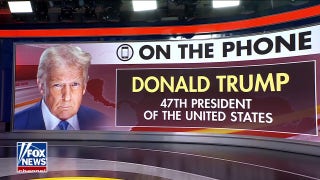
Venezuela holds an estimated >300 billion barrels of largely heavy and extra‑heavy crude—roughly 20% of global supply and nearly four times U.S. reserves—yet years of underinvestment, sanctions and degraded infrastructure have left most of it uneconomical to produce. Following the dramatic capture of President Nicolás Maduro, President Trump signaled plans to open Venezuela to large U.S. oil investments, potentially unlocking substantial resources; major U.S. firms (Chevron, ConocoPhillips, ExxonMobil) have responded cautiously, citing legal and operational constraints. The story presents a sizable long‑term supply upside for global energy markets if sanctions, financing and upgrading of complex heavy‑oil assets are resolved, but near‑term realizations and market impact remain highly uncertain.
Market structure: A US-controlled opening of Venezuelan reserves is a strategic long-term supply shock, but not an immediate one — heavy/extra‑heavy crude needs $20–50+ billion and 2–5 years to meaningfully ramp production. Near-term winners are service contractors, heavy‑crude refiners and insurers; losers include PDVSA bondholders, existing heavy‑crude premium hedgers and geopolitical risk premia beneficiaries. Pricing power shifts only if >500kbd–1mbd of net new supply comes online sustainably (likely 2+ years).
Risk assessment: Tail risks include renewed insurgency, reimposed sanctions, legal claims (e.g., legacy Conoco awards) and sabotage — each could wipe out staged capex and trigger re‑nationalization; probability moderate with impact severe. Time horizons: days (vol spike, headline trades), months (contract signings, OFAC rulings), years (production ramp, margin normalization). Hidden dependencies: US domestic refining capacity for heavy crude, financing (EPC lenders’ risk appetite), and OPEC+ response (coordination to defend price). Catalysts are OFAC policy changes, Chevron/Exxon capex announcements (> $1bn each) and Venezuelan export volumes reported by tanker trackers.
Trade implications: Tactical trades favor energy services (SLB, BKR) and heavy‑refiners (PBF, VLO) over upstreams until sanction clarity; consider long-dated call spreads on CVX/XOM to capture corporate re‑entry optionality. Use pair trades to be long SLB vs short pure‑play producers whose economics rely on light crude differentials. Options: buy 9–18 month call spreads on CVX/XOM (15–25% OTM) and buy 6–12 month calls on SLB to leverage policy-driven upside.
Contrarian angles: Consensus overstimates speed of supply increase — historical parallels (Iraq/Libya) show multi‑year recovery with volatile stop‑starts, so energy equities may be pricing in too‑fast normalization. Unintended consequences include OPEC+ voluntary cuts to defend price or US political backlash increasing sanction risk; both make a staggered, catalyst‑driven position sizing essential.
AI-powered research, real-time alerts, and portfolio analytics for institutional investors.
Request DemoOverall Sentiment
neutral
Sentiment Score
0.12
Ticker Sentiment
