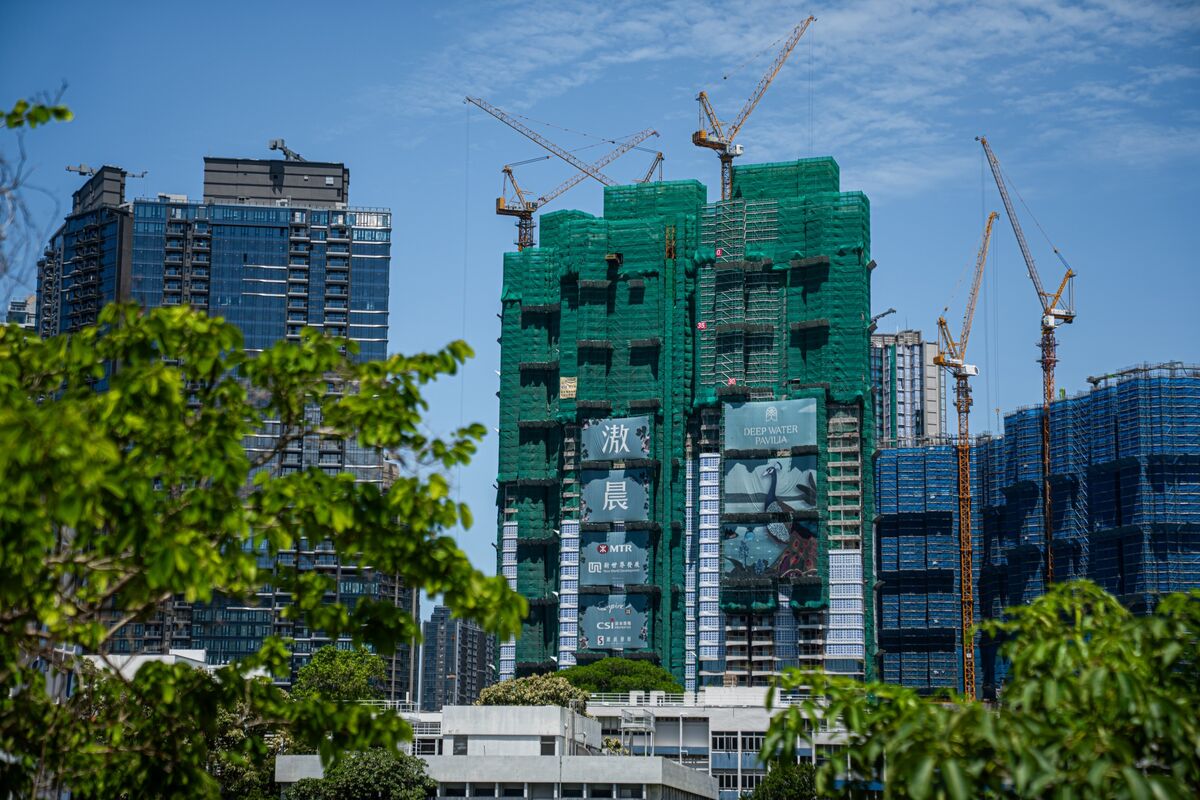
Hong Kong developer New World Development reported a small increase in bondholder support after a second early-bird deadline, with perpetual bonds to be exchanged rising by $94.9 million and an additional $32.7 million of conventional bonds to be issued. The moves bring take-up to 69% of the company’s $1.9 billion target for new notes, a modest positive signal for its debt-swap restructuring in the city’s distressed property sector, though further buy-in is needed to complete the plan.
Market structure: The move to 69% acceptance of New World Development’s $1.9bn swap target (≈$1.31bn) modestly reduces near-term default probability but leaves substantive holdout risk. Winners: secured/new-note holders and HK banks (reduced immediate loan-loss knock‑on); losers: perpetual holders who get pushed into longer-dated paper and equity holders facing dilution. Cross-asset: expect tightening in New World CDS and selective HK property bond spreads; limited FX impact on HKD but pressure on mainland real‑estate-linked USD bonds.
Risk assessment: Tail risks include holdout litigation, cross‑default triggers in offshore covenants, and a renewed liquidity shock if acceptance stalls below ~60%—each could produce multi-notch downgrades. Short-term (days–weeks) hinges on next acceptance deadline and rating actions; medium-term (3–12 months) depends on Mainland policy easing and asset-sale execution; long-term (>12 months) recovery tied to property demand and balance‑sheet repair. Hidden dependencies: bank covenant waivers, onshore land-sale pace, and intercompany guarantees.
Trade implications: Favor credit exposure to restructured/new notes only after a clear de‑risking threshold (suggested trigger ≥75–80% acceptance) and size position modestly (1–3% of portfolio). Hedge macro/property tail risk via short high‑beta developers and put spreads on broad HK/HSI exposures; overweight HK banks and high‑quality landlords on signs of stabilization. Key catalysts: next creditor vote, rating agency notices, and Hong Kong/Mainland policy statements within 30–90 days.
Contrarian angles: The market may be too sanguine at 69%—the marginal 6–11% needed to reach common supermajority thresholds can be obstructed by a few large holdouts, creating binary outcomes. Historical restructurings show “partial acceptance” often produces protracted haircuts and litigation (multi‑year). If acceptance fails to clear ≥80% in 30–60 days, assume significantly higher loss severity and widen credit spreads accordingly.
AI-powered research, real-time alerts, and portfolio analytics for institutional investors.
Request DemoOverall Sentiment
mildly positive
Sentiment Score
0.25
