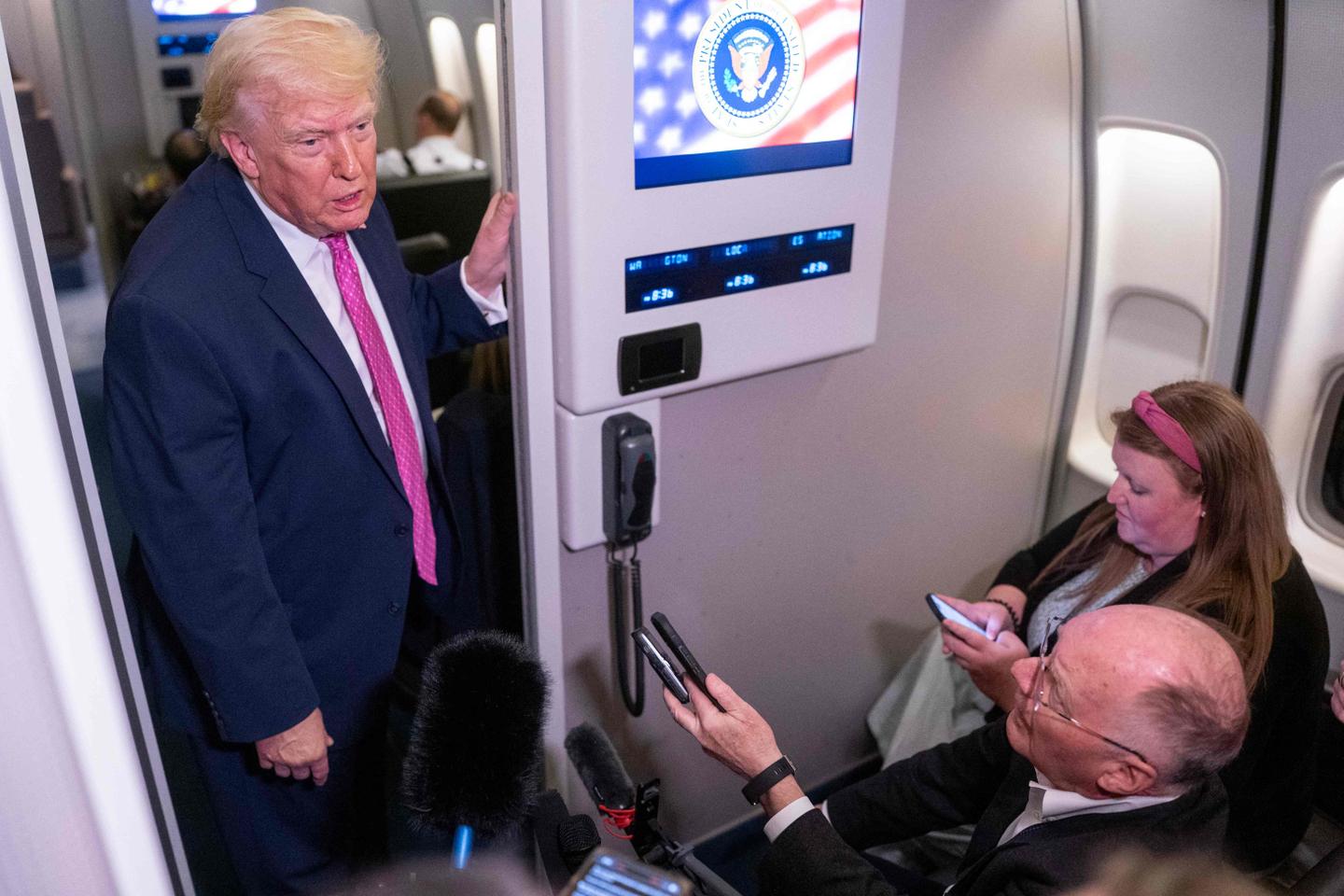
Brent crude traded around $114–$116/bbl as markets reacted to renewed US-Iran war rhetoric; Asian markets fell nearly 3% in Japan and European openings were sharply lower (France's CAC40 is down >10% since the conflict began). President Trump's mixed statements about potentially seizing Iranian oil increased volatility and failed to reassure investors, following earlier tweets that moved oil ~-$30/bbl (Mar 10) and -$12 (Mar 23). Expect continued risk-off positioning and elevated oil-price-driven market volatility while geopolitical clarity remains absent.
Market participants are increasingly desensitized to high-frequency political noise, which has compressed short-dated risk premia in crude and equities even as fundamental tail risks remain. That dynamic creates a volatility mispricing: implied crude option vols and short-dated equity hedges look cheap against the conditional probability of a headline-driven supply shock over the next 30–90 days. Liquidity providers and macro funds have been able to sell option premium and delta-hedge into headlines; if a real physical disruption occurs, rapid gamma-driven buying could amplify moves more than fundamentals alone would justify.
Second-order transmission channels are underappreciated and asymmetric. Marine insurance and tanker freight (TC) rates can gap wider by 30–70% inside a week if a critical chokepoint is threatened, instantly raising delivered fuel costs for refiners and exporters who lack long-term freight contracts; that favors integrated producers with refining/marketing footprints and hurts floating storage/re-export hubs. Equally, a short-lived political de-escalation often triggers a liquidity flush and mean-reversion in energy stocks within 2–6 weeks as SPR releases or diplomatic channels restore flows — so timing and option tenor are critical.
Key catalysts to watch with calibrated probabilities: (1) concrete evidence of infrastructure damage or successful interdiction (high-impact, <30-day shock); (2) coordinated SPR or allied diplomatic intervention (caps upside within 2–6 weeks); (3) OPEC+ production response (medium-term rebalancing over 3–6 months). The risk profile is tail-heavy: low-probability, high-impact outcomes dominate P&L, so prioritize convex, time-limited exposure rather than large directional carry positions.
AI-powered research, real-time alerts, and portfolio analytics for institutional investors.
Request DemoOverall Sentiment
moderately negative
Sentiment Score
-0.35
