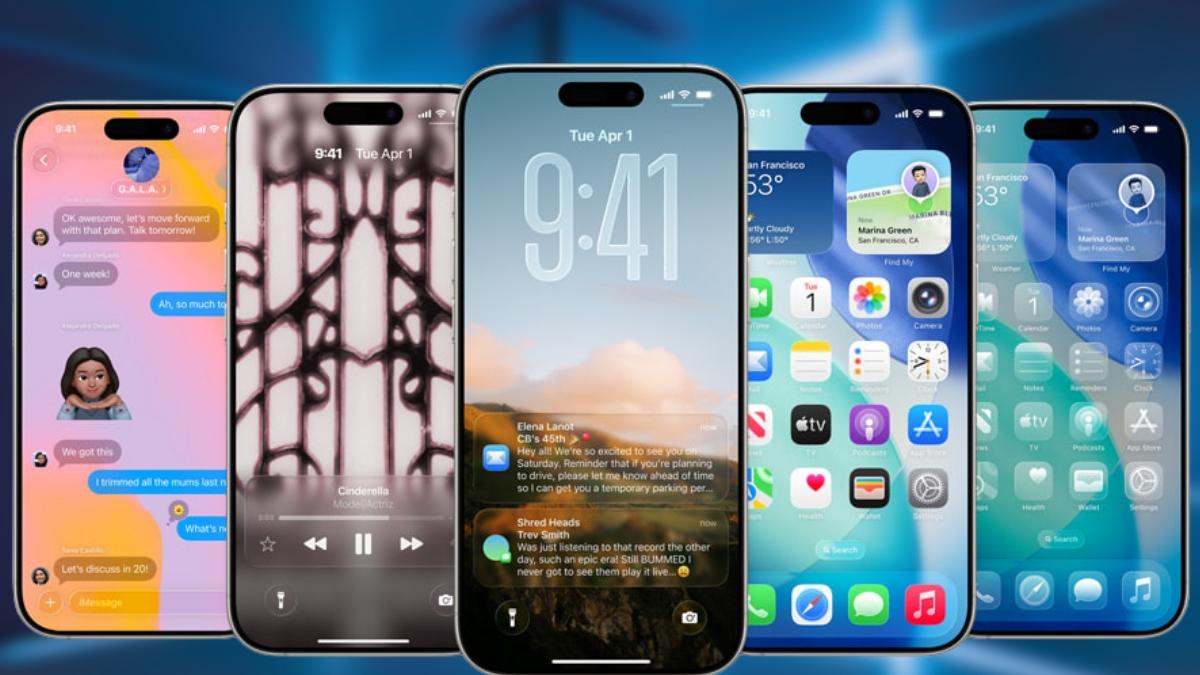
Apple is reportedly transitioning its iPhone release strategy from an annual fall launch to a bi-annual schedule starting in 2026, with premium models debuting in September and more affordable versions in the spring. This significant shift aims to counter intensifying competition from Chinese manufacturers, maintain year-round consumer interest, and stabilize its revenue stream by distributing sales more evenly across the fiscal year, thereby reducing reliance on the traditional fall sales spike.
Apple (AAPL) is poised to significantly alter its iPhone release strategy, transitioning from an annual fall launch to a bi-annual schedule beginning in 2026. This strategic shift will introduce premium models, including a new foldable iPhone, in September 2026, followed by more affordable variants in spring 2027. The primary drivers for this overhaul are intensified competition from Chinese manufacturers like Huawei and Xiaomi, who maintain year-round product cycles, and the need to address a perceived "marketing gap" in the first half of the year.
This bi-annual approach aims to stabilize Apple's revenue stream, which currently sees 50-55% of its overall revenue concentrated around the fall iPhone launch, creating significant sales spikes. By distributing product releases, Apple seeks to smooth out revenue cycles and reduce dependency on a single quarter. The market sentiment towards this strategic adjustment is moderately positive (0.55 sentiment score), reflecting an optimistic outlook on its potential to enhance company fundamentals and maintain consumer interest.
The introduction of a foldable iPhone within the premium 2026 lineup underscores Apple's commitment to innovation and capturing new market segments. This represents the most substantial change in the company's product launch cadence in over a decade, with the iPhone 17 lineup being the last under the traditional unified release. Reports also suggest potential rebranding, such as skipping iPhone 19 for an iPhone 20 series in 2027, aligning with the 20th anniversary of the original iPhone.
AI-powered research, real-time alerts, and portfolio analytics for institutional investors.
Overall Sentiment
moderately positive
Sentiment Score
0.55
Ticker Sentiment
