Major corporations, including Amazon (14,000 cuts), UPS (48,000 reduction), and Target (1,800 corporate cuts), are signaling a significant shift in the labor market, moving away from the prior 'no hire, no fire' environment. This trend, driven by factors such as AI adoption, economic uncertainty, and tariffs, has contributed to nearly 950,000 jobs cut through September, the largest since 2020, alongside slowing job growth. While the overall unemployment rate remains low at 4.3%, these mass layoffs could lead to a rise in long-term unemployment and provide the Federal Reserve with further evidence of labor market weakening, influencing future monetary policy decisions.
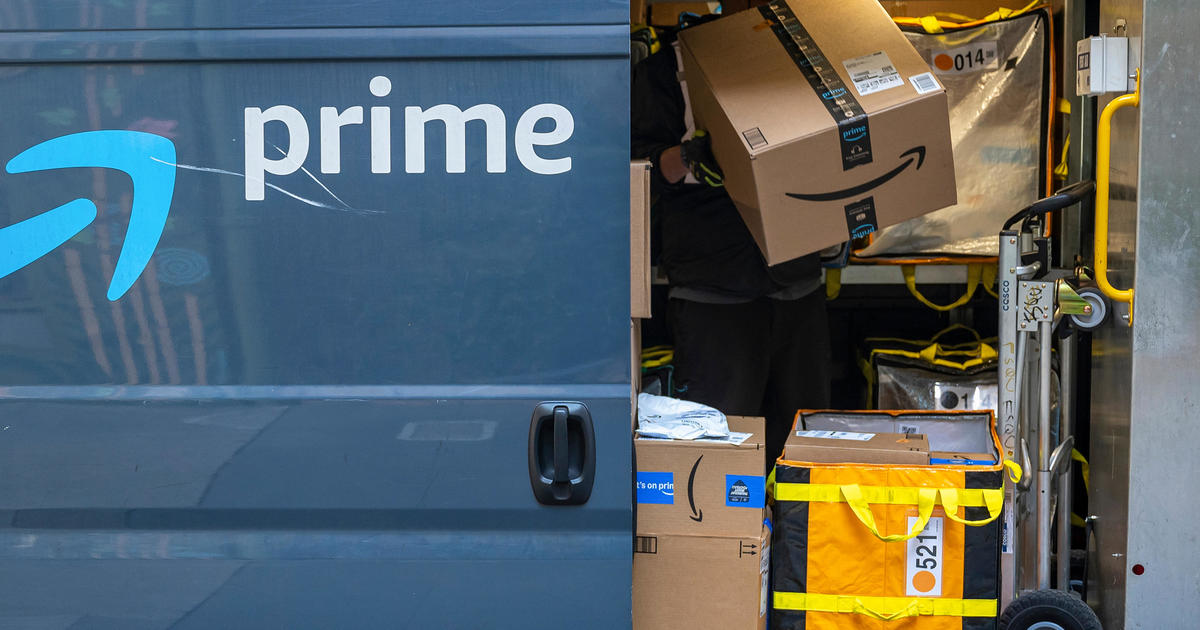
The U.S. labor market is undergoing a significant shift, moving away from the "no hire, no fire" environment prevalent in early 2025, as evidenced by recent mass layoffs from major corporations. Amazon announced 14,000 job cuts, citing a strategic pivot towards artificial intelligence, while UPS reduced its workforce by 48,000 year-over-year. Target also initiated a corporate restructuring, leading to 1,800 corporate position eliminations and a broader 8% reduction in its global workforce.
This trend contributes to a broader weakening, with nearly 950,000 jobs cut through September, marking the largest layoff total since 2020. Job growth has sharply decelerated, averaging 27,000 monthly gains from May to August, a significant drop from 123,000 in the preceding four months, and private payrolls declined by 32,000 in September according to ADP. Beyond AI adoption, economic uncertainty and tariffs are cited as key drivers, with Carter's cutting 15% of its workforce due to higher costs.
While the national unemployment rate remains historically low at 4.3%, the increasing corporate downsizings, coupled with fewer job openings, suggest a potential rise in long-term unemployment, which already reached its highest level since 2022 in August. This deterioration provides the Federal Reserve with further evidence of labor market softening, potentially influencing future interest rate decisions, especially given Fed Chair Powell's prior concerns about slower hiring. The strongly negative sentiment and significant market impact score underscore investor concern regarding these developments.
AI-powered research, real-time alerts, and portfolio analytics for institutional investors.
Request DemoOverall Sentiment
strongly negative
Sentiment Score
-0.75
Ticker Sentiment
