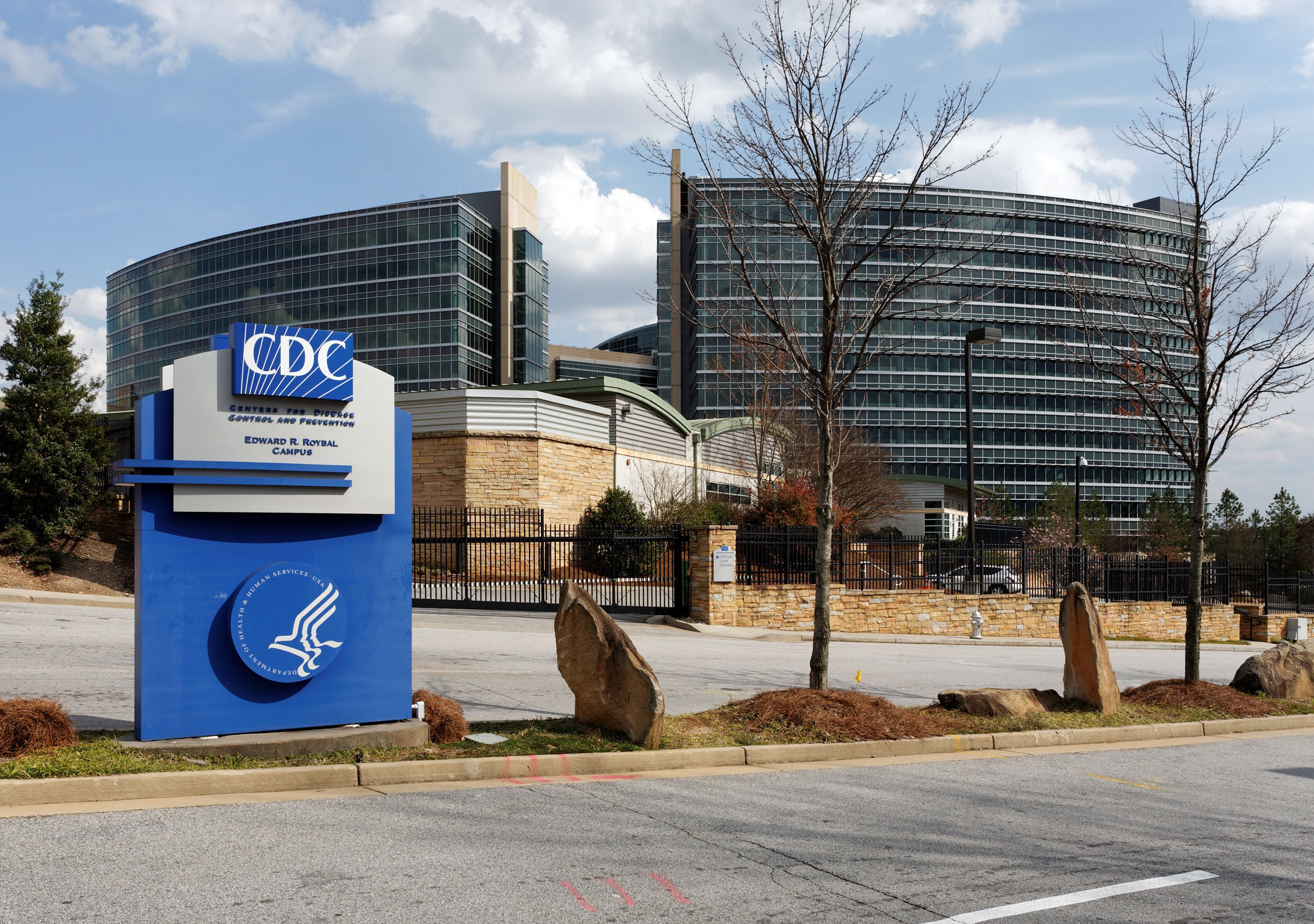
A review of 1,359 CDC databases found that of 82 datasets updated at least monthly, 38 (46%) had unexplained pauses as of Oct. 28, 2025, with 33 of the paused databases (87%) reporting vaccine-related data—most commonly influenza (n=14) and COVID-19 (n=11); 34 pauses dated at least six months prior and only one had resumed by Dec. 2, 2025. The interruptions clustered in March–April 2025 following administrative change and directives to cut CDC spending by roughly $2.9 billion (~35%), and researchers warn these gaps in vaccination and respiratory surveillance could impair policy decisions, equity targeting, and efforts to counter misinformation.
Market structure: The unexplained CDC pauses shift spending and informational demand from a single public provider to private integrators — beneficiaries include government IT contractors (e.g., BAH, SAIC), cloud/platform vendors (AMZN, MSFT), and analytics firms (PLTR, IQV). Vaccine manufacturers (MRNA, PFE) and diagnostics companies face short-term demand uncertainty because surveillance gaps degrade timely uptake signals; this increases pricing power for third-party data suppliers as demand for independent surveillance rises.
Risk assessment: Tail risks include a localized outbreak from blind spots that triggers rapid vaccine demand swings (>+20% in quarter) or political/legal reversals that restore funding (budget reversal >$1B) and remove private upside. In days–weeks expect idiosyncratic volatility in small-cap biotech; in 3–12 months expect contract reallocation to private vendors and revenue recognition inflection for winners; over years, persistent transparency erosion raises long-term forecasting error for healthcare equities.
Trade implications: Favor selective exposure to gov IT/data integrators and cybersecurity (to secure new pipelines) while hedging vaccine-exposed names. Liquidity and timing favor buying into weakness now on contractors with visible SAM.gov opportunities; use short-duration options to hedge biotech event risk. Monitor contract awards and CDC resume dates as execution triggers.
Contrarian angle: Consensus focuses on public-health harm but underestimates the commercial acceleration of private surveillance contracting — a multi-quarter revenue tailwind for a handful of mid-cap gov-tech names. Conversely, selling large diversified vaccine makers is likely overdone: demand shock is binary and will normalize if CDC resumes or alternative surveillance emerges, creating a mean-reversion trade.
AI-powered research, real-time alerts, and portfolio analytics for institutional investors.
Request DemoOverall Sentiment
moderately negative
Sentiment Score
-0.50
