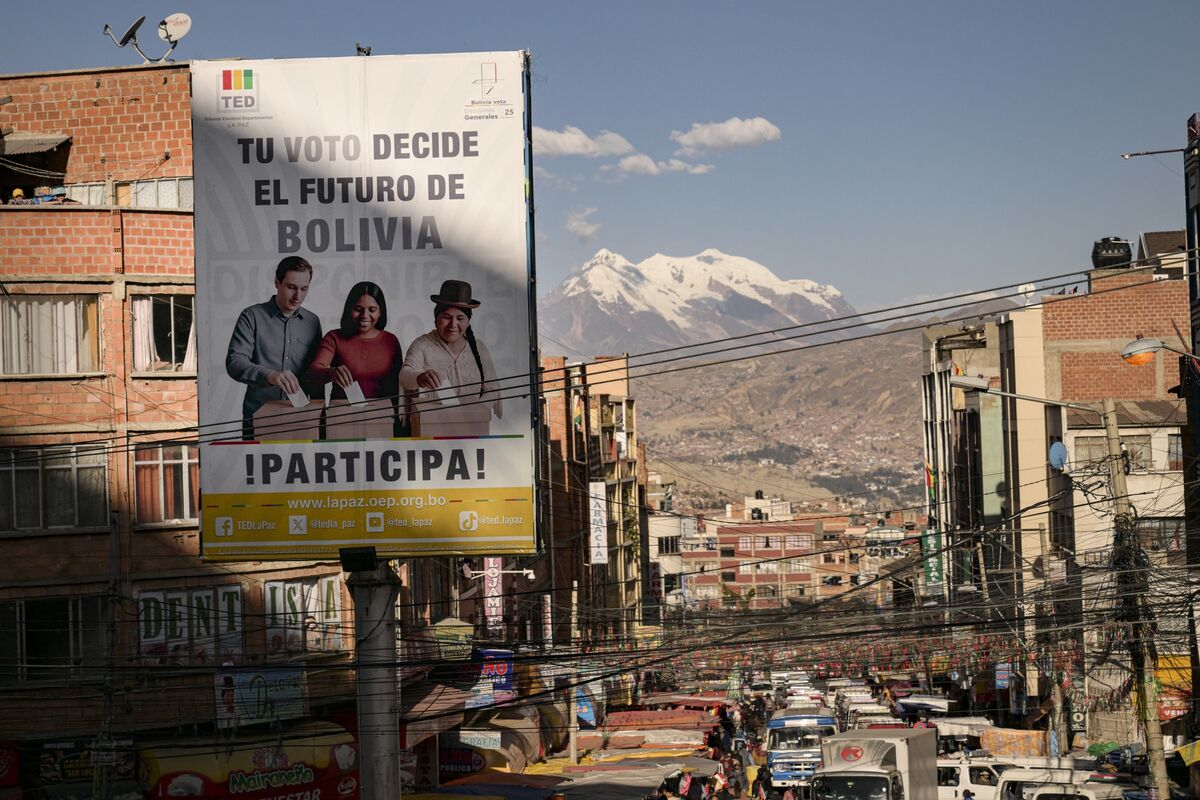
Bolivia's upcoming August 17 presidential and congressional elections are unfolding amidst severe economic challenges, including unrest, widespread shortages, and inflation at a three-decade high. These economic frustrations pose a significant threat to the long-standing rule of the socialist party, in power almost continuously since 2006, signaling potential political and economic shifts for the nation.
Bolivia is facing a critical juncture with its upcoming presidential and congressional elections on August 17, set against a backdrop of severe economic distress. The primary drivers of political risk are the country's steepest inflation in over three decades, widespread product shortages, and significant social unrest. These factors have culminated in a strongly negative sentiment environment, as indicated by a score of -0.75, and are directly threatening the nearly two-decade-long rule of the incumbent socialist party. The potential for a major political shift introduces substantial uncertainty regarding the future direction of economic policy in this emerging market. While the market impact score of 0.35 suggests the crisis is currently perceived as contained, the confluence of high inflation and political instability presents a highly volatile scenario for any assets tied to the Bolivian economy.
AI-powered research, real-time alerts, and portfolio analytics for institutional investors.
Request DemoOverall Sentiment
strongly negative
Sentiment Score
-0.75
