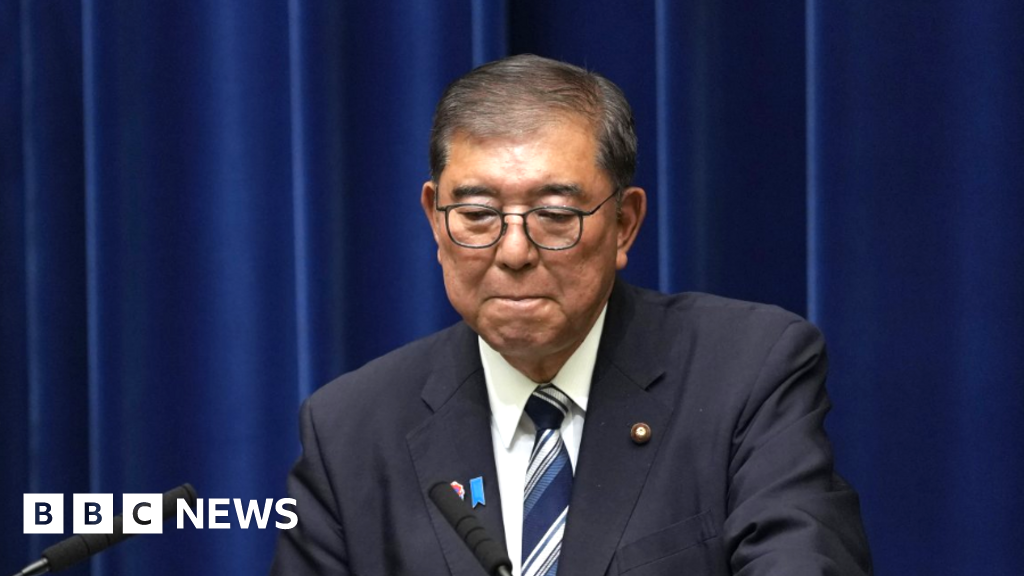
Japanese Prime Minister Shigeru Ishiba has resigned after less than a year in office, following significant election defeats that saw his Liberal Democratic Party lose majorities in both houses of parliament. His departure, which came after successfully concluding negotiations on US tariffs, leaves Japan, the world's fourth-largest economy, facing a period of political uncertainty amidst ongoing economic headwinds, including rising inflation and a cost-of-living crisis, as the LDP prepares to select a new leader.
The resignation of Japanese Prime Minister Shigeru Ishiba introduces significant political uncertainty into the world's fourth-largest economy, a development underscored by a moderately negative market sentiment and a notable impact score of 0.6. This leadership vacuum follows historic election losses where the long-governing Liberal Democratic Party (LDP) lost its majority in both houses of parliament for the first time in 15 years, signaling a potential shift in Japan's stable political landscape. The transition occurs against a challenging backdrop of domestic economic headwinds, including a severe cost-of-living crisis and damaging inflation, exemplified by the doubling of rice prices over the past year. While Ishiba's departure was timed to follow the conclusion of a critical tariff negotiation with the U.S., the change in leadership raises questions about policy continuity, particularly as Japan navigates rising geopolitical tensions with China and regional insecurity. The incoming prime minister will inherit a fractured political mandate and immediate pressure to address economic distress, making the LDP's choice of successor a critical catalyst for market direction.
AI-powered research, real-time alerts, and portfolio analytics for institutional investors.
Overall Sentiment
moderately negative
Sentiment Score
-0.50
