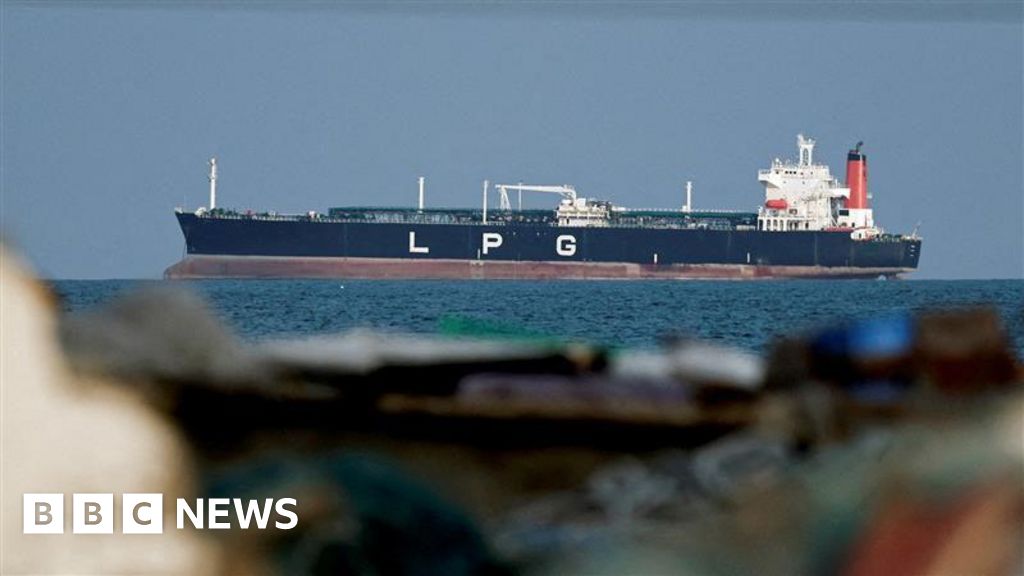
About 20% of global oil and gas flows through the Strait of Hormuz; Brent crude has jumped from $73 to well over $100/bbl (≈+37%+), stoking global fuel-price and cost-of-living pressures. The UK will chair a virtual summit (30+ foreign ministers) to coordinate reopening the Strait, but the US was not expected to attend; Iranian attacks on vessels have severely disrupted exports. The outcome is uncertain, leaving markets exposed to continued supply disruption and elevated energy-driven inflation risks.
The immediate market reaction is signaling a risk premia uplift in seaborne energy logistics rather than a pure supply shock to upstream production — the marginal mechanism is higher voyage costs, insurance premia and idled tonnage which mechanically tighten delivered crude and product availability in weeks rather than months. Expect front-month freight and bunker spreads to widen materially (short-term IMO compliance frictions increase fuel bills) meaning refiners with limited access to contracted crude will face margin compression even as upstream producers see elevated cash margins.
A coordinated diplomatic/maritime security effort centered on escort convoys or multinational patrols would reduce transit risk quickly, but implementation has high political coordination friction and uneven burden-sharing; a phased risk reduction (weeks) is more likely than an immediate fix. Conversely, escalation (attacks on escorted convoys or mis-attribution) is a low-probability, high-impact tail that would force longer re-routing and sustained backwardation for spot crude and oil products lasting quarters.
Second-order winners include owners of flexible, longer-haul tanker capacity and short-cycle US producers who can ramp modestly inside 3–6 months; losers are refiners reliant on tight just-in-time crude supply, trade-dependent petrochemical converters, and carriers without war-risk coverage. The most tradable manifestation over the next 30–90 days is a spike in front-month Brent/freight spreads and tanker time-charter rates, which can be expressed via front-month futures or concentrated equity exposure in tanker owners and US shale operators.
AI-powered research, real-time alerts, and portfolio analytics for institutional investors.
Overall Sentiment
mildly negative
Sentiment Score
-0.35
