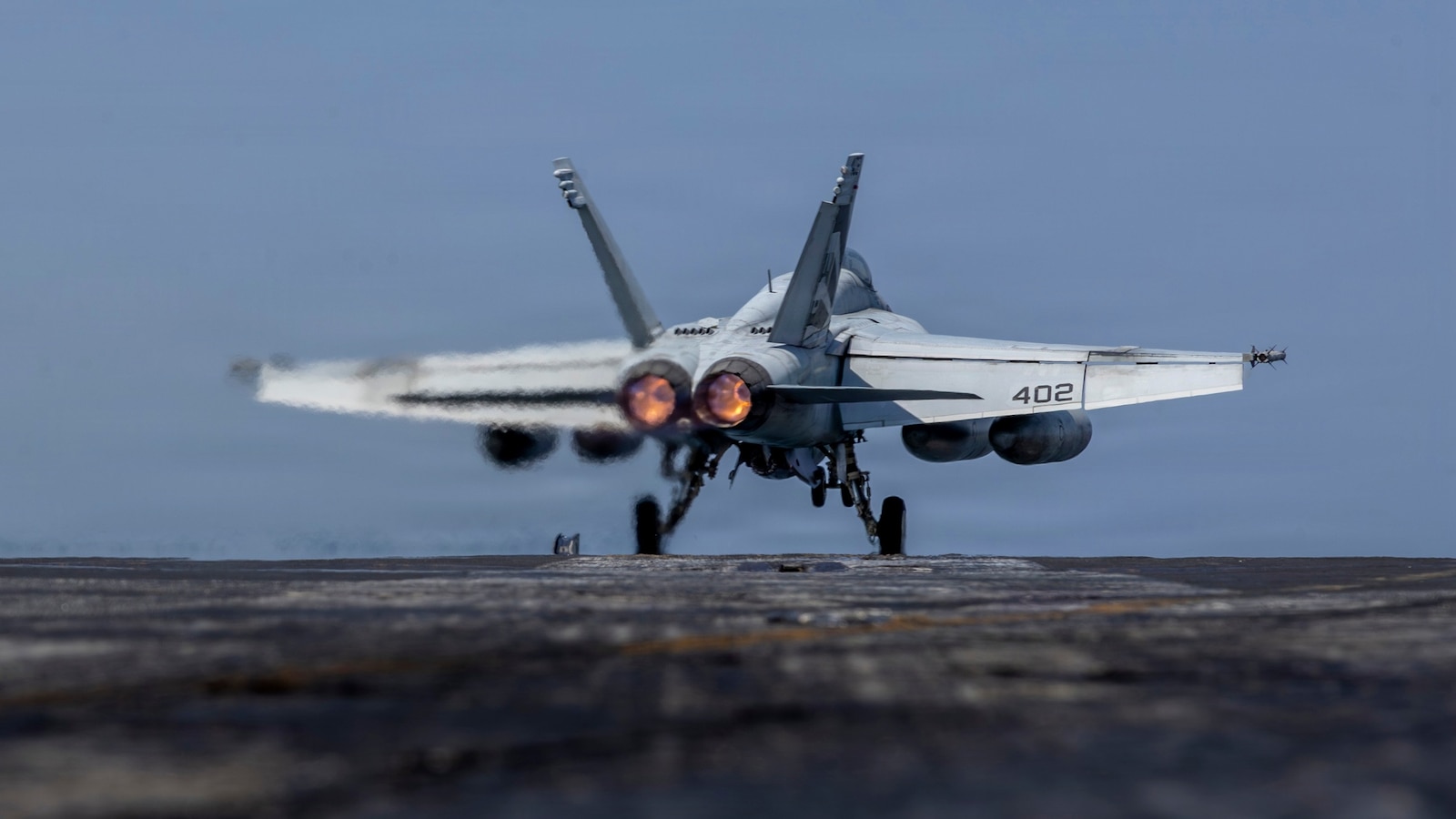
Key event: Combined U.S.-Israeli airstrikes began Feb. 28, killing Iran's supreme leader and dozens of senior officials and triggering a month of escalating attacks including the sinking of the IRIS Dena (~104 crew killed) and a reported 168 civilian deaths at a girls' school in Minab. The conflict has spread to strikes on energy and industrial targets (South Pars gas field, major steelworks), repeated attacks on shipping in the Strait of Hormuz, a missile strike toward Diego Garcia (~2,500 miles), and U.S. force buildups (≈3,500 sailors/Marines aboard USS Tripoli and ~1,500 82nd Airborne troops). Market implications: heightened risk of sustained upward pressure on oil and shipping insurance premia, sector rotation into defense and energy names, and broad risk-off flows into safe havens (Treasuries, USD).
The market is pricing a near-term premium for disruption risk in Middle East maritime and energy corridors that will manifest as higher freight, insurance and marginal fuel costs within days. Expect LR/ULCC and VLCC voyage distances to rise 10–25% on reroutes and waiting times to add 7–14 days per trip, effectively tightening tanker capacity and pressuring spot rates for 1–3 months.
A sustained risk environment will shift procurement and inventory behavior across commodity and industrial supply chains: buyers will front-load purchases of refined products, LNG cargoes and key metals, injecting a 6–12 week demand surge into already tight markets. This creates a window where commodity-linked equities and shipping owners capture outsized margins before capex responds (capex cycles typically take 12+ months to restore capacity).
Defense and munitions demand is the canonical multi-quarter beneficiary, but the less-obvious lever is the accelerated draw on precision-guided inventories and semiconductor-grade components used in guidance systems — lead times measured in months, not weeks. Conversely, regional manufacturers dependent on just-in-time imports (automotive, appliances) face margin compression and order cancellations that will show up in earnings over the next 1–3 quarters.
Key catalysts to watch that will reprice these effects are: a diplomatic de-escalation or formal corridor agreement (days–weeks), strategic stock release (SPR-style) by major importers (2–6 weeks), and sustained interdiction of shipping (which pushes outcomes from price shock to structural rerouting, 3–12 months). Tail risk (full regional mobilization) would force a materially higher baseline for energy, insurance and defense procurement for 12+ months and should be treated as a low-probability, high-impact scenario for portfolio stress-testing.
AI-powered research, real-time alerts, and portfolio analytics for institutional investors.
Request DemoOverall Sentiment
extremely negative
Sentiment Score
-0.95
