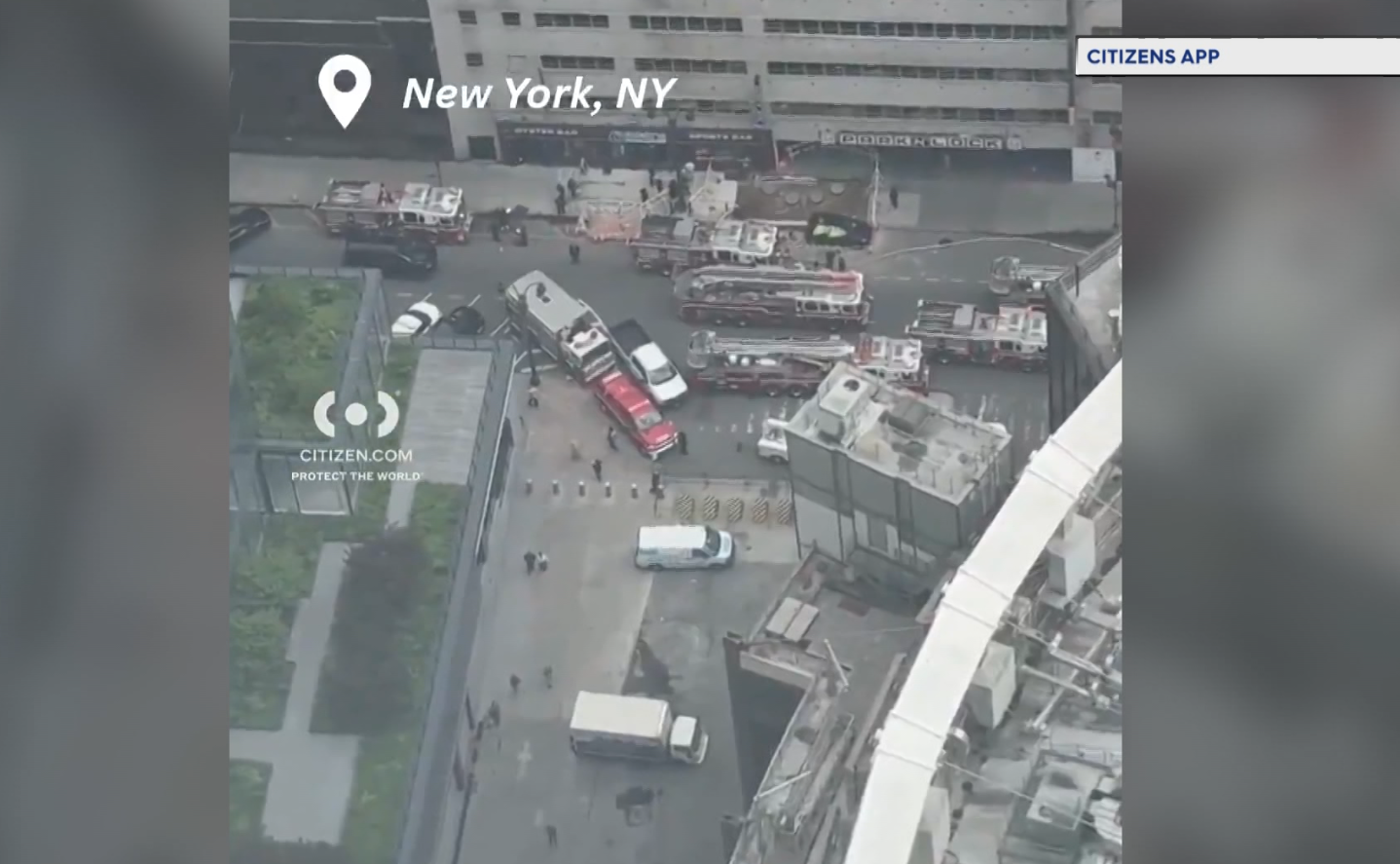
An electrical fire near New York Penn Station has disrupted NJ Transit service, with Midtown Direct trains diverted to Hoboken Terminal and delays still in place early Friday. Rail tickets are being cross-honored on buses and PATH while crews and the fire department continue response efforts. The incident is a commuter-service disruption rather than a broader market-moving event.
This is a localized, time-sensitive disruption rather than a demand shock, so the first-order impact is mostly operationally negative for PATH and any last-mile transit alternatives that absorb stranded commuters. The more interesting read-through is on reliability: repeated rail interruptions can accelerate modal substitution toward cars, ride-hail, and hybrid work for high-frequency commuters, which is a small but cumulative headwind to rail system utilization if incidents cluster over weeks. In the next 24-72 hours, the key variable is whether cross-honoring smooths the spillover enough to prevent a visible backlog; if not, commuter frustration can amplify into a short-lived reputational hit that outlasts the physical outage. For PATH specifically, the near-term benefit is volume capture, but that is likely low-margin and operationally messy. The market tends to overestimate the monetization of disruption for transit operators because incremental riders arrive during stress events, not as durable new customers; the real economic value would be improved retention if PATH is seen as the reliable alternative. On the flip side, if PATH trains become crowded or delayed, the optics can flip quickly and the stock can underreact to a deterioration in service perception before it shows up in ridership data. The contrarian angle is that the event may be too small to matter fundamentally unless it becomes a pattern. The bigger second-order effect is on adjacent beneficiaries like ride-hail, taxis, and parking operators, but the duration must extend beyond a day or two to show up in earnings-relevant volumes. If service normalization occurs within 1-3 sessions, any trade predicated on persistent commuter diversion should be faded; if disruptions recur over a month, the thesis shifts from event-driven noise to a genuine mode-share warning.
AI-powered research, real-time alerts, and portfolio analytics for institutional investors.
Request DemoOverall Sentiment
mildly negative
Sentiment Score
-0.20
Ticker Sentiment
