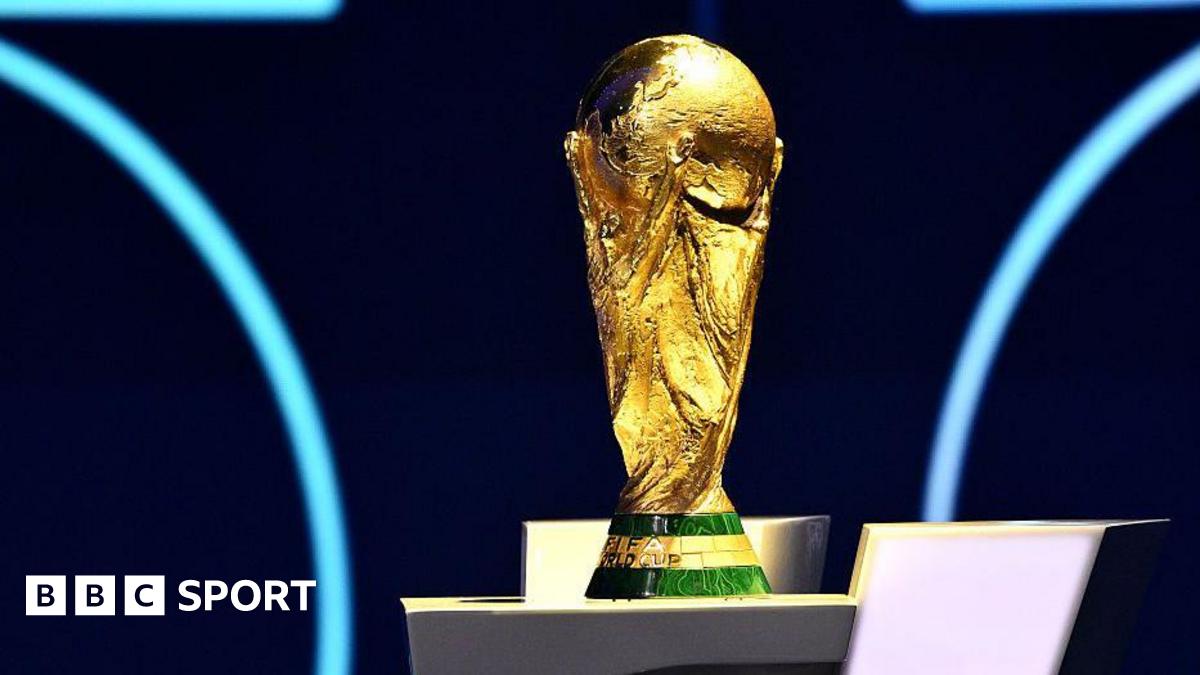
FIFA's ticket schedule for the 2026 World Cup — with MetLife Stadium final 'supporter' tiers at roughly £3,119, £4,162 and £6,615 and no concessions — has drawn fire from fan groups after the main ballot opened, with lowest prices up to seven times higher than in 2022; a full tournament through the final would cost an individual roughly £5,225–£12,357 depending on tier. Football Supporters Europe and the Football Supporters' Association have called the prices 'extortionate' and demanded a halt, criticizing the introduction of variable group-stage pricing based on vague 'perceived popularity' criteria and the reservation of the cheapest category for general sales, which they say disadvantages dedicated supporters. While the structure boosts FIFA's revenue potential (and resale/dynamic pricing could push prices higher), it creates material reputational and access risks and may materially dampen travel demand from working- and family-age fans.
FIFA’s published 2026 World Cup ticket schedule materially re-prices access to matches: final 'supporter' tiers are roughly £3,119, £4,162 and £6,615, group-stage matches are now variable-priced by “perceived popularity,” and there are no concessions for children or other groups. The lowest category is up to seven times the 2022 floor (from £450), and a single supporter attending all eight matches through the final faces total outlays of roughly £5,225–£12,357 versus £1,466–£3,914 in 2022 (seven games). About 4,000 tickets per game are being allocated via official supporters’ groups while the remainder go through the ballot or are retained for corporate partners; FIFA has said the main and association ballots will not use dynamic pricing but resale is likely to be higher.
Fan organisations (Football Supporters Europe and the Football Supporters’ Association) have labelled the structure “extortionate” and demanded a halt, citing lack of transparency on popularity metrics and the reservation of the cheapest category to general sales. Anecdotal comments in the article signal potential demand erosion among families and budget-conscious supporters — for example, a cited family estimate of £15,000–£20,000 — which creates reputational and access risk if sustained.
From a market perspective the schedule increases FIFA’s near-term revenue capture and creates upside for secondary marketplaces if resale and dynamic pricing take hold, but it also raises the probability of public backlash, lower travel-booking elasticity and potential political or regulatory attention. Investors should therefore treat the situation as a revenue-risk/reputational-risk tradeoff: monitor ballot sell-through, resale price trajectories and official responses from FIFA and national associations as the key leading indicators.
AI-powered research, real-time alerts, and portfolio analytics for institutional investors.
Request DemoOverall Sentiment
moderately negative
Sentiment Score
-0.50
Ticker Sentiment
