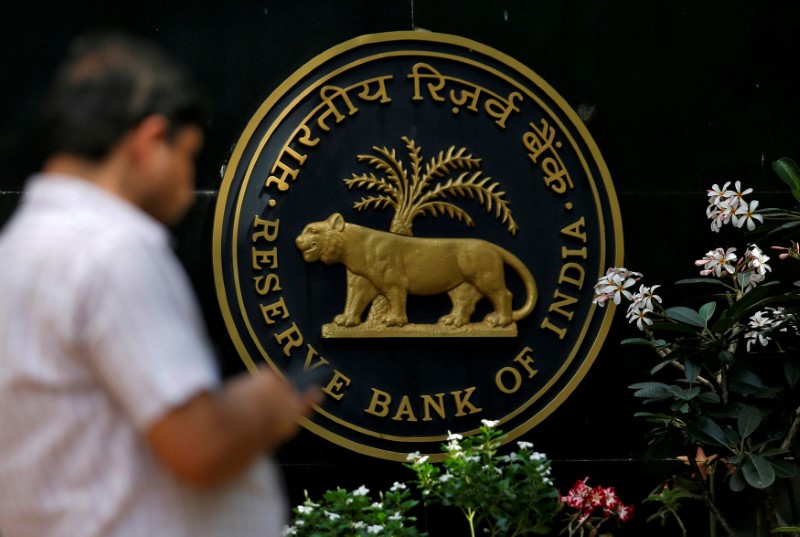
RBI kept its policy rate unchanged at 5.25%, as widely expected. Governor Sanjay Malhotra flagged elevated geopolitical risk from the Iran conflict, noting pass-through from higher global energy prices and downside risks to growth; CPI projected at 4.6% in FY2027 (vs 2.6% in FY2026) and GDP at 6.9% (vs 6.8%). The bank has intervened repeatedly in FX markets after the rupee hit record lows, underscoring vulnerability to energy/import disruptions via the Strait of Hormuz and potential upside to inflation.
The market is treating the ceasefire as a conditional de‑risking event, but the real transmission to India runs through freight/insurance premia and energy import costs — frictional increases that can persist for months even if strikes pause. That subtle persistence forces recurring FX interventions to stabilize the rupee, which tightens offshore IBOR/forward curves and raises the implicit cost of hedging for corporates that borrow in dollars.
Those mechanics create asymmetric pressure: exporters face higher logistics bills and margin squeeze from fuel passthroughs, while global AI hardware/software vendors capture discretionary capex that is currency-agnostic. That divergence implies a structural long bias to scalable, USD-priced tech revenue (higher gross margins and easier pass-through of component inflation) versus domestic cyclicals and financials that are sensitive to local rates, liquidity and FX shocks.
Timing matters: expect episodic volatility over the next 2–12 weeks as market participants reprice shipping insurance and forward points; if disruptions continue beyond one quarter the balance shifts decisively toward higher local inflation and steeper local yields. The contrarian angle is that a short, credible reopening of Hormuz + normalization of P&I rates would produce a rapid snapback in EM FX and a 30–50% reversal in energy risk premia inside 4–8 weeks, creating a clear fade opportunity for oversold India exposures.
AI-powered research, real-time alerts, and portfolio analytics for institutional investors.
Overall Sentiment
mildly negative
Sentiment Score
-0.15
Ticker Sentiment
