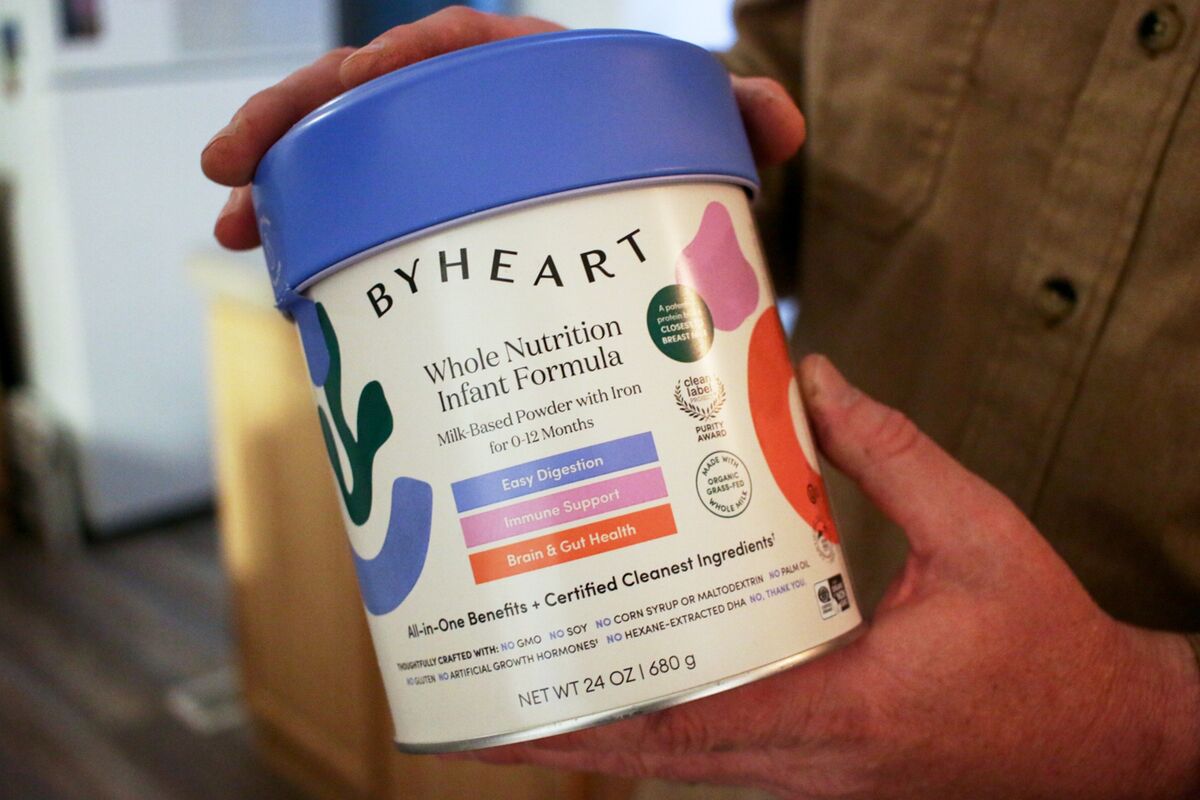
ByHeart, an infant-formula maker that had been marketing higher safety standards, is under FDA investigation after 31 babies were hospitalized with suspected botulism linked to its product; the company issued a limited recall that expanded to a full recall and has confirmed spores in its cans, warning all products could be contaminated. The probe follows a high-profile promotional sale days earlier and creates immediate regulatory, legal and reputational risk, with potential litigation, consumer-demand loss and supply disruptions that could materially impair the company’s revenue outlook and valuation prospects.
Market structure: incumbents with scale and diversified portfolios (Nestlé NSRGY, Danone DANOY, Reckitt RB) are likely short-term beneficiaries as retailers and hospitals reallocate purchases away from niche/DTC brands; expect a 5–15% reallocation of category volume within 30–90 days producing 2–5% incremental revenue for large players and room for 3–7% price increases on constrained SKUs. Retailers (WMT, TGT) see traffic lift but margin pressure from emergency procurement and promotional resets; private-label and startups lose pricing power and consumer trust, with several small firms at existential risk.
Risk assessment: tail scenarios include a national shortage prompting import waivers and government rationing (probability 10–20% over 3 months) or large multi-jurisdictional litigation exposures (> $500m) for implicated manufacturers and suppliers. Immediate (days) risk is reputational contagion across the category; short-term (weeks–months) risk is regulatory tightening and capex for sterilization/QA; long-term (quarters–years) risk is higher compliance costs reducing smaller players and consolidating share to global majors.
Trade implications: tactical trades favor long positions in global staples with quality control scale (NSRGY, DANOY) and short exposure to smaller US food/health startups and exposed processors (consider KHC as a high-visibility US peer). Use 1–2% portfolio size trades: buy 3-month call spreads on RB/NSRGY to capture share-shift upside while buying 3-month puts on select US-listed small/mid food processors; prefer pair trades (long NSRGY, short KHC) to neutralize macro.
Contrarian angles: consensus fear may over-index liability risk to all large manufacturers — history (Abbott 2022) shows incumbents ultimately gained pricing power and margins as supply tightened. If FDA investigations remain narrowly contained to ByHeart and hospital counts plateau (<50 admissions over 30 days), rapid mean-reversion is likely and current sell-side panic will create 8–15% mispricings in high-quality staples. Watch for unintended winners: contract co-packers and certified importers may see durable volume gains and are potential takeovers targets.
AI-powered research, real-time alerts, and portfolio analytics for institutional investors.
Request DemoOverall Sentiment
strongly negative
Sentiment Score
-0.80
