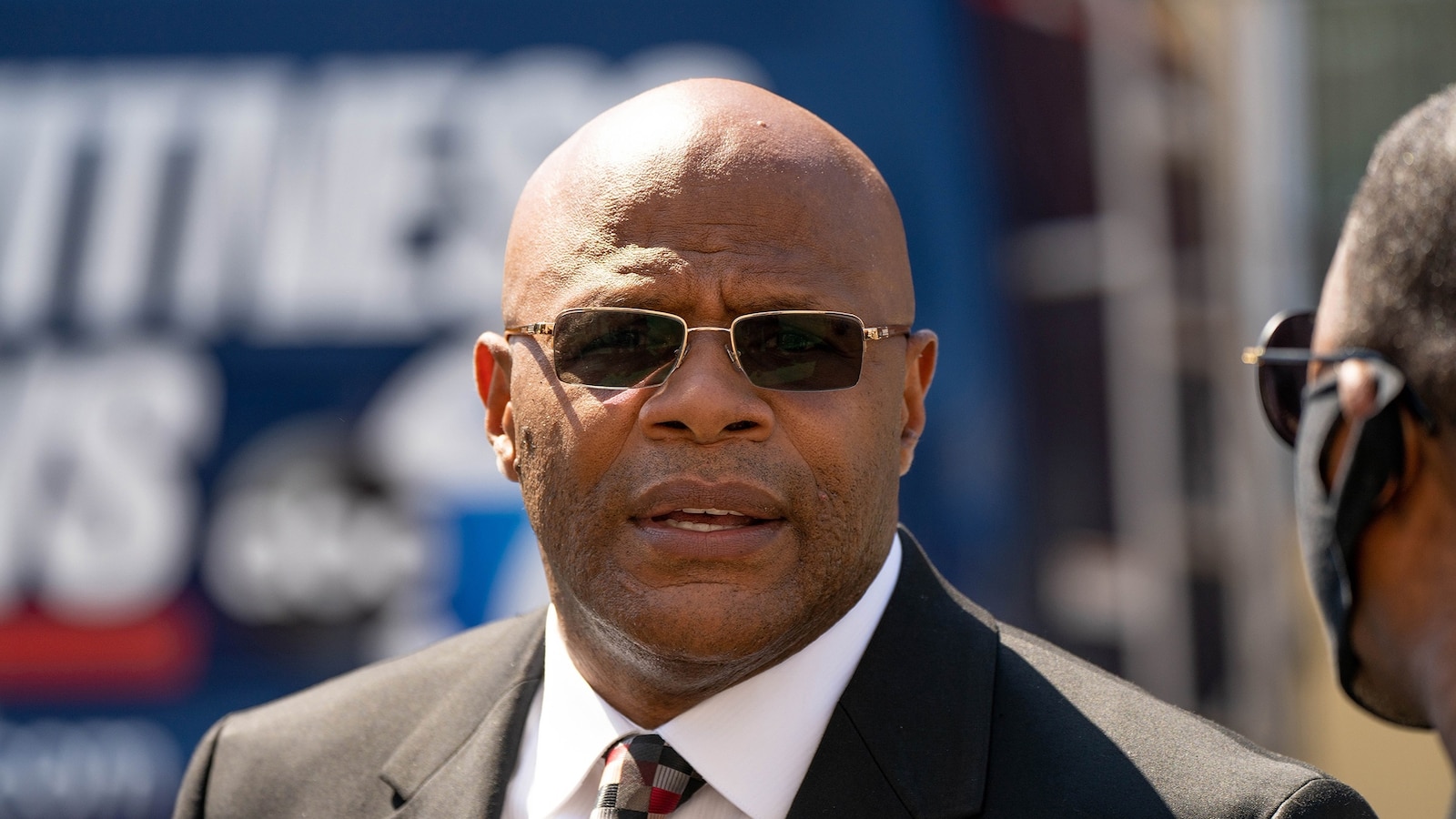
Former City Hall official Anthony (Tony) Herbert was arrested and charged federally with bribery and related offenses for two alleged pay-to-play schemes while serving (2022–2025) as the Mayor’s Community Affairs Unit official and citywide public housing liaison. Prosecutors say Herbert solicited $11,000 from a security company executive to influence public-housing security contracts, accepted $5,000 in kickbacks from a funeral-home director to approve burial assistance, filed false financial-disclosure forms, and is also accused of fraudulently obtaining a $20,000 PPP loan; he pleaded not guilty, received a $50,000 recognizance bond and is due back in court Jan. 30. The case adds to earlier convictions and indictments tied to the Adams administration and raises governance and political-risk considerations for stakeholders in New York municipal affairs, though it is unlikely to be materially market-moving.
Market Structure: This is a localized governance shock that disproportionately hurts small-to-mid sized vendors that rely on NYC public-housing contracts (security contractors, local funeral homes) and could shift share to national incumbents. Expect short-term rebids of municipal service contracts and a modest re-pricing of NYC-specific procurement risk; nationwide security companies (ADT) and national facility-services players stand to win incremental market share if NYC tightens vendor standards over 3–12 months. Municipal credit risk is small but concentrated: NYC/NY state muni spreads could widen ~5–25 bps if probes expand or slow budget processes.
Risk Assessment: Tail risks include (A) a multi-month DOJ sweep expanding to major vendors causing revenue hits of 5–15% for exposed contractors, (B) a pause in NYC municipal issuances pushing near-term muni yields wider by 10–40 bps, and (C) reputational contagion affecting local REITs with public-housing exposure. Immediate impact (days) is reputational and headline-driven; medium-term (weeks–months) sees contract rebidding and legal costs; long-term (quarters) may see procurement reform raising compliance costs 1–3% of revenue for incumbents. Hidden dependency: federal grant audits (HUD) could cascade into funding timing delays.
Trade Implications: Favor underweight/hedge of NYC-specific muni risk and small local contractors; favor large-cap national service firms with diversified revenue. Tactical trades: buy protection on ADT (ADT) via 3-month put spread sizing 2–3% of book if NYC-specific vendor indictments increase, and consider a 1–2% opportunistic long in funeral operator SCI on >5% selloffs within 30 days given inelastic demand. Rotate 10–20% of NYC muni exposure into broad muni ETF (MUB) or IG corporates to avoid local spread shocks.
Contrarian Angles: The market will likely underreact to procurement reforms that raise compliance costs across municipal-service providers — pricing may be delayed by 4–12 weeks; conversely, any sharp selloff in national contractors (ADT, SCI) is likely overdone because revenue concentration in NYC is small relative to national footprints. Historical parallels: prior NYC corruption probes produced transient vendor share shifts but not systemic credit deterioration; thus size hedges to 1–3% of portfolio rather than blanket shorts. Monitor indictment calendar (next key date Jan 30) and HUD audit headlines for catalyst confirmation.
AI-powered research, real-time alerts, and portfolio analytics for institutional investors.
Request DemoOverall Sentiment
moderately negative
Sentiment Score
-0.35
