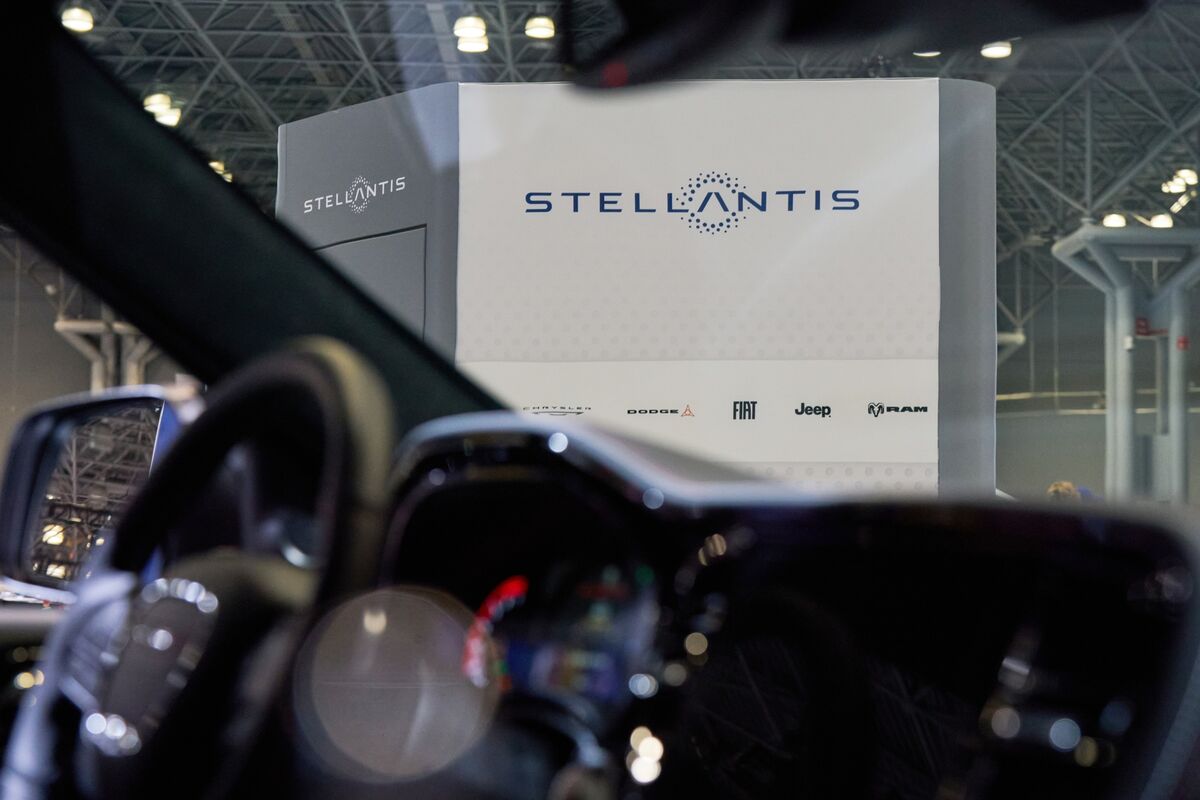
Stellantis plans to start producing a compact electric vehicle, dubbed the E-Car, in Italy in 2028 with Leapmotor as the main partner. The project is aimed at cutting costs and accessing more competitive battery technology, with production slated for the Pomigliano plant. The announcement signals incremental progress in Stellantis’ EV strategy and localization efforts, though it is still a multi-year plan rather than an immediate earnings driver.
This is less about one new model and more about Stellantis admitting that its current small-EV economics are not competitive enough to win the next price war. The strategic upside is that a localized, lower-cost platform could preserve volume in the B/C segment where European OEMs are being squeezed by Chinese cost curves and Tesla’s software benchmark, but the margin math remains ugly until battery sourcing and manufacturing complexity are materially simplified. If Stellantis can actually hit a sub-2028 cost point, the mix shift could stabilize European utilization and reduce the risk of stranded capacity at higher-cost legacy plants.
The second-order winner may be the supplier stack around the project rather than the car itself: local tooling, assembly automation, and battery pack integration could see incremental orders, while higher-cost Tier 1s and premium EV incumbents face more pricing pressure in entry-level segments. For competitors, the most important effect is defensive: this raises the odds that VW, Renault, and select Chinese entrants are forced to match lower price points or sacrifice share in southern Europe. The supply-chain implication is also political; a China-linked technology pathway inside Italy gives Brussels another example of “managed dependence,” which may invite tighter scrutiny on subsidies, content rules, or future sourcing requirements.
The main catalyst horizon is years, not days. Between now and launch, execution risk dominates: battery chemistry choices, labor costs in Italy, and EU trade-policy shifts could all erode the projected cost advantage before the vehicle is in market. The contrarian view is that this may be more of a political-industrial signal than an investable near-term earnings driver, meaning the market may overprice the strategic narrative while underpricing the probability of delay, redesign, or weak launch volumes.
Net-net, the setup is mildly positive for STLA only if investors believe management can convert strategic optionality into repeatable unit economics; otherwise it is a long-duration option on European EV relevance with limited near-term P&L impact. The cleaner trade is to own the optionality around successful cost reduction while fading the market’s tendency to extrapolate a 2028 initiative into 2026 earnings power.
AI-powered research, real-time alerts, and portfolio analytics for institutional investors.
Request DemoOverall Sentiment
mildly positive
Sentiment Score
0.20
Ticker Sentiment
