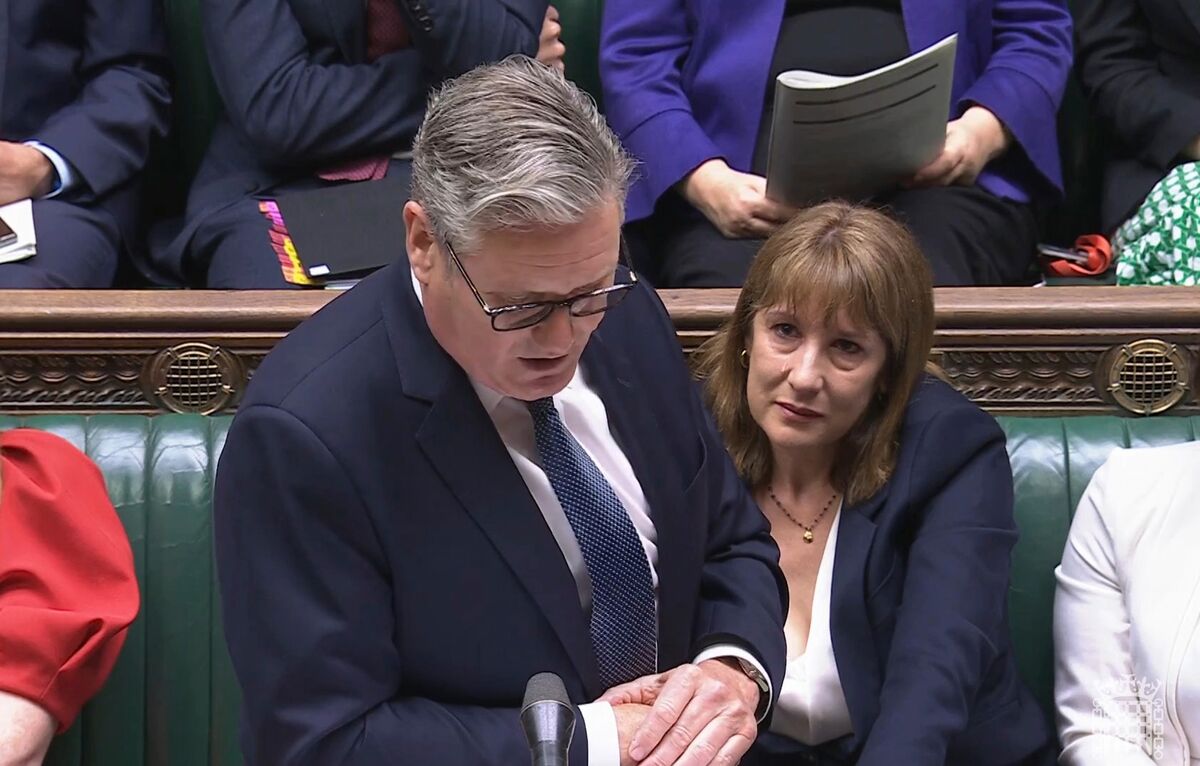
Labour leader Keir Starmer notably failed to fully endorse Chancellor Rachel Reeves's continued tenure through the next general election, avoiding a direct pledge when questioned. This comes after a U-turn on welfare reforms reportedly derailed her fiscal plans, raising questions about the stability of key economic leadership within the Labour party and potential implications for future UK fiscal policy.
A notable fissure in the UK government's economic leadership has emerged, with Prime Minister Keir Starmer declining to publicly affirm that Chancellor Rachel Reeves will remain in her post through the next general election. This development, which follows a significant U-turn on the government's flagship welfare reforms that reportedly derailed the Chancellor's fiscal plans, introduces a material level of political uncertainty. The Prime Minister's evasion on this point suggests potential instability at the highest level of UK economic policymaking. For market participants, the continuity of the Chancellor is a key signal for fiscal predictability. The situation, reflected in the moderately negative sentiment score (-0.5), raises questions about the government's commitment to its stated fiscal strategy and could signal a future pivot, impacting the outlook for UK Gilts, sterling, and domestic equities.
AI-powered research, real-time alerts, and portfolio analytics for institutional investors.
Request DemoOverall Sentiment
moderately negative
Sentiment Score
-0.50
