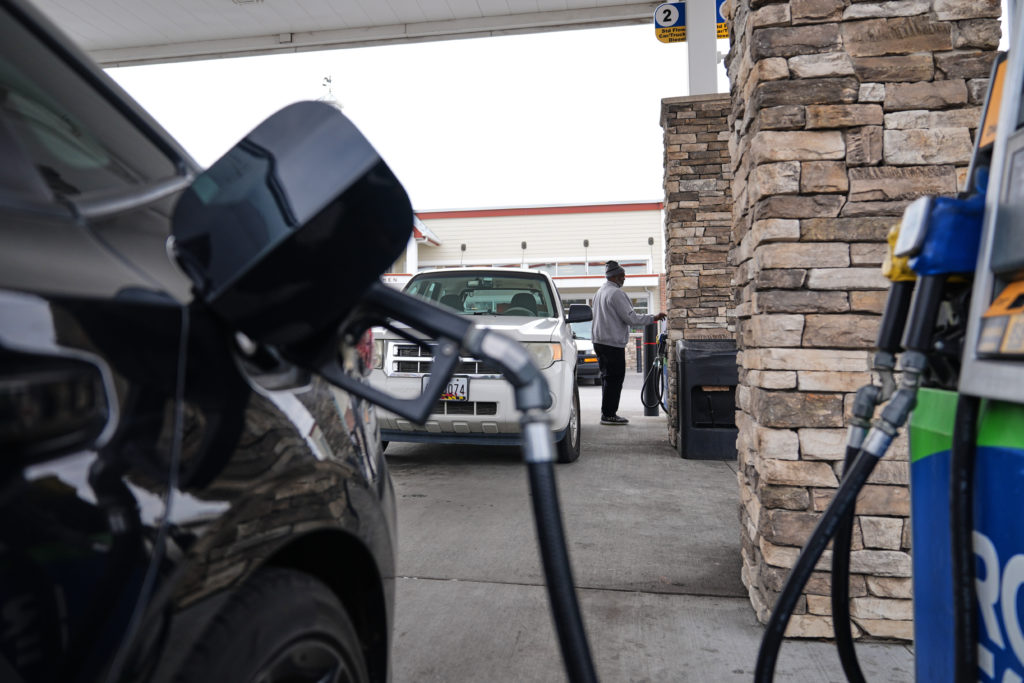
The EPA has temporarily approved widespread sales of E15 (15% ethanol) to try to lower gasoline prices amid the Iran war. The waiver lifts the usual summer prohibition tied to smog concerns but may have limited price relief because E15 is not legal or infrastruture-ready in all states and ethanol supply constraints exist. Analysts warn increased ethanol use could boost corn demand (reducing animal feed availability and potentially lifting grocery costs) and worsen summer ozone and health outcomes, while agriculture groups and some industry players welcome the move as support for farmers and domestic biofuels.
This waiver functions as a demand shock to the corn-to-fuel channel rather than a large, immediate relief valve for retail gasoline prices. Expect a modest retail price impact within days in supply-connected Midwest states where blending infrastructure exists, but the net energy-per-gallon change (E15 ≈ ~1.5 percentage points lower energy vs E10) reduces mileage, muting consumer savings over a typical fill-up and giving refiners less leverage on crack spreads.
Second-order winners are ethanol producers, midstream crop logistics (river barges/shortline rail in the Corn Belt), and farmers who can route more bushels to plants; losers include intensive livestock processors and feed-dependent consumer-protein names as corn prices respond over the next planting and growing cycle. RIN market dynamics will matter: an increase in mandated ethanol displacement typically pressures D6 RIN values and removes a compliance cost for refiners — but that can swing the economics back and forth across weeks as refiners adjust blend strategies.
Regulatory and health externalities create asymmetric political risk. Ozone and warranty/litigation pushback from states or class actions could force rollbacks within months, and any de-escalation of the Iran war would quickly reverse the administrative rationale and limit the policy’s durability. The path for realized benefits runs from immediate (days–weeks for pump price displays) to medium (3–9 months for corn/farm income and RIN re-pricing) and potentially reverses over 6–24 months via litigation or state restrictions.
AI-powered research, real-time alerts, and portfolio analytics for institutional investors.
Overall Sentiment
neutral
Sentiment Score
0.00
