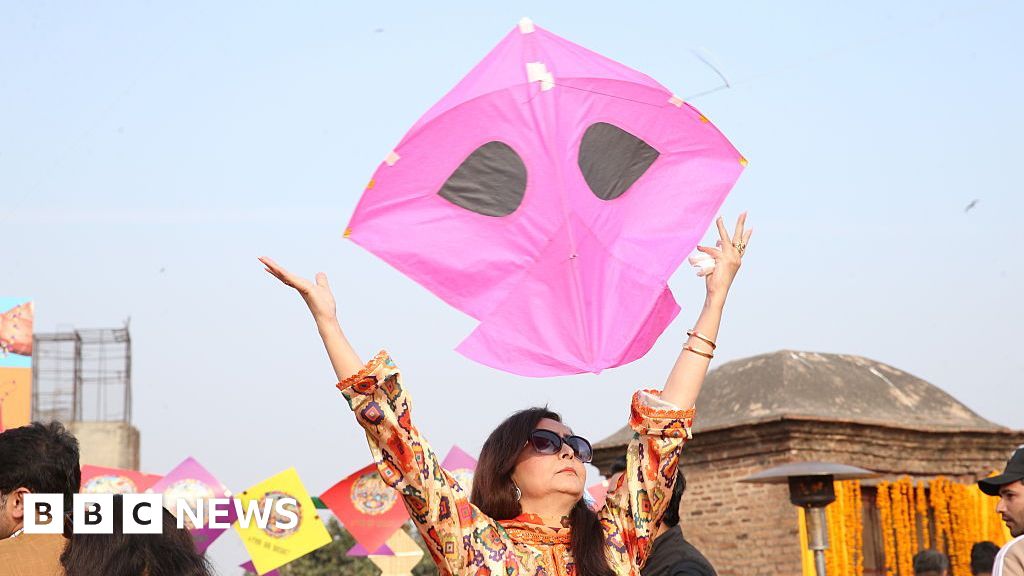
Punjab authorities have reinstated Lahore's Basant kite festival after a 19-year ban, imposing safety-focused regulations including a three-day limit, bans on large kites, seizure of kites sold before Feb 1 and confiscation of more than 100,000 kites and 2,100 rolls of dangerous string. Measures such as drone and CCTV monitoring, nets over streets and protective metal rods for motorcyclists aim to reduce past fatalities; local vendors report strong sales (one seller sold ~7,000 kites) and advocates say the festival revives seasonal revenue for street vendors, restaurants and hotels. The cautious, regulated reopening reduces public-safety risk while restoring a modest local economic boost, but is unlikely to move broader markets.
Market structure: The restarted Basant festival is a concentrated, short-duration demand shock to Lahore’s micro-economy — winners are street vendors, small restaurants, local transport and informal retail (expect a 5–15% revenue bump in old-city footfall over the 3-day window), while public safety costs, insurers and utilities face higher operational strain. For traded markets, expect a modest lift to Pakistan-centric equities (EPI) and discretionary consumption names; pricing power is localized and temporary, not national GDP-changing.
Risk assessment: Tail risks include a swift re‑ban following fatalities or a high-profile accident (low probability but high impact) which would reverse flows within 7–30 days and trigger reputational/regulatory tightening. Near-term (days–weeks) effects are operational (police, seizures) while medium-term (3–12 months) depends on recurrence; hidden dependency: subsidy or enforcement cost shifting to provincial budget could pressure fiscal balances and PKR if repeated.
Trade implications: Direct play is a small, tactical exposure to Pakistan consumer/demand via EPI (2–3% portfolio with 3–6 month horizon) paired with a reduction in EM sovereign duration (reduce EMB exposure by 1–2%) to hedge fiscal tail risk. Use options: buy a 3‑month EPI 5% OTM call spread to limit premium outlay; set strict triggers (exit on any official re‑ban or >3 festival fatalities reported within 30 days).
Contrarian angles: Consensus underestimates regulatory fragility — the upside is front-loaded and concentrated among informal agents; gains are likely mean‑reverting within 2–6 months unless festival expands into paid tourism. Historical parallels (short-lived festival reinstatements) show a 1–2 year transient boost; unintended consequence: heightened enforcement and fines could compress margins for the same vendors, so trade size should be tactical and stop‑loss disciplined.
AI-powered research, real-time alerts, and portfolio analytics for institutional investors.
Request DemoOverall Sentiment
mildly positive
Sentiment Score
0.25
