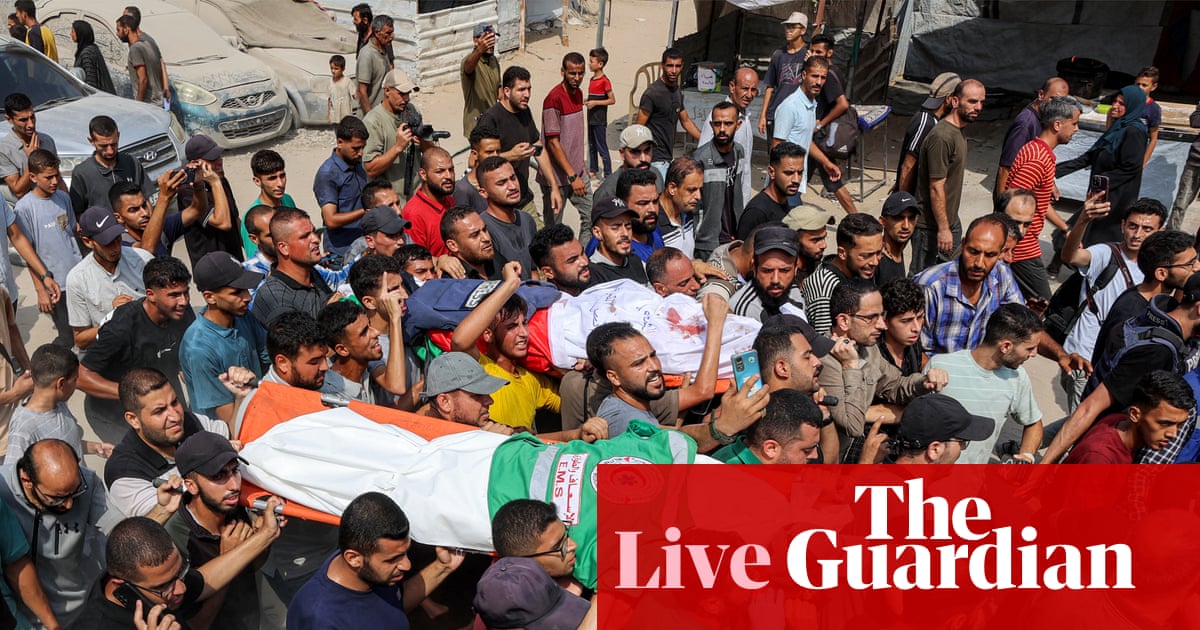
Israel has intensified bombardments in Gaza, resulting in significant casualties, including journalists, despite global condemnation and calls for evidence regarding alleged Hamas affiliations. This escalation occurs amidst mounting international diplomatic pressure, notably Australia's decision to recognize a Palestinian state, citing Prime Minister Netanyahu's perceived 'denial' of humanitarian issues, further isolating Israel on the global stage. The deepening humanitarian crisis is underscored by UN warnings of a 'lost generation' of children due to widespread educational infrastructure damage, while key allies like the U.S. maintain a more cautious stance on immediate Palestinian state recognition, prioritizing humanitarian aid and hostage release.
The conflict in Gaza has entered a phase of heightened intensity, marked by what Palestinian sources describe as the heaviest bombardments in weeks, resulting in at least 55 fatalities over a 24-hour period. This military escalation is occurring amidst significant international condemnation, particularly following the killing of six journalists, which has drawn sharp rebukes from the European Union, the United Nations, and various press freedom organizations. The EU's demand for 'clear evidence' to support Israel's allegation that the journalists were militants underscores a growing friction and skepticism among key international partners. This diplomatic pressure is further crystallized by Australia's decision to formally recognize a Palestinian state, a move aligning it with France, the UK, and Canada, and directly attributed by Prime Minister Albanese to the Israeli government's 'denial' of the humanitarian consequences. This action signals increasing diplomatic isolation for Israel's current leadership and a potential fracturing of consensus among Western allies, as highlighted by former U.S. Secretary Blinken's contrasting view that such recognition is premature. The long-term regional outlook is further darkened by the severe humanitarian crisis, with a UN report indicating 97% of Gaza's educational facilities have been damaged, raising concerns of a 'lost generation' and a protracted, costly reconstruction.
AI-powered research, real-time alerts, and portfolio analytics for institutional investors.
Request DemoOverall Sentiment
strongly negative
Sentiment Score
-0.85
