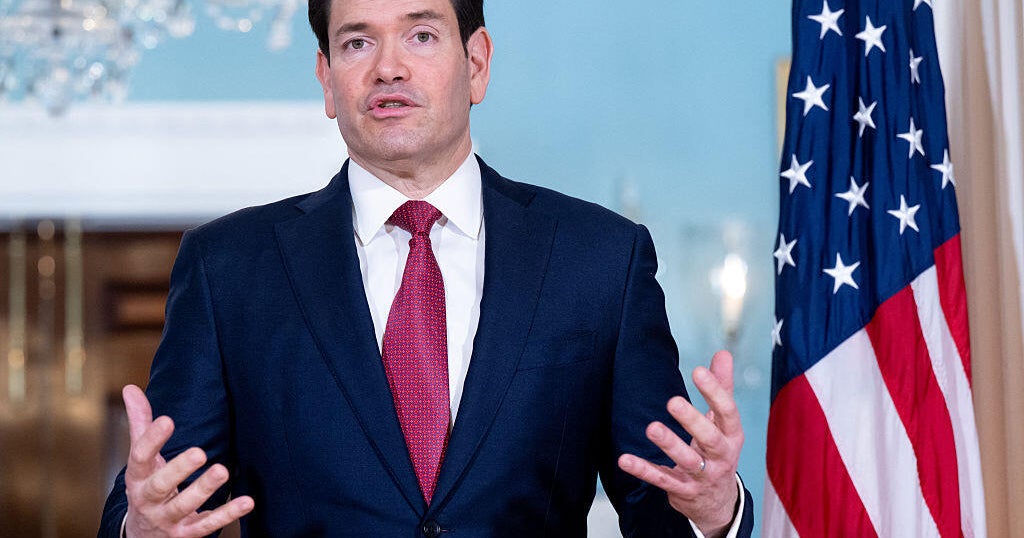
The White House announced high-profile members of executive bodies to oversee Gaza's reconstruction under a Trump-led plan, naming figures including Marco Rubio, Jared Kushner, Tony Blair, Steve Witkoff, Marc Rowan and World Bank President Ajay Banga, with Nickolay Mladenov to supervise day-to-day operations. Palestinian technocratic committee head Ali Shaath said reconstruction and recovery are expected to take about three years with an initial focus on immediate needs such as shelter. Major near-term obstacles highlighted include deploying an international security force and disarming Hamas, keeping significant political and security risks that constrain immediate market or financing activity despite potential roles for private- and multilateral-sector participants.
Market structure: The White House-led reconstruction effort implies multibillion-dollar, multi-year demand for construction materials, heavy equipment, security services and capital markets intermediation—likely a 3-year window of above-normal procurement. Direct winners: global materials suppliers (e.g., VMC, MLM), heavy-equipment OEMs (CAT/DE), defense/security contractors (RTX, LHX) and asset managers with on‑the‑ground access (APO). Losers: regional insurers/reinsurers, local small contractors and tourism/consumer sectors in the near term; pricing power will favor large, internationally compliant firms able to meet tender and bankability requirements.
Risk assessment: Key tail risks are ceasefire collapse, politicized procurement leading to sanctions, or donor funding shortfalls; any of these could wipe out expected cashflows—probability medium, impact high. Time horizons: immediate (days) = headline-driven volatility and FX swings in ILS/oil; short-term (30–180 days) = funding pledges, tender frameworks and bond issuance; long-term (1–3 years) = execution of capital projects and recurring security contracts. Hidden dependencies include World Bank/IFC underwriting, Israeli/US bond issuance capacity and political legitimacy of implementers, which determine real money flows.
Trade implications: Favor credit/intermediation and materials exposure over local construction contractors; prioritize names with balance-sheet capacity and government compliance. Specific plays: overweight APO (Apollo) to capture fee/PE dealflow; overweight VMC/MLM for materials and RTX/LHX for security services using 6–12 month option-enabled exposure to limit downside. Cross-asset: expect modest upward pressure on steel/cement prices and potential widening of regional EM credit spreads until donor pledges are concrete.
Contrarian angles: The market underestimates implementation and reputational risk—contracts may be slow, politicized, and diluted across providers, favoring financial intermediaries (fees) over pure contractors. Historical parallels (Iraq/Balkans) show multi-year slippage and cost overruns; therefore allocate to firms that earn recurring fees or supply fungible commodities rather than bespoke local engineering firms. Unintended consequence: early winners could face regulatory scrutiny; size positions small (1–3% each) and use options for defined loss profiles.
AI-powered research, real-time alerts, and portfolio analytics for institutional investors.
Request DemoOverall Sentiment
neutral
Sentiment Score
-0.05
Ticker Sentiment
