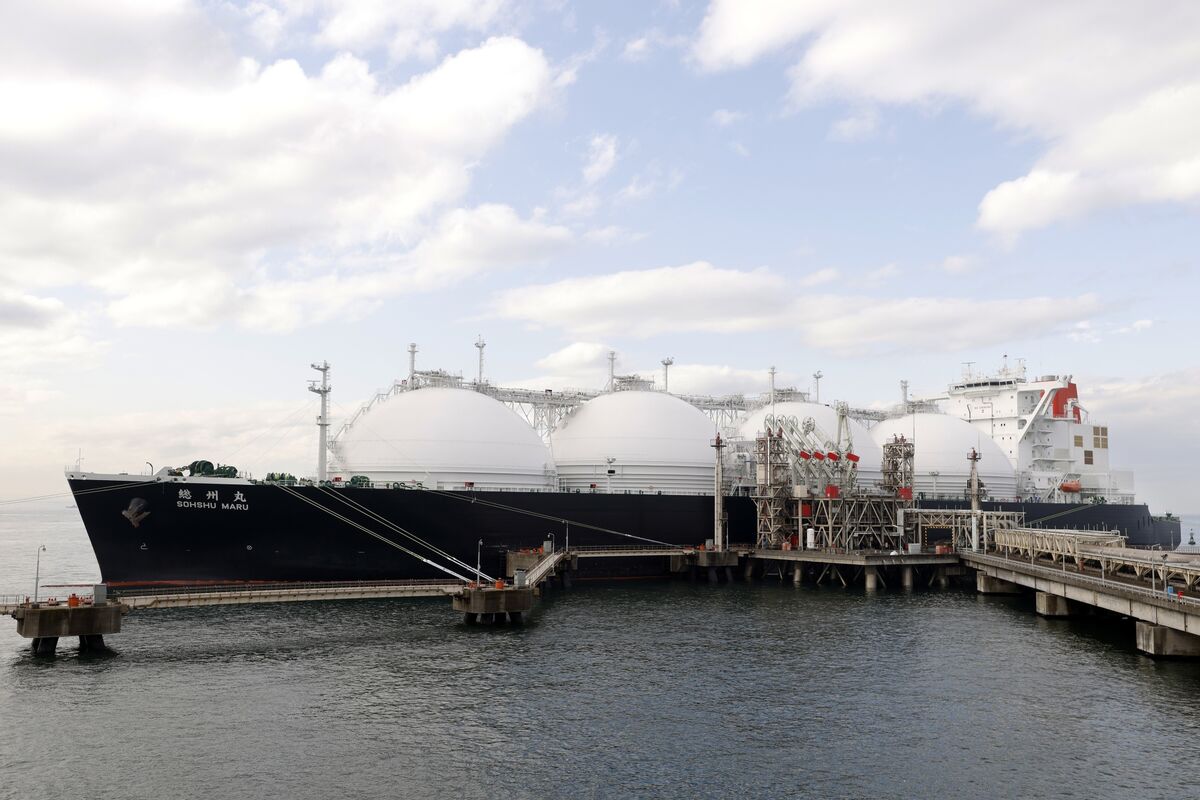
Escalating conflict between Israel and Iran is prompting Asian LNG buyers to reconsider their reliance on Middle Eastern supplies, potentially shifting demand towards alternative sources. This development could impact expansion plans of major Middle Eastern LNG producers like Qatar, Oman, and the UAE, which were banking on Asia's growing demand.
Escalating geopolitical conflict between Israel and Iran is prompting a strategic reconsideration among Asian liquefied natural gas (LNG) buyers, who constitute the world's fastest-growing market for the fuel. These buyers were previously anticipated to significantly increase LNG imports from major Middle Eastern producers like Qatar, Oman, and the United Arab Emirates, underpinning substantial expansion plans in these producer nations. The current instability, however, is fostering an environment of uncertainty, reflected in a moderately negative sentiment and a market impact score of 0.65. This situation is compelling Asian importers to explore alternative LNG sources or other energy options to mitigate supply risks, potentially altering established LNG trade dynamics and challenging the growth trajectories of Middle Eastern suppliers reliant on Asian demand.
AI-powered research, real-time alerts, and portfolio analytics for institutional investors.
Request DemoOverall Sentiment
moderately negative
Sentiment Score
-0.50
