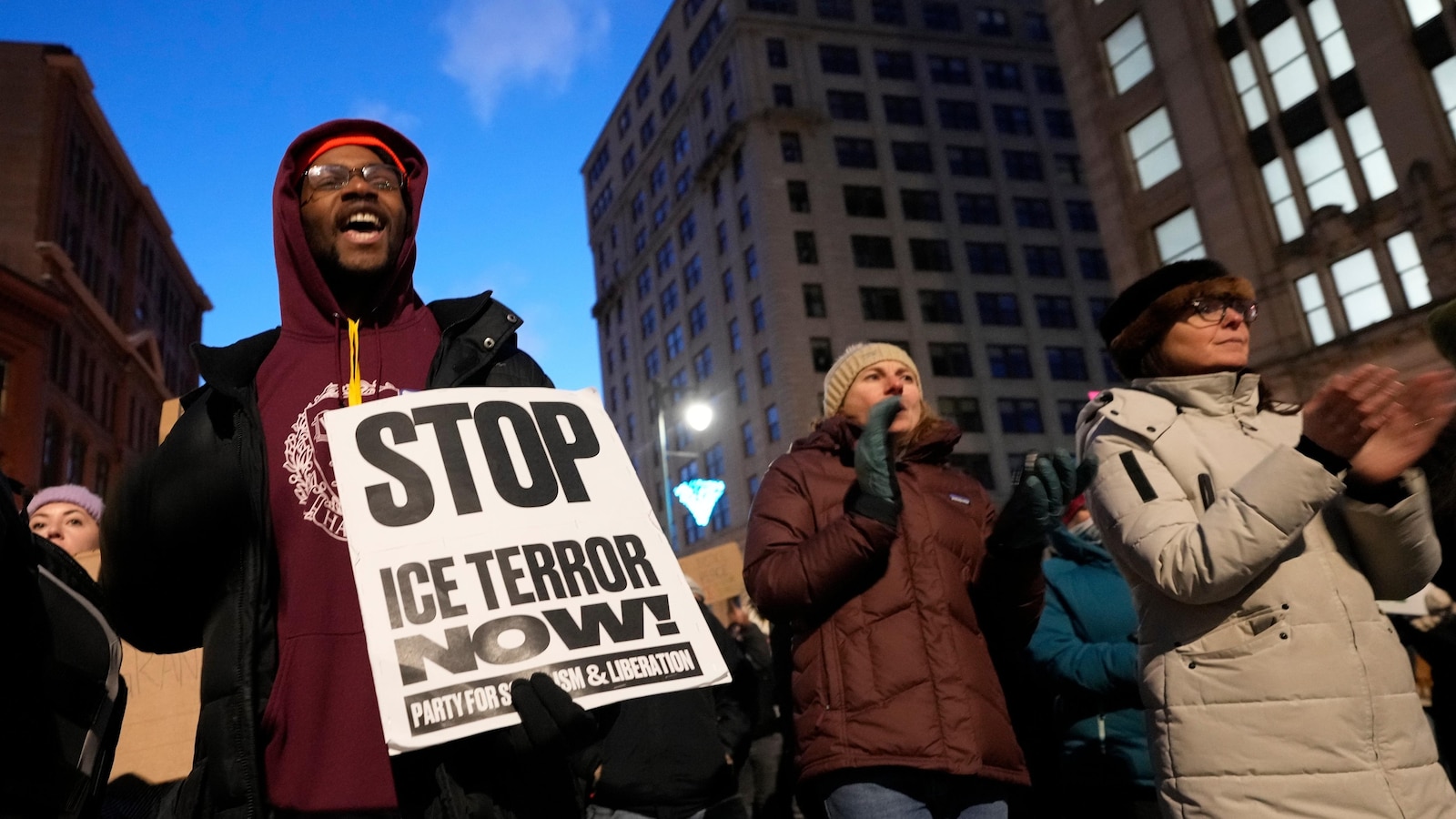
Federal Immigration and Customs Enforcement reported detaining more than 100 people in Maine during a targeted surge called “Operation Catch of the Day,” part of an effort affecting roughly 1,400 immigrants in a state of about 1.4 million residents (≈4% foreign-born). Court records show a mixed picture: some detainees have serious violent convictions (e.g., Dominic Ali), others have dismissed charges or unresolved immigration cases (e.g., Elmara Correia), and at least one previously vacated removal order (Ambessa Berhe); attorneys have filed multiple habeas petitions challenging transfers and detentions. The enforcement action has prompted local political and legal pushback, raising litigation and reputational risks for federal enforcement operations but presents minimal direct market or macroeconomic impact.
Market structure: Federal enforcement surges favor providers of detention capacity and related services (publicly traded: GEO, CXW) and short-term demand for transport/monitoring contractors; local employers in Maine’s seafood, agriculture and construction sectors face labor disruption risk that can depress near-term revenues by low-single-digits in concentrated operations. Pricing power for detention operators is a function of utilization; a 3–5% rise in average daily detainee population would likely lift revenue 2–6% over 3–12 months for capacity-levered operators.
Risk assessment: Tail risks are legal injunctions, state-level pushback, or Congressional limits on detention contracting that could remove demand quickly — a scenario that could cut forward EBITDA by >20% for exposed contractors. Immediate (days) catalysts are habeas rulings and transfer injunctions; short-term (weeks–months) drivers are DHS budget language and ICE operational cadence; long-term (quarters–years) outcomes depend on litigation precedent and federal appropriations.
Trade implications: Tactical, small-weight exposure to GEO/CXW via defined-risk option structures (3–6 month call spreads) captures upside from elevated utilization while capping losses; hedge with buy-writes or protective puts if headlines turn negative. Rotate modest capital away from locally concentrated consumer names in Maine (private/SMB risk) into public security/detention plays or short-event hedges when litigation picks up.
Contrarian angle: The market consensus underestimates the legal/regulatory reversion probability — past enforcement surges have been followed by court interventions within 1–6 months. If DHS detention counts fall >5% QoQ or major injunctions are issued, downside for GEO/CXW is asymmetric (20–40%); conversely, lack of legal relief and confirmed budget increases would validate a 20–30% rerating higher within 6–12 months.
AI-powered research, real-time alerts, and portfolio analytics for institutional investors.
Request DemoOverall Sentiment
neutral
Sentiment Score
0.00
