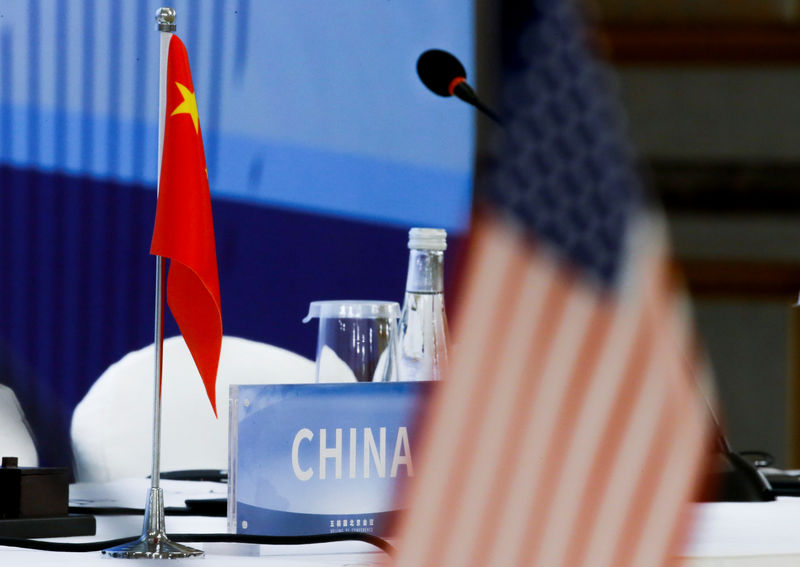
Global markets turned risk-off as the KOSPI tumbled 6.1%, S&P 500 futures fell 0.8%, and Nasdaq 100 futures dropped about 1.1% amid a sharp tech selloff and rising geopolitical तनाव around the Strait of Hormuz. Oil climbed about 3%, with Brent at $108.75 and WTI at $104.42, while U.S. yields moved higher, including the 2-year above 4.05% and the 10-year near 4.52%. The Trump-Xi summit produced limited policy detail, but investors will now watch U.S. industrial production and the Empire State survey for further macro signals.
The immediate winners are not the obvious energy names alone, but the entire inflation-beta complex: refiners, tanker exposure, defense, and select value factor baskets should outperform growth as higher crude feeds through into rate expectations. The bigger second-order effect is that this kind of oil shock is a tax on every equity multiple at once — it raises discount rates, squeezes margins, and forces systematic de-risking in crowded tech/semis trades that were already extended. Semis look vulnerable because they are the market’s highest-duration cyclical: when rates rise and risk appetite falls, they get hit twice. The South Korea-led selloff is important because it signals a global unwind in AI/memory leadership rather than a single-stock story; that matters for suppliers, equipment names, and adjacent software hardware beneficiaries that have been trading on capex optimism. MU’s move looks modest versus the underlying setup — if yields hold near current levels, semis could underperform the Nasdaq by another 5-8% over the next 2-4 weeks even without a fresh fundamental shock. The bond move is the underappreciated signal. Weak duration demand alongside firmer inflation prints creates a bad mix for equities: if the market starts pricing “higher for longer” again, the multiple compression can persist for months even if geopolitics calm down. The contrarian angle is that much of the immediate oil response may be headline-driven, but the real medium-term risk is demand destruction; if crude stays above roughly $100 for several weeks, expect margin pressure in transport, chemicals, and consumer discretionary to emerge faster than consensus is pricing.
AI-powered research, real-time alerts, and portfolio analytics for institutional investors.
Overall Sentiment
strongly negative
Sentiment Score
-0.55
Ticker Sentiment
