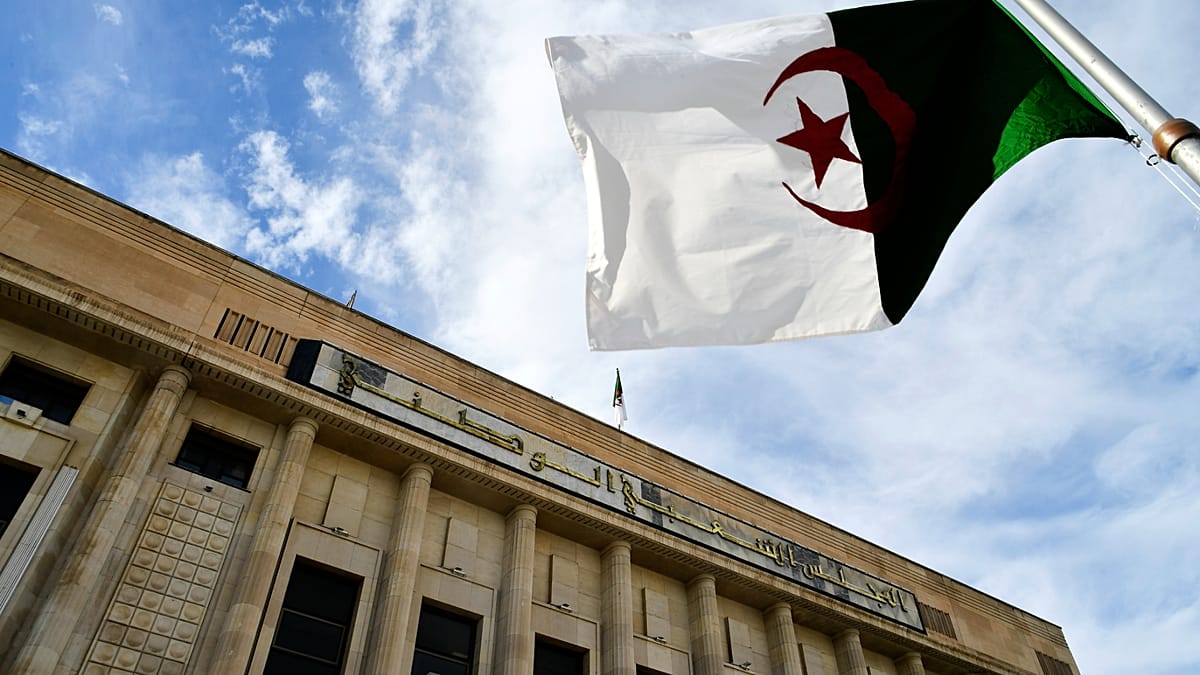
Algeria's parliament unanimously adopted a 27-article law declaring France's 1830-1962 colonisation a state crime, demanding an official apology and asserting a right to full compensation for nuclear testing, extrajudicial killings, torture and resource plundering. Paris condemned the move as a "manifestly hostile initiative" amid sharply deteriorated Franco‑Algerian relations since mid-2024 after France's shift on Western Sahara and a series of diplomatic expulsions and arrests; President Macron has previously called colonisation a "crime against humanity" but declined a formal apology. The law formalizes Algerian demands and further raises political risk around bilateral security, migration cooperation and investor exposure to North African geopolitical tensions; casualty estimates cited range from Algeria's claim of 1.5 million dead in the 1954–62 war to French historians' estimate of ~500,000 (including ~400,000 Algerians).
Market structure: Geopolitical escalation increases near-term bargaining power for Algerian state over pipeline gas and raises optionality premium on spot LNG. Winners: global LNG sellers and shipping (e.g., GLNG, GLOG) and integrated oil majors with flexible cargoes (TTE, ENGI) who can capture price spikes; losers: French banks and corporates with large Algerian receivables or on‑the‑ground assets. Cross-asset: expect upward pressure on TTF/European power, modest oil upside (~$2–6/bbl shock), wider French bank CDS and a risk‑off bid into bunds and USD.
Risk assessment: Tail risks include a partial pipeline cut or unilateral contract renegotiation and punitive compensation claims against French firms — low probability but high impact on European gas prices and bilateral investment flows. Time horizons: immediate (days) for diplomatic tit‑for‑tat; short term (1–6 months) for spot gas/option volatility; long term (1–3 years) for legal/sovereign claim litigation and capex rerouting. Hidden dependencies: France’s security cooperation in Sahel and migration agreements are levers Algeria can use that would indirectly affect energy logistics and insurance costs. Catalysts: formal apology, additional expulsions, pipeline flow notices, or EU emergency gas measures.
Trade implications: Direct: establish 2–3% long in Golar LNG (GLNG) and 1.5–2% long in TotalEnergies (TTE) as asymmetric hedges to rising gas prices over 3–6 months. Hedge/short: 1–2% short positions in Société Générale (GLE.PA) or BNP Paribas (BNP.PA) to capture CDS widening risk; pair: long ENGI.PA 2% / short BNP.PA 1.5% to play commodity upside vs bank stress. Options: buy 3‑month TTF-style call exposure (or European gas ETF calls) 20–30% OTM sized 0.5–1% portfolio risk to monetize volatility spikes. Entry: deploy within 5–10 trading days; trim/exit if diplomatic de‑escalation confirmed or pipeline flows unchanged after 30 days.
Contrarian angles: Consensus may overstate sustained supply disruption — Algeria depends on hydrocarbon export revenue, lowering incentive for prolonged cuts; historical parallels (short diplomatic crises that don’t interrupt flows) argue for buying dip after a 2–5% domestic equity move. Reaction may be overdone in financials; consider mean‑reversion trades: buy CAC40 futures 2–3% on a 4%+ fall absent concrete flow disruptions. Unintended consequences: EU accelerates long‑term LNG contracts (benefitting Qatar/US) and insurance premia rise, creating multi‑quarter winners outside French equity exposure.
AI-powered research, real-time alerts, and portfolio analytics for institutional investors.
Request DemoOverall Sentiment
moderately negative
Sentiment Score
-0.40
