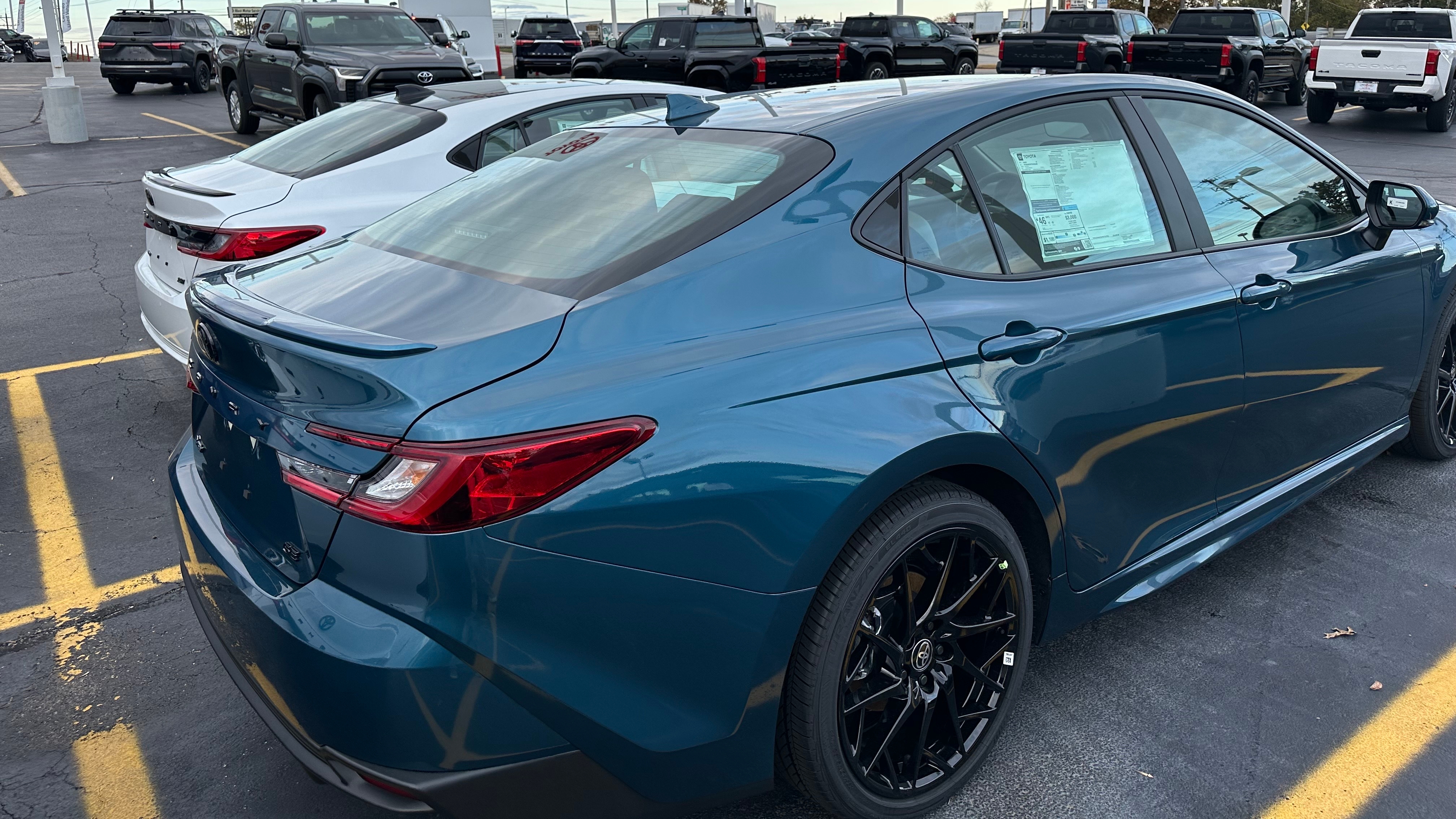
Jones Junction, a Maryland dealership group operating 12 rooftops representing Toyota, Hyundai and Subaru, is training AI systems to handle service and sales appointment scheduling. The move is aimed at streamlining bookings and improving operational efficiency—potentially lowering staffing needs and increasing service throughput—though the initiative is localized and unlikely to materially move public-market valuations.
Market structure: Dealer groups and dealer-management/CRM vendors are the primary beneficiaries — expect stronger service-throughput and lower front-desk labor costs that can drive 100–250bps of incremental EBIT margin in service departments over 12–18 months. Winners: large, digitally savvy public retailers (AutoNation AN, Lithia LAD, Penske PAG) and AI/cloud vendors (MSFT, NVDA for infra) that enable deployments; losers: outsourced call-center/appointment vendors and smaller dealers with legacy DMS integrations. The move tightens competitive differentiation around customer experience and could force pricing power into scale operators who can amortize AI investment across larger rooftops.
Risk assessment: Tail risks include regulatory actions on consumer data/consent (FTC/state AG enforcement) and operational failures that reduce booking conversions, which could swing ROI to negative within 6–12 months. Near-term (days/weeks) impact is limited to PR and pilot metrics; short-term (3–12 months) will show KPI lift (appointment fill rate, show-rate); long-term (1–3 years) impacts include labor mix shifts and potential wage pushback or litigation. Hidden dependencies: integration with dealer DMS, OEM parts systems and customer data consent flows — failures here blunt the business case.
Trade implications: Direct plays favor long positions in efficient national retailers (AN, LAD) sized 1–2% each with 12–18 month horizons and optionality via LEAP call spreads to cap capital. Pair trades: long high-tech adopters (LAD) / short smaller regional dealers (SAH) to capture differential margin expansion over 6–12 months. Options: buy 9–15 month call spreads on AN/LAD or buy NVDA exposure for convexity to enterprise AI spend; size to risk budget and cap drawdown with defined-width spreads.
Contrarian angles: Consensus underestimates integration friction and consumer tolerance for AI-only scheduling — disappointed pilots could cause a temporary derating in dealer multiples (20–30% downside in small-caps). Conversely, market may be underpricing recurring service-margin upside; historical parallels include CRM automation where conversion uplift was modest (100–200bps) but durable, not explosive. Unintended consequences include higher cybersecurity/privacy liabilities and potential OEM constraints on appointment routing that could limit dealer capture rates.
AI-powered research, real-time alerts, and portfolio analytics for institutional investors.
Request DemoOverall Sentiment
mildly positive
Sentiment Score
0.25
