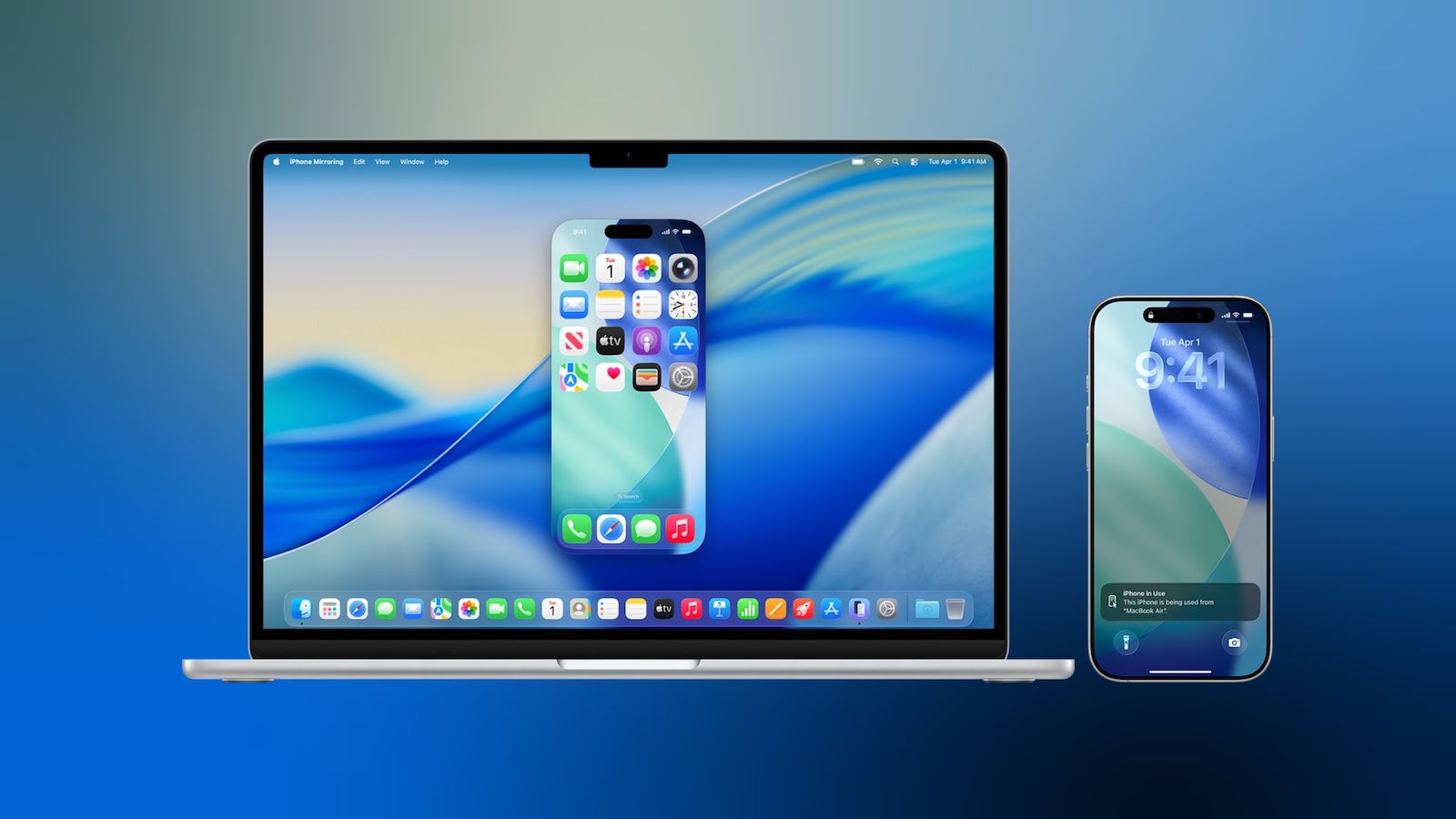
iOS and iPadOS 26.3 Beta 3 currently disables key Continuity features — including iPhone Mirroring, AirPlay mirroring to Apple TV 4K, wireless Continuity Camera, and Sidecar — on iPhone 17/17 Pro/17 Pro Max, iPhone Air and iPad Pro (M5). Apple has not disclosed a cause and plans to address the issues in upcoming betas, pushing the expected public x.3 release from the usual late-January window into early February. The problem presents limited near-term financial risk but could modestly affect user experience and product perception if not resolved promptly.
Market structure: The beta bug is a product-experience issue, not a supply-chain shock, so winners are competitors’ marketing teams (GOOG, GOOGL) and short-term volatility traders; losers are brand/UX sentiment and any nascent accessory makers relying on Continuity (minor revenue risk). Expect a headline-driven knee-jerk AAPL move of 2–5% intraday around public-release timing (next 7–14 days) rather than a sustained market-share shift, with pricing power intact absent repeated quality failures.
Risk assessment: Tail risks include a broader software-quality narrative leading to a 10–15% repricing, regulator inquiry on update controls, or accelerated switching in a niche (pro users) — low probability but high impact over 3–12 months. Immediate horizon (days): sentiment/IV spikes; short-term (weeks–months): watch downloads/RC timing; long-term (quarters): material only if continuity failures persist across releases or impact services ARPU.
Trade implications: Tactical options and short-duration hedges are the efficient path — expect AAPL implied vol to rise 10–30% if coverage amplifies the bug. Supply/demand of components unaffected; avoid reweighting suppliers. Cross-asset: USD/bonds minimal impact; small increase in tech-sector hedging flows could lift S&P put flows briefly.
Contrarian angle: The market will likely overreact to a beta-only issue — if AAPL drops >4% on the news within 10 trading days, that creates a buying opportunity for a 3–9 month rebound tied to product cadence and services resilience. Conversely, a muted stock reaction with sustained IV >20% above 30-day avg could make premium-selling strategies attractive.
AI-powered research, real-time alerts, and portfolio analytics for institutional investors.
Request DemoOverall Sentiment
neutral
Sentiment Score
-0.10
Ticker Sentiment
