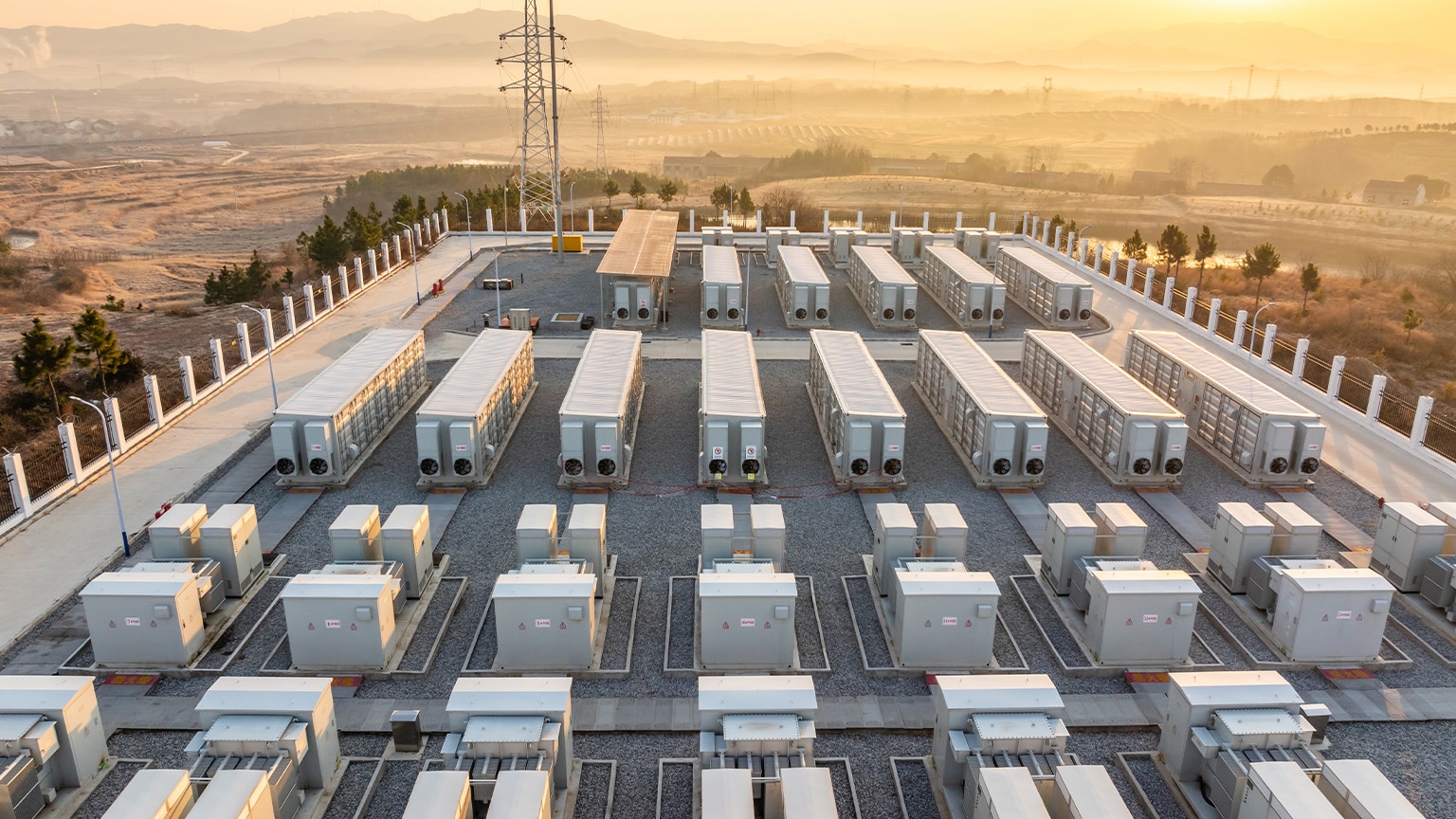
The US power grid faces increasing strain from renewable integration and surging data center demand, leading to a significant decline in Battery Energy Storage System (BESS) revenues, with CAISO experiencing a 32% drop and ERCOT a 71% decrease since 2023. This downturn is primarily driven by "battery cannibalization" and plummeting ancillary service prices. To navigate these evolving market dynamics, BESS operators and investors must adopt dynamic, data-driven strategies, leveraging advanced analytics and AI to optimize real-time decisions, capitalize on nodal price differentials, and strategically diversify portfolios across BESS, solar, and wind to enhance profitability and manage risk in a competitive environment.
The US power grid is experiencing significant strain due to the dual pressures of integrating intermittent renewable energy sources and meeting surging demand from data centers. This instability has directly impacted Battery Energy Storage System (BESS) operators, evidenced by substantial revenue declines since 2023, including a 32% drop in CAISO and a more severe 71% decrease in ERCOT. A key contributor to this downturn is the plummeting of ancillary service prices, with ERCOT seeing a dramatic fall from $21/MWh to $3/MWh.
A primary factor driving this revenue erosion is "battery cannibalization," where the increasing deployment of BESS capacity reduces peak hour electricity prices, accounting for at least 30% of the observed revenue decline. Compounding these challenges are regulatory uncertainties and persistent supply chain disruptions, which hinder essential grid upgrades and the rollout of critical new generation projects. This necessitates a strategic shift from traditional, static trading approaches for BESS operators.
Despite these headwinds, significant opportunities exist for operators employing dynamic, data-driven strategies, with top performers achieving substantially higher revenues than average. Leveraging advanced analytics and AI for real-time decision-making, alongside strategic navigation of nodal price differentials, can unlock additional revenue streams of 20-30%. Furthermore, portfolio diversification across BESS, solar, and wind assets is crucial for optimizing risk-return profiles and building resilience in the evolving energy market, supported by policy measures like the Inflation Reduction Act's investment tax credits.
AI-powered research, real-time alerts, and portfolio analytics for institutional investors.
Request DemoOverall Sentiment
mixed
Sentiment Score
0.15
Ticker Sentiment
