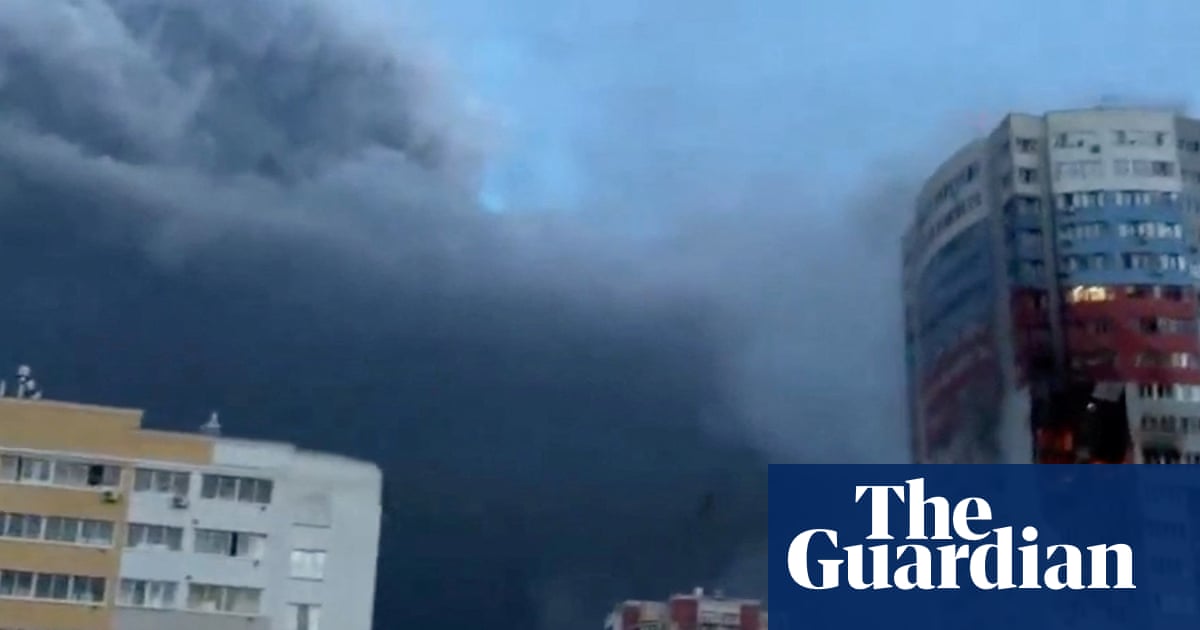
Russia and Ukraine intensified long-range attacks, including a Ukrainian strike on a Ryazan oil refinery that triggered a large fire and a Russian strike on Kyiv that killed 24 people, including three children. A Russian court also ordered Euroclear to pay about $250bn in damages over frozen Russian assets, while WHO warned Ukraine’s mental health crisis is worsening and may have generational effects. The violence and retaliation risk add further pressure to energy infrastructure, regional security, and diplomatic efforts to end the war.
The immediate market read is not “peace risk” but escalation asymmetry: both sides are now incentivized to target hard-to-replace energy and logistics nodes rather than maneuver forces. That raises the probability of intermittent Russian refinery outages, tighter diesel balances, and more volatile European product imports over the next 4-12 weeks, even if headline crude barely moves. The second-order effect is that refined-product spreads may outperform flat price, especially if Russian maintenance, insurance, or transport frictions intensify. The Euroclear ruling is more important as a template than as a collectible judgment. It reinforces a sovereign-asset tit-for-tat regime that increases the optionality of Western capital controls, counterclaims, and forced localization risk; that should widen the discount applied to Russian-exposed financial plumbing and anyone with settlement/custody dependency in the region. In parallel, the attack on agricultural and port infrastructure adds a slow-burn risk premium to Black Sea logistics and global food inflation, but only if strikes start constraining export cadence rather than just disrupting headlines. The contrarian view is that markets may be overpricing diplomatic fragility and underpricing the ability of Ukraine to force marginal fuel scarcity inside Russia without broad macro spillover. If refinery strikes are frequent but contained, the cleanest beneficiaries are not crude producers but Western refiners and shipping insurers, while broad energy beta could fade once traders realize supply losses are in products, not barrels. The biggest tail risk is a policy shock: any direct move by Western governments on frozen Russian assets would be a much bigger market catalyst than battlefield news, because it would escalate sanctions architecture and legal retaliation for months, not days.
AI-powered research, real-time alerts, and portfolio analytics for institutional investors.
Request DemoOverall Sentiment
strongly negative
Sentiment Score
-0.65
