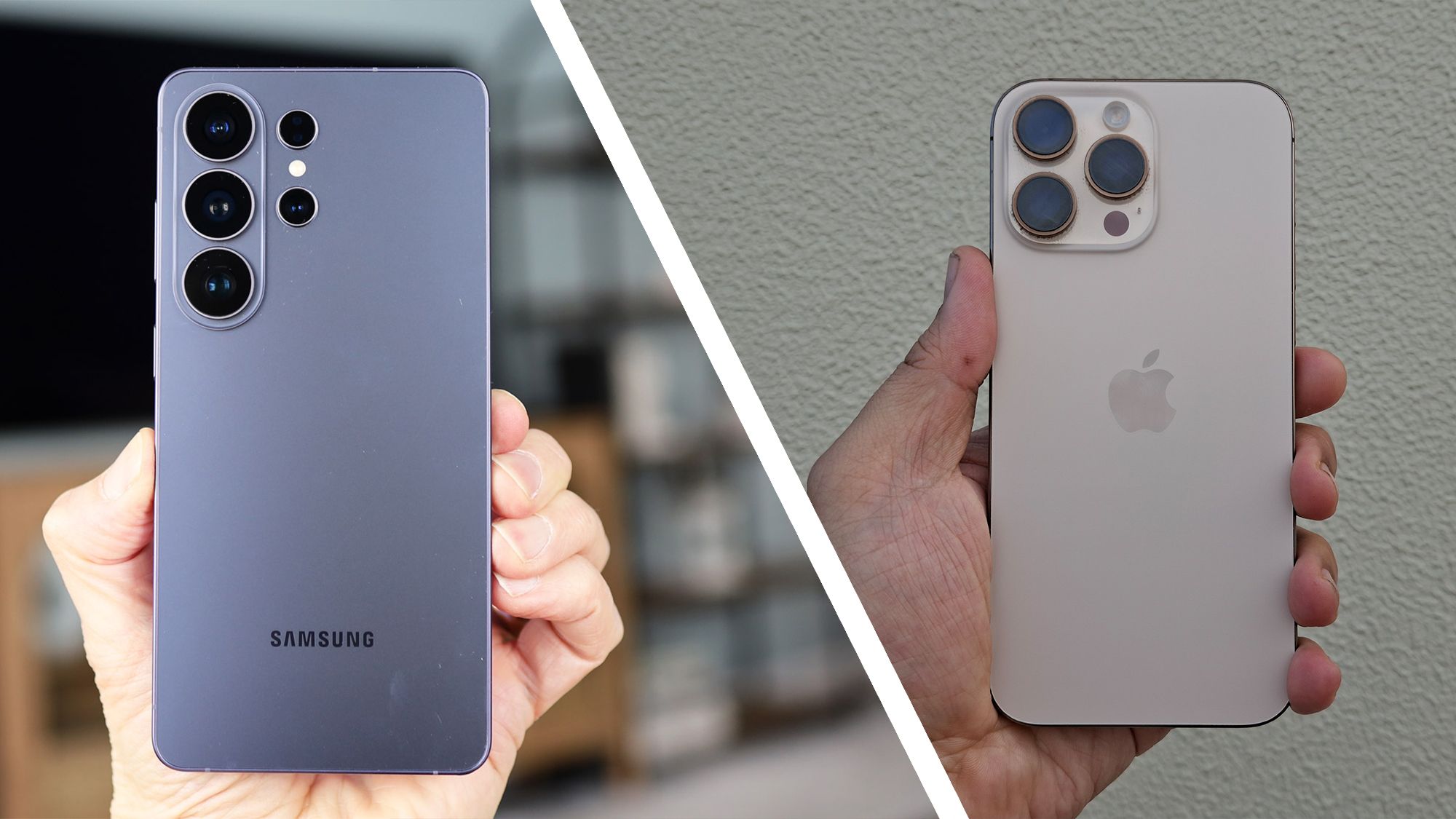
Samsung launched the Galaxy S26 Ultra in late February; the reviewer found several AI features (Super Steady, AI call screening, Photo Assist, Now widgets) to be largely novelty rather than materially improving user experience. Criticisms focused on a larger camera bump that increases wobble, the switch back to aluminum from titanium, magnet/accessory limitations, and weaker ecosystem integration compared with the reviewer’s iPhone 16 Pro Max. The reviewer will stick with iOS and Apple devices for now but leaves open the possibility of reconsidering if Samsung delivers significant software improvements or future flagships.
Samsung’s aggressive pivot to “AI phone” features that read as marginally incremental versus genuinely disruptive risks elongating the Android replacement cycle rather than accelerating it. If even a subset of buyers (mid-single-digit percent of annual flagship purchasers) chooses to defer upgrades because AI features are perceived as novelties, OEM revenue and component demand could show a measurable deceleration within the next 6–12 months, compressing margins for suppliers with high fixed-cost exposure.
Apple’s real advantage isn’t one glossy feature; it’s the attachment economy and software/services flywheel that converts a hardware sale into recurring revenue. That creates optionality: even if hardware unit growth stalls, incremental ARPU from payments, subscriptions and accessory ecosystems can sustain FCF growth and provide downside protection versus hardware-focused competitors over 12–24 months.
Google sits in the middle — its cloud and generative AI stack are the default scalability route for OEMs that can’t productize useful on-device AI. Under a scenario where OEM implementations disappoint, expect increased backend monetization for GOOGL/GOOG as manufacturers license cloud inference, model hosting and search-layer services; that’s a 12–24 month revenue lever but comes with regulatory and ad demand tail risks.
Second-order supply effects to watch: sustained substitution away from exotic chassis materials reduces demand for specialty metal suppliers and shifts margin toward commodity aluminum vendors; accessory revenue capture (magnetic mounts, wallets, ecosystem peripherals) becomes a larger differentiator than a single flagship cycle. Near-term catalysts to monitor: Samsung software updates (60–120d), handset replacement-rate surveys (quarterly), and iPhone refresh cadence (6–12 months).
AI-powered research, real-time alerts, and portfolio analytics for institutional investors.
Request DemoOverall Sentiment
mildly negative
Sentiment Score
-0.15
Ticker Sentiment
