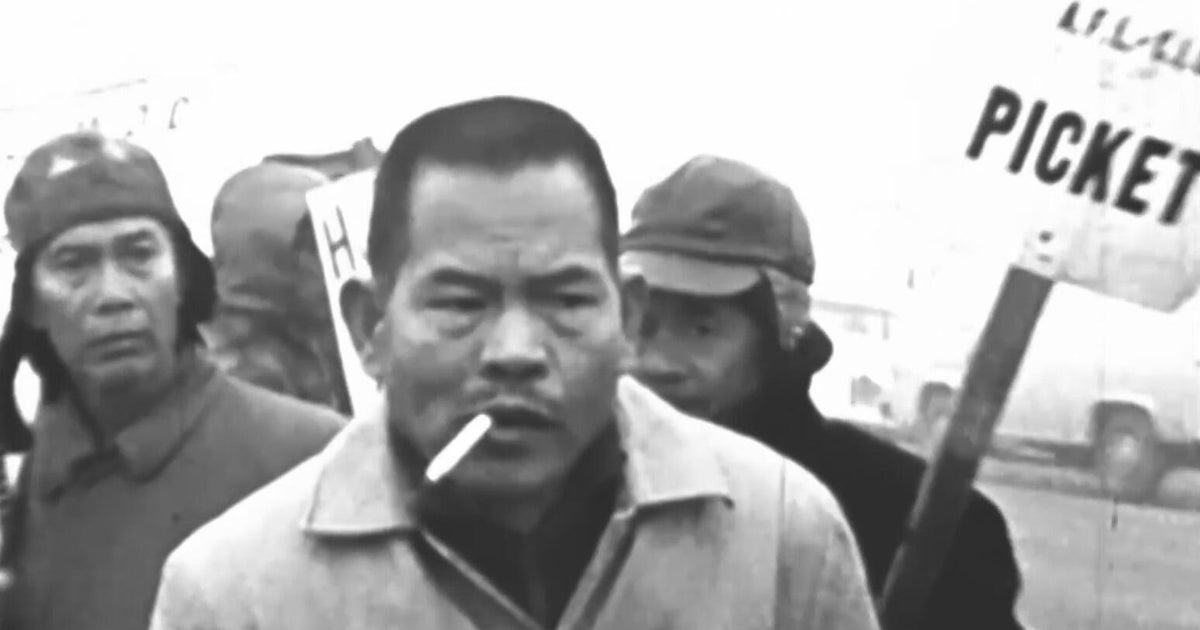
800 Filipino farmworkers launched the 1965 Delano grape strike under Larry Itliong, who later allied with Cesar Chavez to form the United Farmworkers. In response to recent sexual abuse allegations against Chavez, March 31's 'Cesar Chavez Day' will be renamed 'Farmworkers Day' and there are active efforts to rename streets, schools and parks that bear Chavez's name. The piece highlights calls to correct historical attribution toward Filipino organizers like Itliong (one middle school in Union City and a park in Delano already honor him) and presents reputational and community-recognition implications with negligible direct market impact.
Cultural reckonings like this accelerate two predictable market mechanics: concentrated, localized budget reallocation (signage, legal reviews, rebranding) and a politicized supplier preference shift toward larger, compliance-minded vendors. Expect a modest near-term boost to commercial sign/print contractors and local legal/pr consulting spend in California and other agriculturally concentrated states — the effect will be dispersed across many small contracts but persistent for 6–18 months as municipalities and school districts complete audits and renaming initiatives.
More consequential over 12–36 months is the amplification of labor/ESG scrutiny on agricultural supply chains. Heightened activist attention and potential local ordinances increase transitory organizing tailwinds and raise the marginal cost of labor-intensive produce — which accelerates capex cycles toward mechanization and consolidation among growers who can finance automation. That dynamic disproportionately benefits manufacturers and distributors of agricultural machinery and automation, while pressuring small, family-run growers and spot-market dependent produce sellers.
The consensus risk is that this is purely symbolic; the countervailing view is it is a catalyst for durable policy and procurement changes in key states. Track upcoming municipal budgets, school board agendas, and state-level labor hearings over the next 3–9 months as leading indicators. A reversal would be a rapid legal or political pushback in swing districts that defangs renaming momentum, which would reallocate attention away from supply-chain reforms and slow automation investment decisions.
AI-powered research, real-time alerts, and portfolio analytics for institutional investors.
Request DemoOverall Sentiment
neutral
Sentiment Score
0.00
